




Pan African Diaspora: Exile Activism Amid Continental Turmoil
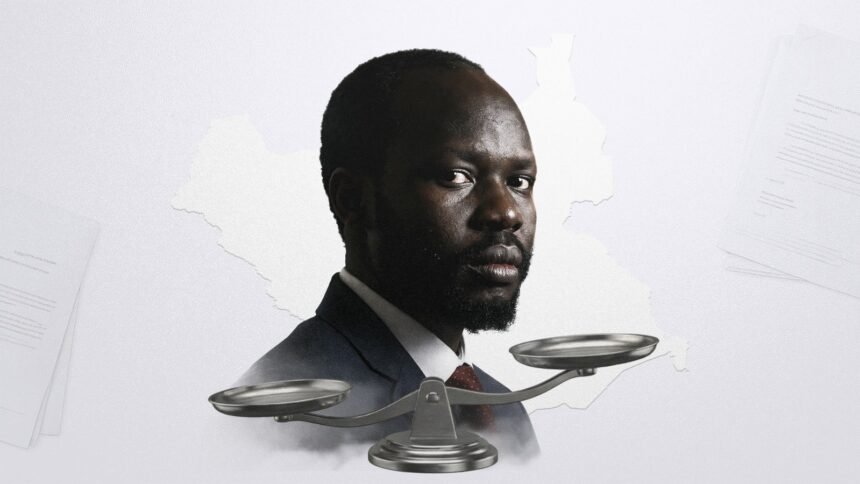
Peter Biar Ajak’s conviction in a U.S. federal court for conspiring to arm a revolt in South Sudan encapsulates the fraught intersection of diaspora activism and homeland instability. In this recurring Pan-African narrative, exiled voices oscillate between advocacy and desperation. As Africa’s youngest nation lurches toward delayed 2026 elections amid factional clashes and Sudan’s spillover war, Ajak’s trajectory, from child soldier to global peace champion, then alleged coup plotter, mirrors broader continental dilemmas. In contexts like Ethiopia’s insurgent elections or Uganda’s suppressed polls, diaspora figures often bridge reformist ideals with radical actions, driven by stalled transitions and economic despair. Ajak’s case, unfolding against airstrikes on hospitals and White Army mobilizations, underscores how external interventions can both illuminate and exacerbate internal chaos, challenging the viability of non-violent paths in protracted conflicts.
South Sudan’s Vortex: Ajak’s Journey from Survivor to Suspect
South Sudan’s political landscape, scarred by cycles of civil war and fragile accords, provides the crucible for Ajak’s dramatic pivot. Arriving in the United States in 2001 as one of the “Lost Boys of Sudan”, young refugees orphaned by decades of strife, Ajak embodied resilience, transforming battlefield trauma into scholarly pursuits at Harvard and Cambridge. His advocacy focused on democratic institution-building, advising post-independence leaders and founding youth networks to foster reconciliation. Yet by 2024, disillusionment with the erosion of the 2018 Revitalized Agreement, marked by power-sharing breakdowns between Salva Kiir and Riek Machar, allegedly propelled him toward “Operation Free South Sudan.” Court documents reveal a sting operation where Ajak, using funds intended for humanitarian aid, sought missiles, grenade launchers, and machine guns to spark protests and overthrow the regime. Sentenced to 46 months in February 2026 (with credit for time served), his guilty plea highlights the blurred lines between principled dissent and illicit escalation, reflecting a nation where 400,000 perished in prior conflicts and current escalations displace thousands weekly.
Political Unrest Amplification: Coup Plots in Factional Storms
Ajak’s alleged scheme intersects with South Sudan’s roiling unrest, where SPLM-In-Government forces clash with SPLM-In-Opposition amid Sudan’s proxy influences. Recent opposition advances in Jonglei, bolstered by Nuer White Army militias downing helicopters, coincide with government airstrikes, including the February 4, 2026, hit on a Jonglei hospital serving 200,000, destroying vital supplies. These incidents, condemned by the United Nations as indiscriminate, echo Ajak’s purported strategy: ignite chaos to force regime change. His plot, involving co-conspirator Abraham Chol Keech (sentenced to 41 months), aimed to exploit ethnic fault lines and economic collapse, unemployment over 50 percent, and oil revenue disruptions to rally diaspora support. Yet, in a nation reeling from Sudan’s refugee influx and border captures of alleged South Sudanese fighters for the Rapid Support Forces, such external machinations risk widening rifts, transforming localized skirmishes into hybrid wars that prolong suffering rather than resolve it.
Democracy Struggles Entrenched: Activism’s Radical Turn
South Sudan’s democracy struggles, perpetually deferred by violence, find a poignant lens in Ajak’s fall, illustrating how unfulfilled transitional promises breed extremism. The 2026 elections, postponed amid census failures and security vacuums, symbolize a stalled revolution in which the 2011 euphoria of independence yielded to elite capture. Ajak’s Harvard-honed vision of inclusive governance clashed with realities of treason trials, arbitrary detentions, and UAV strikes that blur civilian-military lines. His case sparks diaspora debates: was it a desperate bid for reform or a betrayal of non-violent oaths? Paralleling Tunisia’s opposition purges or Madagascar’s youth remorse post-coupvolution, it reveals how democracy’s erosion, evident in dilutions of power-sharing and electoral boycotts, pushes activists toward arms, undermining continental aspirations for ballot-driven renewal and perpetuating a cycle in which hope curdles into conspiracy.
Peacekeeping Dilemmas: External Scrutiny and Internal Reckoning
Ajak’s U.S. prosecution, framed as a safeguarding of export laws, exposes peacekeeping dilemmas in which diaspora actions intersect global norms and local imperatives. The sting operation, leveraging unwitting financiers for “humanitarian” covers, highlights how external jurisdictions police African conflicts, often prioritizing arms control over root causes like Kiir-Machar rivalries. United Nations expressions of “deep concern” over Jonglei escalations call for dialogue. Yet, Ajak’s sentencing, amid White Army offensives and hospital bombings, raises questions on whether such interventions deter or provoke. In Pan-African terms, akin to AU hesitancy in Uganda’s suppressions, they underscore the tension between sovereignty and accountability, where convicting a “Lost Boy” risks alienating reformist exiles while emboldening regimes to label all dissent as treasonous.
Peaceful Political Transition Horizons: Lessons from Ajak’s Reckoning
Ajak’s saga, culminating in supervised release following sentencing, calls for a reevaluation of peaceful transitions in South Sudan, urging pathways that harness diaspora energy without resorting to arms. Amid 2026 electoral jeopardy, threatened by factional advances and resource conflicts, national dialogues could integrate figures such as Ajak, channeling their critiques into constitutional reforms and youth quotas. Drawing from Kenya’s protest concessions or Senegal’s orderly handovers, South Sudan might prioritize mediated ceasefires and inclusive security pacts, transforming coup temptations into electoral imperatives. Ultimately, Ajak’s legacy, flawed yet fervent, reminds us that true transition demands bridging ideals of exile with ground realities, fostering a democracy resilient enough to absorb radicals into renewal rather than exile them to the shadows.