



Pan-African Shadows: Mining’s Shared Continental Burden
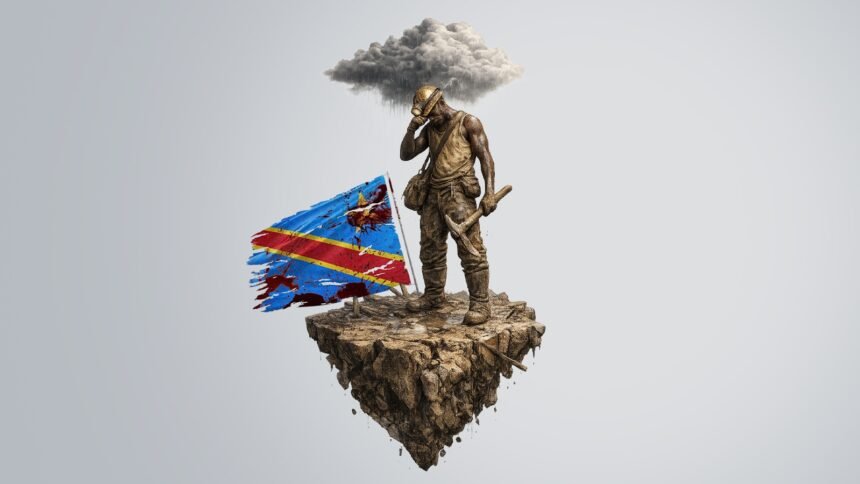
Africa’s mineral wealth binds the continent in a Pan-African narrative of promise and peril, where riches extracted from the earth often exact a devastating human toll. The Democratic Republic of Congo’s Rubaya coltan mine stands as a tragic emblem of this duality. On March 4, 2026, heavy rains triggered a catastrophic landslide that buried scores of artisanal miners, with official reports citing over 200 deaths, including around 70 children, while rebel authorities controlling the site claimed far fewer casualties. This disaster, following a similar collapse just a month earlier that also claimed over 200 lives, underscores how resource extraction in conflict zones amplifies vulnerabilities across borders.
From South Africa’s abandoned gold shafts to Mali’s artisanal pits and Zimbabwe’s informal operations, the pattern repeats: unregulated sites, climate-intensified rains, and armed oversight turn mines into death traps. Pan-African solidarity, once envisioned through shared development agendas, fractures under the weight of these recurring tragedies. Coltan from Rubaya, which supplies 15 percent of global tantalum demand for smartphones, laptops, and aerospace, fuels distant economies while local communities bear the scars. This shared burden calls for a unified continental response that transforms mining from a source of division into a foundation for collective resilience and equity.
Mining Sector in Africa: Riches Amid Relentless Risk
Africa’s mining sector pulses with immense potential, holding vast reserves of critical minerals that power the global green and digital transitions. Yet this sector operates amid relentless risk, where informal and artisanal operations dominate, exposing workers to unforgiving conditions. In the Democratic Republic of Congo, Rubaya’s coltan deposits exemplify this reality: hand-dug tunnels carved into unstable hillsides collapse during seasonal rains, as seen in the March 2026 landslide and the January 2026 catastrophe. These events highlight how climate variability, prolonged wet seasons, and intense downpours intersect with poor infrastructure to devastate communities.
The sector employs millions but generates disproportionate tragedy. Artisanal miners, often including women and children supplementing family incomes, work without mechanization or safety protocols. Rebel control in eastern Congo since 2024 has added layers of complexity, with sites like Rubaya recently positioned in international minerals deals despite warnings against continued operation. Across the continent, similar dynamics prevail: environmental degradation, toxic exposure, and economic desperation drive people into hazardous pits. Africa’s mining mosaic thus reveals a profound imbalance, immense geological bounty overshadowed by systemic fragility that demands urgent modernization and oversight.
Leading African Nations in Mining: Powerhouses and Precarious Frontlines
Leading African nations in mining command global attention through their strategic resources, yet they stand as precarious frontlines where prosperity clashes with peril. The Democratic Republic of Congo leads in coltan and cobalt, producing the majority of the world’s supply, which is essential for electronics and electric vehicles. Rubaya alone contributes significantly to this dominance, but its recent landslides expose the human cost of such leadership. South Africa follows as a gold powerhouse, its Witwatersrand region dotted with abandoned shafts where informal “zama zamas” risk suffocation, starvation, and gang violence in deep, unregulated tunnels.
Other frontrunners include Ghana and Mali in gold, Zambia in copper, and Zimbabwe in platinum and chrome. These nations drive continental output, yet artisanal sectors, employing the bulk of workers, lack the safeguards of large-scale operations. In Congo, M23 rebel governance since 2024 has complicated accountability at sites like Rubaya, where government tallies of over 200 deaths contrast sharply with rebel estimates. South Africa’s formal mines boast advanced technology, but informal networks produce 10 percent of the country’s gold amid deadly crackdowns. This hierarchy of leading producers underscores a Pan-African challenge: while these nations anchor global supply chains, their informal frontiers consistently yield the highest human costs.
Mining Accidents & Disasters: The Rubaya Landslide in Grim Succession
Mining accidents and disasters across Africa form a grim succession of preventable tragedies, with Congo’s Rubaya landslide marking the latest chapter in a chronicle of loss. The March 4, 2026, event, triggered by days of heavy rain, devastated the coltan site, claiming over 200 lives per official accounts, including dozens of children among miners, traders, and families. Injured survivors were rushed to Goma hospitals, yet conflicting reports from rebel controllers downplayed the toll to just five or six. This followed a January 2026 collapse at the same complex that killed another 200-plus, with some estimates reaching 400 when accounting for the missing.
The pattern echoes regionally. South Africa’s 2025 Stilfontein shaft blockade left dozens dead from starvation after supplies were cut to combat illegal mining. Earlier DRC incidents include a November 2025 cobalt bridge collapse killing 32-40 due to overcrowding and panic, and gold mine landslides trapping thousands. Rubaya’s dual 2026 disasters, both blamed on rains eroding hand-dug structures, highlight how artisanal methods in conflict zones amplify risks. Sites once discouraged for operation continued unchecked, turning seasonal weather into mass graves. These accidents reveal not isolated misfortunes but systemic failures where global demand for minerals meets inadequate safeguards.
Human Rights & Safety Regulations: Dignity Denied in the Depths
Human rights and safety regulations in Africa’s mines too often remain aspirations rather than realities, with dignity denied to those laboring in the depths. At Rubaya, the presence of children among the March 2026 victims, around 70 reported, exemplifies how economic desperation overrides protections, violating international standards against child labor. Rebel control since 2024 has further eroded oversight, with operations persisting despite explicit warnings to secure sites and implement safeguards. Conflicting casualty figures underscore accountability gaps, where government and rebel narratives diverge amid ongoing conflict.
Safety regulations falter continent-wide. Informal miners lack helmets, ventilation, or emergency protocols, leading to routine rockfalls, floods, and collapses. In South Africa, zama zamas endure extreme heat, toxic air, and armed syndicates, with state responses sometimes exacerbating harm through blockades. Broader rights abuses, forced labor, sexual violence, and displacement plague artisanal zones, particularly in eastern Congo’s coltan fields. While frameworks like regional mining codes exist, enforcement lags in remote, conflict-affected areas. The Rubaya tragedies demand a rights-centered overhaul: mandatory licensing, child protections, independent monitoring, and climate-resilient infrastructure to affirm the humanity of every miner.
Development Horizons: Reclaiming Africa’s Mineral Future
Development horizons for Africa’s mining sector glimmer with opportunity if the Rubaya lessons propel transformative change. The continent holds the keys to global technological advancement through its critical minerals, yet disasters like the 2026 Congo landslides expose the urgent need to align extraction with sustainable growth. Formalizing artisanal operations, through cooperative models, training, and technology, could reduce risks while empowering communities, turning Rubaya’s coltan into a catalyst for local processing and value addition.
Pan-African initiatives offer pathways: harmonized safety standards, climate adaptation funds, and international partnerships that prioritize ethical sourcing. Investing in diversification, education, and alternative livelihoods can ease reliance on hazardous pits, while revenue from mineral funds can fund infrastructure and social services. The recent Rubaya events, amid rebel governance and global interest in Congo’s assets, highlight the stakes, failure risks perpetuating cycles of poverty and conflict, but bold reforms can forge equitable development. By centering human security and environmental stewardship, Africa can reclaim its mineral future, ensuring that the earth’s gifts uplift rather than bury its people.