




Pan-African Economic Ripples
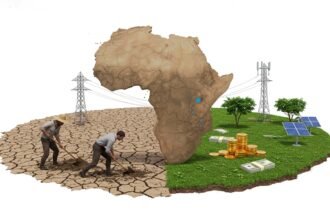
Across the continent, the echoes of the Iran-US-Israel conflict reverberate through trade routes and balance sheets, reshaping Africa’s economic landscape in profound ways. This war, erupting in early 2026 with strikes on Iranian targets and retaliatory missile barrages, has disrupted a fifth of global oil supplies, particularly through the choked Strait of Hormuz, forcing shipping reroutes around the Cape of Good Hope and inflating transport costs. For oil-exporting nations like Nigeria and Angola, the initial price surge offered windfalls, yet the broader turmoil threatens to unravel recent growth trajectories. Importers in East and Southern Africa face soaring fuel bills, exacerbating inflation and straining fragile budgets already burdened by debt. Gulf investments, once flowing into infrastructure and mining, have frozen amid regional instability, while higher fertilizer costs, tied to disrupted petrochemicals, jeopardize food security in agrarian economies. African migrant workers in the Middle East send fewer remittances, and potential spillover risks to Sahelian bases heighten security premiums. In this crucible, the conflict accelerates a Pan-African imperative: pivoting from vulnerability to resilience through diversified trade and regional solidarity.
Oil Prices After the War
In the war’s aftermath, oil prices have charted a volatile course, rising from pre-conflict levels around $70 per barrel to peaks near $120, then settling in the $90-110 range amid ongoing disruptions. The initial shockwave stemmed from fears of prolonged Strait closures, which slashed supplies and triggered speculative buying that amplified global energy inflation. As strikes targeted refineries and pipelines, markets anticipated persistent shortages, yet partial reopenings and alternative sourcing from the Americas tempered the spike. For Africa, this post-war pricing regime brings mixed fortunes: exporters reap higher revenues, but the uncertainty fuels hedging costs and discourages long-term contracts. Brent crude’s elevated floor, driven by damaged infrastructure and sanctions, sustains premiums, yet a protracted conflict could invite demand destruction from economic slowdowns in Asia and Europe. This era demands adaptive strategies, in which African producers balance immediate gains with the risk of oversupply if peace restores flows, underscoring the need for price-stabilizing alliances within OPEC and beyond.
Nigeria’s Export Policy Shift
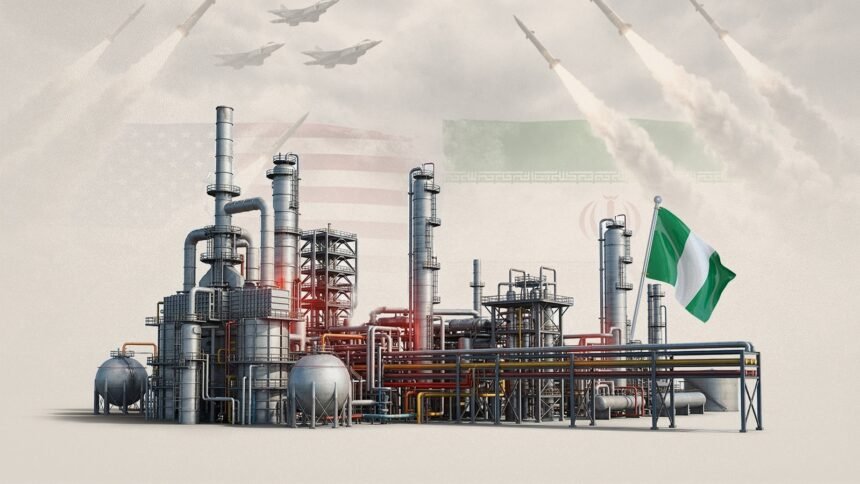
Nigeria, Africa’s crude giant, has undergone a marked policy evolution in response to the war’s turbulence, redirecting crude flows from raw exports toward domestic refinement and strategic stockpiling. Traditionally reliant on shipping unprocessed oil to markets like the United States and India, the nation now prioritizes feeding its burgeoning refinery capacity, exemplified by the Dangote complex ramping to full throughput. This shift, accelerated by wartime price volatility, aims to capture higher margins through value-added products such as gasoline and diesel, thereby reducing vulnerability to global price swings. Government directives encourage joint ventures that blend exports with local processing, while incentives for upstream investments ensure steady supply chains insulated from disruptions in the Middle East. The policy recalibration also incorporates de-dollarization elements, favoring settlements in alternative currencies with BRICS partners to mitigate sanction risks. By channeling war-induced revenues into infrastructure upgrades, Nigeria turns export dependency into a lever for deeper industrialization, fostering a more balanced trade posture amid uncertain horizons.
Non-Oil Exports in Nigeria
Amid the conflict’s shadow, Nigeria’s non-oil exports have surged as a counterbalance, diversifying revenue streams beyond hydrocarbon volatility. Sectors like agriculture, minerals, and manufacturing now command growing shares, with cocoa, sesame, and cashew derivatives leading agro-exports valued in billions. The $1.3 billion alumina refinery deal with the Africa Finance Corporation marks a cornerstone in this expansion, processing bauxite into industrial inputs and spawning ancillary industries. Wartime disruptions have inadvertently boosted demand for Nigerian alternatives, as global buyers seek stable suppliers away from contested routes. Textiles, pharmaceuticals, and tech services further amplify this portfolio, supported by export promotion zones and digital platforms that streamline access to African and Asian markets. This blossoming reflects deliberate investments in value chains, where raw minerals are refined into finished goods, generating employment and foreign exchange that buffer against oil’s unpredictability. As non-oil contributions approach parity with crude, Nigeria exemplifies how adversity can catalyze a multifaceted export renaissance.
Self-Sufficiency Horizons
The war’s economic pressures have propelled Nigeria toward self-sufficiency, with oil policy shifts underpinning broader autonomy in energy and industry. By bolstering local refining to meet domestic fuel needs, the nation curtails import bills that once hemorrhaged reserves, freeing capital for renewable integrations and grid expansions. Initiatives like nationwide mineral mapping and investment vehicles accelerate resource sovereignty, transforming bauxite and gas into fertilizers that enhance food independence amid global shortages. This trajectory extends to manufacturing self-reliance, with wartime revenues funding tech hubs and agro-processing clusters that reduce reliance on foreign goods. Challenges like infrastructure deficits persist, yet the focus on circular economies, recycling refinery by-products into everyday essentials, builds resilience. In envisioning these horizons, Nigeria charts a path in which self-sufficiency not only shields against external shocks but also elevates the nation as a Pan-African model of empowered growth.