




Pan-African: The Continent’s Shared Responsibility
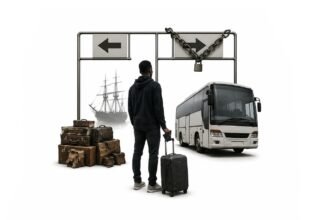
Across the African landscape, the movement of people is a testament to the pursuit of opportunity and the flight from instability. However, when these journeys culminate in tragedy on the Libyan shores, it reflects a profound failure in the continental social contract. The migration crisis is not merely a Libyan or European concern; it is a Pan-African challenge that demands a unified response. Protecting the lives of those traversing the continent requires a collective commitment to addressing the root causes of displacement while ensuring that African agency is at the heart of humanitarian and maritime safety protocols.
Libya’s Migration Outlook: A Perilous Gateway
The migration outlook in Libya remains defined by its role as a primary transit hub for those seeking passage across the Mediterranean. This role has been intensified by the country’s long-standing political fragmentation, which has created a vacuum often filled by unregulated movement. In early 2026, the situation remains critical, with thousands of individuals from across Africa and as far as Bangladesh attempting the crossing. The lack of a centralized, cohesive administrative structure for over a decade has made the oversight of these migration flows exceptionally difficult, leading to a persistent and deadly cycle of hope and catastrophe.
Libya’s Illegal Migration to Europe: The Shore of Lost Lives
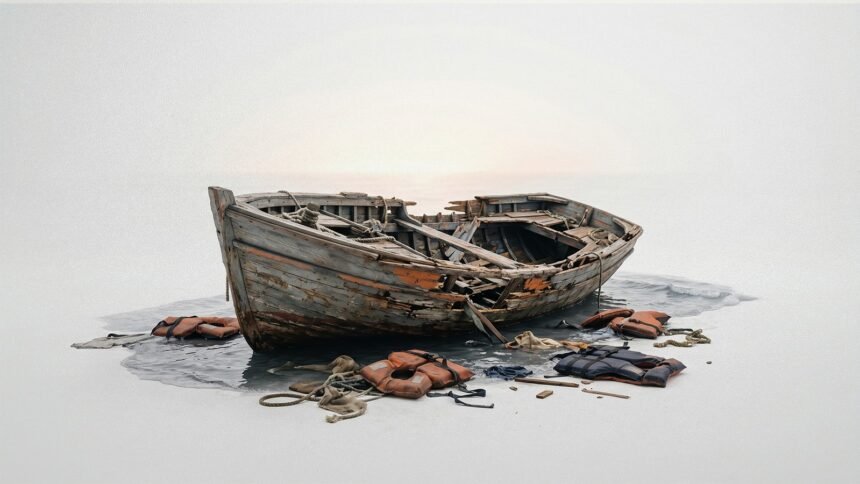
The Mediterranean route between Tripoli and Southern Europe is currently one of the deadliest maritime paths in the world. Recent events highlight the extreme risks involved, as at least 17 bodies believed to be those of migrants were recovered from the shores near Zuwara, west of the capital. These victims represent the human face of an “illegal” migration system where overcrowded and unseaworthy vessels are launched into volatile waters. Each body recovered is a stark reminder that as long as the demand for passage exists without safe and legal alternatives, the Libyan coast will continue to be a site of immense human loss.
Protection & Human Trafficking: Dismantling the Underworld
Transnational human trafficking networks heavily exploit the infrastructure of migration in Libya. These criminal organizations profit from the desperation of individuals, often subjecting them to horrific conditions before and during the crossing. Protection efforts are currently a race against the sophistication of these networks, which operate in the shadows of the civil war. Identifying victims, such as the recently identified Bangladeshi national among the deceased in Zuwara, is a vital part of the humanitarian response. However, long-term protection requires a systematic dismantling of the trafficking “underworld” that commodifies human life for profit.
Security & Marine Forces: Navigating the Recovery
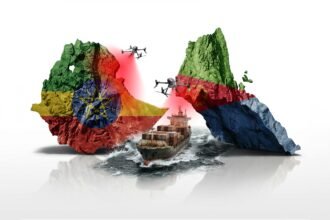
The recovery and management of migrant remains are handled by specialized units, such as the Emergency Medicine and Support Center, which operates under the Libyan Ministry of Health. These security and marine forces are tasked with the grim reality of patrolling the coastline and ensuring that bodies are buried according to strict protocols. The broader institutional divide often hampers the effectiveness of these forces in the country. Strengthening these marine forces is essential not only for border security but also for enhancing search-and-rescue capabilities that can prevent further accidents before they reach the shore.
Development: Addressing the Pulse of Migration
The ultimate solution to the migration crisis lies in the sustainable development of the source nations and the stabilization of Libya itself. Migration is the pulse of underlying developmental failures, poverty, conflict, and economic opportunity. For Libya, the transition toward a unified budget and collaborative military efforts offers a glimmer of hope for a state capable of managing its borders with dignity. For the broader continent, the goal must be to create a future where the youth of Africa do not feel that “death is certain” on a Mediterranean boat, but instead see a viable path to prosperity within their own borders.