



In a fluorescent-lit conference room a short drive from Dakar’s Atlantic corniche, the PowerPoint slide on the screen was anything but stirring: a matrix of investment needs, financing instruments, and responsible ministries. The subject, however, was ambitious: how Senegal might pay for a new vision of development built around the sea.
For two days in early March, officials from the finance, fisheries, and environment ministries, along with technical experts and a handful of partners, picked apart a draft “resource mobilization strategy” for the country’s so‑called blue economy. The term, popular in climate and development circles, bundles together jobs and ecosystems tied to oceans, coasts, and waterways, from small‑scale fishing and tourism to ports, offshore energy, and coastal protection.
The stakes extend far beyond one national workshop. Across Africa, governments have embraced the blue economy to create jobs for fast‑growing coastal populations while protecting fragile marine environments. Whether that rhetoric can be translated into bankable projects, clear rules, and enforceable plans is emerging as a quiet test of the continent’s development model, and of the willingness of richer nations and investors to back it with real money.
Behind the Promises and the Risks
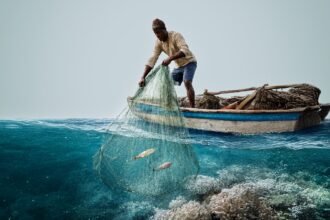
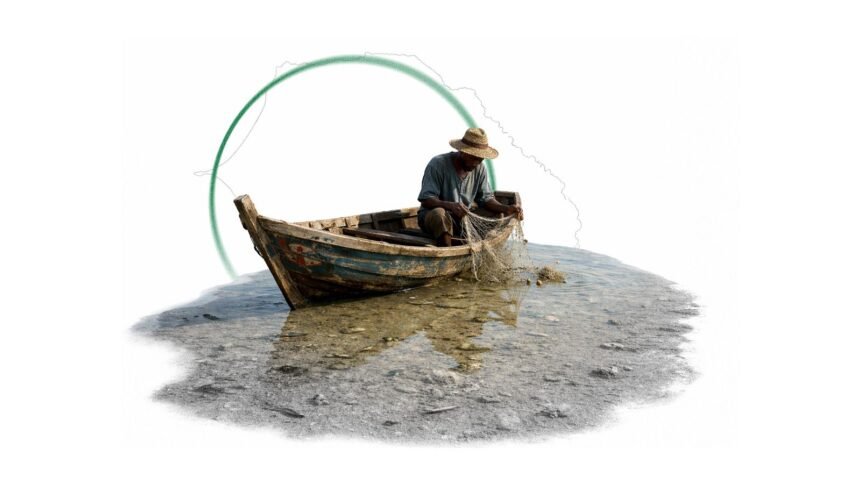
Senegal is a natural candidate to go first. The country’s economy and identity are tightly bound to the ocean: artisanal pirogue fishers ply its waters, tourists flock to its beaches, and its ports anchor regional trade. At the same time, coastal erosion is eating away at neighborhoods, fish stocks are under pressure, and climate change is fueling more intense storms.
Like many African states, Senegal has endorsed a series of regional and continental blue economy declarations, and it has signed on to broader climate and development agendas that frame the ocean as a source of resilient growth. What has been missing, officials and analysts say, is a concrete answer to a basic question: who will pay, and under what terms.
Public budgets are under strain after years of overlapping shocks, from the pandemic and food price spikes to rising debt service costs. Traditional donors are juggling multiple crises. Private investors have shown interest in ports, logistics, and tourism, but often demand returns and guarantees that governments struggle to deliver. That leaves leaders trying to piece together a patchwork of grants, loans, guarantees, and domestic revenues into something resembling a coherent strategy.
The Dakar workshop was an attempt to do just that. It asked participants to put price tags on priorities such as restoring mangroves, upgrading landing sites and cold chains for fishers, reinforcing coastal roads, and investing in monitoring and research. It then pushed them to match each item with a feasible mix of public and private finance, rather than relying on vague appeals to “partners” or “the private sector.”
Human Stories and Real-World Examples
Behind the spreadsheets lie communities that have been living with the ocean’s volatility for generations. Along Senegal’s Petite Côte, residents speak of houses claimed by the sea and of once‑plentiful catches that now require longer, riskier trips offshore. Younger fishers weigh whether to follow their parents into an uncertain trade, seek work in Dakar’s sprawling informal economy, or attempt the dangerous Atlantic crossing toward Europe.
Coastal women, who dominate fish processing and small‑scale trading in many towns, face their own squeeze. When land is lost to erosion or appropriated for tourism developments, smoking yards and markets are pushed to the margins. Without reliable cold storage or transport, they resort to quick, low‑margin sales, even as policymakers in the capital talk about “value chains” and “blue growth.”
For these communities, the difference between a blue economy strategy that exists on paper and one that is funded and enforced is measured in daily choices. Whether to repair a boat, keep a child in school, or join a cousin abroad. That is partly why local groups have pushed for greater transparency around fishing agreements, port concessions, and coastal zoning, and for a voice in deciding which projects move forward.
Policy, Debate, and What’s Next
The Dakar meeting exposed fault lines that echo across the continent. One centers on priorities: should scarce resources go first to “no‑regrets” investments that protect people and ecosystems, like mangrove restoration and coastal defenses, or to big‑ticket infrastructure, such as deep‑water ports, that governments hope will unlock trade and private capital?
Another tension involves who benefits. Advocates for small‑scale fishers and coastal communities warn that without safeguards, the blue economy could become a new label for familiar patterns of extraction, with well‑connected firms securing licenses and concessions while local livelihoods erode. Business groups and some officials counter that attracting investment in sectors such as aquaculture, logistics, and tourism is essential if countries are to generate jobs at the scale needed.
Governance is a further challenge. In Senegal, as in many countries, responsibility for the ocean is scattered across ministries. Without a clear lead institution and strong coastal municipalities, even the best‑designed financing strategy risks becoming an orphan document. The Dakar workshop prompted discussion about who would coordinate implementation, how local authorities would be included, and how progress would be monitored.
Beyond the national arena, there is a growing recognition that regional cooperation will shape outcomes. Fish stocks, pollution, and shipping routes do not stop at borders. West African states are under pressure to better police their waters, negotiate more balanced fishing arrangements, and align their coastal plans. Some are exploring joint surveillance and shared approaches to financing marine protection and sustainable fisheries.
For all the technical language, officials and observers say the broader question is political: will governments and their partners treat blue economy roadmaps as binding commitments or as another set of aspirational plans? The answer will depend not only on decisions in capitals like Dakar, but also on whether international lenders and investors are prepared to provide predictable, long‑term support on terms that coastal countries can bear.
As the workshop wound down, participants began revising their draft strategy, line by line, to reflect the debates of the previous days. The document that emerges will not, by itself, halt erosion or refill nets. But it may offer an early glimpse of whether Africa’s blue ambitions can be translated into the detailed, costed, and accountable plans that development officials have long called for.
Along Senegal’s coastline, the ocean’s pull remains as strong as ever — a source of danger, sustenance, and hope. Whether the next generation of coastal youth finds decent work on those shores, or sees them mainly as a departure point, will turn in part on what happens to a few unremarkable pages drafted in a quiet room in Dakar.