


The Pan-African Paradigm of Cultural Expressivism and Athletic Sovereignty
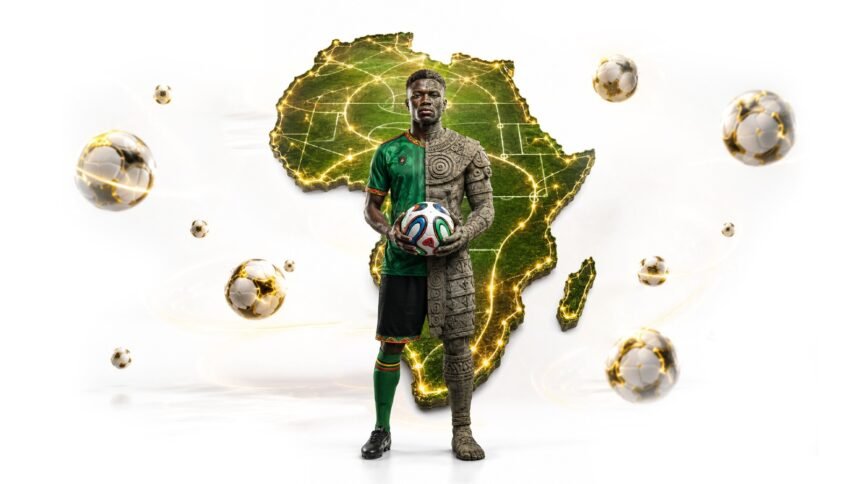
Across the African landscape, the contemporary execution of international sporting events serves as a profound theater for soft power, cultural expressivism, and the reclamation of historical memory. The Pan-African vision for an integrated, self-determining continent extends far beyond statutory boundaries and economic corridors, projecting its unique identity into global arenas through the medium of athletic performance and fan solidarity. Rather than passively consuming globalized entertainment, sub-Saharan communities actively co-opt transnational sports platforms to assert their local histories, honor iconic political predecessors, and challenge restrictive administrative systems. Reclaiming the continent’s shared future demands comprehensive recognition of these cultural expressions, demonstrating that athletic fields can serve as highly visible landscapes for continental unity, collective pride, and the dismantling of external barriers.
Tactical Evolution and Historic Openers
The global footballing showpiece in North America has provided an unprecedented stage for African national teams to demonstrate their significant tactical maturation and physical competitiveness. Moving past historical structural constraints, continental selections are asserting an elite presence, challenging traditional footballing powerhouses with sophisticated defensive blocks, rapid transitions, and high-intensity press systems. The opening phases of the tournament have already witnessed major shocks that have reshaped global expectations, notably the Democratic Republic of Congo earning a hard-fought 1-1 draw against Portugal in Houston, where Newcastle striker Yoane Wissa scored a stunning equalizer. Simultaneously, nations like Ghana and Egypt are mounting influential displays, capitalizing on world-class technical talent and disciplined collective execution to position the continent as a dominant force in global sports governance.
The Silent Homage of Lumumba Vea
The vibrant energy surrounding sub-Saharan football campaigns has found a highly distinct, symbolic manifestation in the stadium stands through the late arrival of the Democratic Republic of Congo’s most iconic supporter. Michel Kuka Mboladinga, famously nicknamed “Lumumba Vea,” has finally arrived at the World Cup in Guadalajara, Mexico, to deliver his highly unusual brand of matchday support. Standing in stark contrast to the dynamic, singing, and cheering supporters surrounding him, Mboladinga operates as a living statue.
Dressed in a formal jacket and tie specifically tailored to resemble his country’s first Prime Minister, the anti-colonial leader Patrice Lumumba, he stands completely still throughout matches. By raising his arm to strike an unchanging pose that mirrors the historic statue of Lumumba erected in the capital city of Kinshasa, Mboladinga’s silent performance serves as a powerful cultural homage to the pan-African politician who was assassinated by a firing squad in 1961, converting a modern stadium seat into a space of profound historical memory.
Overcoming Institutional Bottlenecks and Social Friction
The transcontinental journey of African supporter subcultures to the global tournament occurs against a backdrop of complex international dynamics, institutional bottlenecks, and localized social friction. Mboladinga’s arrival in Mexico was significantly delayed due to strict travel restrictions placed on visitors from the DRC following an expanding Ebola outbreak in Central Africa that has registered over 1,000 cases.
Furthermore, this unique style of fanship has previously faced cultural misunderstandings and social media backlash, notably at the 2025 Africa Cup of Nations in Morocco when Algerian forward Mohamed Amoura mocked Mboladinga’s rigid stance, prompting an official institutional apology from the Algerian Football Federation. Overcoming these health-related border blocks and cross-cultural frictions underscores the immense resilience of African fans, who navigate restrictive global mobility regimes to bring their historical narratives directly to the world stage.
Cross-Border Solidarity and Sub-Continental Identity
The collective experiences of African selections at the global tournament function as a valuable catalyst for cross-border solidarity and sub-continental identity formation. In an environment historically impacted by fragmented post-colonial borders, the shared successes and cultural expressions of individual teams generate an organic layer of regional unity. When fans across diverse metropolitan hubs celebrate a crucial goal by an African peer, it builds a grassroots layer of emotional integration that complements formal economic treaties. By lowering historical social barriers and fostering common pride, the tournament demonstrates that the sport can act as a powerful transnational bridge, harmonizing local identities into a cohesive, pan-African public sphere.
The Triumph of Underdog Resiliency
The human dimension of the tournament has been deeply defined by extraordinary narratives of underdog resiliency, most vividly illustrated by the historic campaign of the island nation of Cape Verde. Guided by their visionary coach Bubista, the Blue Sharks are using their maiden World Cup appearance to inspire marginalized communities across the globe, competing on equal terms against South American giants like Uruguay.
The emotional center of this campaign features the team’s 40-year-old veteran goalkeeper, Vozinha, whose post-match tears over his mother’s inability to witness his historic World Cup debut in person captured the sympathy of millions of fans worldwide. This massive wave of global digital support catalyzed direct diplomatic action, prompting the United States State Department to fast-track an emergency visa, allowing Vozinha’s mother to arrive in Miami ahead of their critical group match. This heartwarming triumph underscores Cape Verde’s national identity, built on character, organization, and resilience in the face of difficult conditions, proving that sporting success can mobilize global systems to deliver profound human joy.
Group Dynamics and Knockout Trajectories
As the tournament moves toward its business end, several African nations are well-positioned to secure historical spots in the highly competitive last-32 knockout stage. Following their surprise draw with Portugal, the DRC is preparing for a high-stakes group finale against Uzbekistan, aiming to secure the points needed to guarantee a historic knockout berth.
Concurrently, Ghana’s Black Stars arrive at their critical clash against England in Boston with immense confidence, having shown tactical patience to overcome Panama. A positive result against the English side will secure their first knockout appearance since their legendary quarter-final run in 2010. With Egypt and Morocco also displaying elite form, continental planners are anticipating a historic collective progression into the bracket phase, demonstrating the technical growth of African football.
Leveraging Global Athletics for Sovereign Brand Management
The exceptional visibility achieved by African selections and their unique supporter groups provides an immediate opportunity for domestic ministries to leverage global sports culture for national brand management and economic diversification. By showcasing unique cultural figures like Lumumba Vea and capturing the world’s imagination through heartwarming personal stories, African states are actively re-engineering their global profiles. State planners are utilizing this media spotlight to market their world-class eco-tourism frameworks, historical monuments, and rich cultural heritage to an expanding international audience. Moving away from legacy images of isolation or dependency, the continent is successfully utilizing the global tournament to position itself as a dynamic, highly attractive destination for international hospitality capital, cultural exchange, and sustainable global tourism.