



The Pan-African Paradigm of Fiscal Adaptation and Macroeconomic Autonomy
Across the African landscape, the contemporary configuration of global economic governance places intense pressure on developing nations to balance domestic structural reforms with the volatile realities of external supply shocks. The Pan-African vision for long-term economic integration and self-determination relies heavily on transitioning away from reliance on raw primary commodities toward highly resilient regional production chains. When sub-Saharan economies are forced to absorb consecutive international crises, the preservation of domestic fiscal space becomes a primary indicator of national sovereignty. True continental advancement demands that African state institutions move past short-term crisis containment to build autonomous monetary architectures and structural safety nets capable of shielding vulnerable local populations from asymmetric global market shocks.
Cost-of-Living Volatility and Output Contraction
The geopolitical matrix of the African continent has been under extreme economic strain following the outbreak of war in the Middle East involving Iran. Although the region entered the current cycle with significant momentum, having achieved a ten-year growth peak in the preceding year, the fallout from the transnational conflict has created a highly difficult moment for sub-Saharan nations. This external supply shock is testing the continent’s hard-won stabilization gains, dragging down projected regional output growth to 4.3% while pushing median inflation forecasts to 5.0% by the end of 2026. Because many peripheral societies possess minimal fiscal buffers following years of consecutive international crises, the severe cost-of-living increases triggered by the Middle East shock are cutting directly into domestic purchasing power, threatening to push millions of vulnerable citizens into severe food and economic insecurity.
Transit Bottlenecks and Maritime Infrastructure Realignment
The practical execution of sub-Saharan trade has encountered significant operational bottlenecks due to prolonged maritime and logistics disruptions across major Middle Eastern transit corridors. The conflict has severely impacted energy and trade logistics, most critically threatening vital global shipping arteries such as the Strait of Hormuz. These structural blockages have caused immediate spikes in international shipping container fees, elongated transit times, and disrupted regional tourism networks. While a formal ceasefire has been established, international logistics experts and Gulf infrastructure authorities have indicated that it typically takes 6 to 7 months for production lines, maritime logistics networks, and commercial exports to return to full capacity, forcing African transport ministries to rely on longer, higher-cost alternative supply routes.
Supply-Side Pressures and Debt-Sustainability Thresholds
The compounding pressures of the Middle East conflict have triggered a classic supply-side shock, resulting in widespread inflationary spirals that complicate long-term loans and debt management. As global energy input costs rise, production and transportation costs for essential manufacturing, transport, and consumer goods have escalated rapidly across the continent. This return of high inflation has forced central banking authorities to implement highly cautious monetary frameworks to prevent secondary inflation spirals from unanchoring wage and price expectations. Concurrently, sovereign debt burdens have reached levels not seen since the aftermath of the Second World War, forcing national treasuries to make difficult choices between maintaining fiscal sustainability and financing emergency public support programs.
Accelerated Funding Disbursals and Balance-of-Payments Insurance
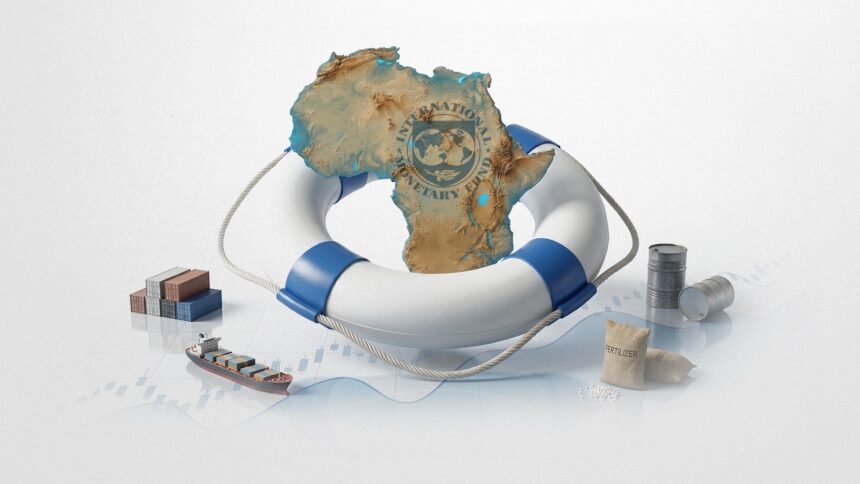
In response to these mounting fiscal imbalances, multilateral financial institutions are deploying substantial capital injections and structural loan adjustments under the direction of the International Monetary Fund’s newly appointed Africa Chief, Zeine Zeidane. Operating as a critical financial backstop for nations under extreme economic strain, the Fund is aggressively mobilizing resources to help sub-Saharan states weather the Middle East shock. The IMF has finalized staff-level agreements to deliver augmented or accelerated financing packages to several vulnerable economies, including immediate interventions for Burkina Faso, The Gambia, and São Tomé and Príncipe. Furthermore, for nations managing large existing structural programs, the IMF accelerated approximately $200 million in financing allocations for Ethiopia, while advancing fast-track consultations with Malawi to preserve basic liquidity balances.
Hydrocarbon Windfalls and Agrarian Supply Blockades
The economic fallout from the war has created a highly uneven trade environment across Africa, separating states into distinct resource categories based on their import dependencies. While the initial surge in global oil and gas prices delivered short-term revenue windfalls to established sub-Saharan energy exporters, it imposed severe structural strains on oil-importing countries. More critically, the disruption of the non-oil trade sector has created widespread socioeconomic challenges, primarily due to the blockade of Middle Eastern fertilizer exports. Because the Middle East is a major global exporter of agricultural chemicals, the current trade freeze has driven fertilizer prices to historic highs, raising agricultural production costs and threatening sub-Saharan food security.
Downstream Industrialization and Institutional Policy Adjustments
The persistence of these transnational shocks highlights the vital importance of accelerating structural economic diversification across sub-Saharan Africa. The IMF and World Bank Group are actively advising regional governments to avoid large, untargeted fuel subsidies or artificial price caps, which drain public funds and undermine inflation controls. Instead, multilateral entities advocate targeted fiscal transfers to protect fragile households while shifting state capital into downstream industrialization and domestic green energy assets. By closing governance gaps, improving business regulations, and diversifying local processing capacities, African nations can boost their long-term economic output by up to 20% over the next decade, transforming local raw resources into high-value finished products.
Constructing Autonomous Protection Shields and Sovereign Fiscal Paths
The path forward for African sovereign states requires an immediate transition away from short-term emergency borrowing toward building a permanent infrastructure of resilience and self-determining economic power. While the IMF continues to function as a temporary firefighter providing emergency disbursements, long-term stability depends on national planners implementing sustainable fiscal consolidation and structural tax reforms during periods of relative stability. Regional institutions must prioritize completing transcontinental infrastructure corridors to bypass volatile global transit nodes and reduce reliance on foreign agricultural inputs by developing domestic processing networks. By combining disciplined monetary management with an unyielding commitment to pan-African trade integration, the continent can unlock its immense developmental potential, turning the current period of economic adversity into the foundation for an African century of global economic leadership.