


Africalix Exclusive Interview
Jean-Paul Bya’Undaombe Longye, Climate Activist, Loss & Damage Advocate, and Young Climate Negotiator
Few places on Earth encapsulate climate injustice as starkly as the Democratic Republic of the Congo. The country is home to the Congo Basin, the world’s second-largest tropical rainforest and a critical global carbon sink, yet it contributes only minimally to global emissions.
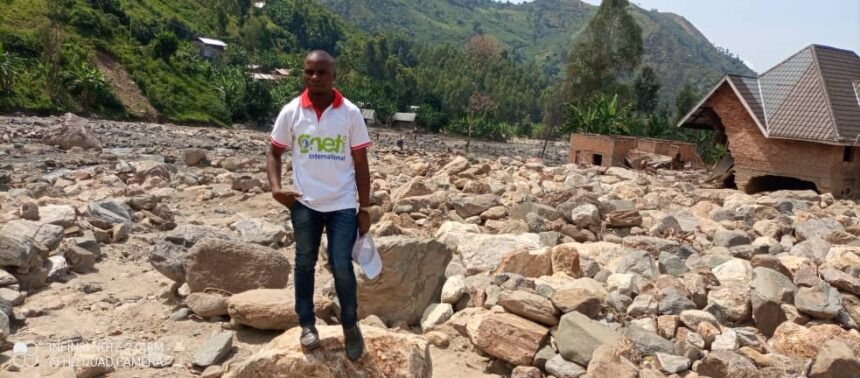
Over 250,000 people have been displaced by flooding since 2021 alone. Seventy percent of the population depends on rain-fed agriculture, which is increasingly disrupted by shifting rainfall patterns. In the eastern provinces of South Kivu and Kalehe, catastrophic floods destroy homes and claim lives, while climate stress accelerates resource competition in regions already fractured by armed conflict.
Jean-Paul Bya’Undaombe Longye ., is a climate scientist, agroecology researcher, and climate adaptation specialist. He completed his Master’s degree at the Botswana University of Agriculture and Natural Resources (BUAN), where his research focused on climate-smart agriculture and sustainable food systems.
He has represented the Democratic Republic of the Congo at the UNFCCC COP28 and UNFCCC COP29 as a Young Climate Negotiator, actively contributing to international climate policy discussions.
His expertise spans climate change adaptation and mitigation, loss and damage, biodiversity conservation, agroecology, and climate-smart agriculture.
As a dedicated climate advocate and researcher, he works to promote resilient livelihoods, sustainable development, and evidence-based solutions to address the impacts of climate change, particularly in vulnerable communities across Africa.
His research on upland rice intercropping systems demonstrates how locally adapted agroecology can build farmer resilience.
In this exclusive interview with Africalix, conducted by Ali Osman, Jean-Paul confronts the gap between scientific urgency and international action, explains what loss and damage truly mean for farming communities losing ancestral lands, and offers a direct message to the world’s highest emitters: this is not a future scenario but a present emergency, and ambition without delivery is not leadership.
Carrying the Voices of Millions Into Negotiation Rooms
Representing the Democratic Republic of the Congo at UNFCCC COP28 and COP29 was both an honor and a profound responsibility for Jean-Paul. Sitting across the table from the world’s largest emitters, he carried with him the voices of millions of people from communities already experiencing devastating floods, droughts, displacement, food insecurity, biodiversity loss, and conflict intensified by climate change.
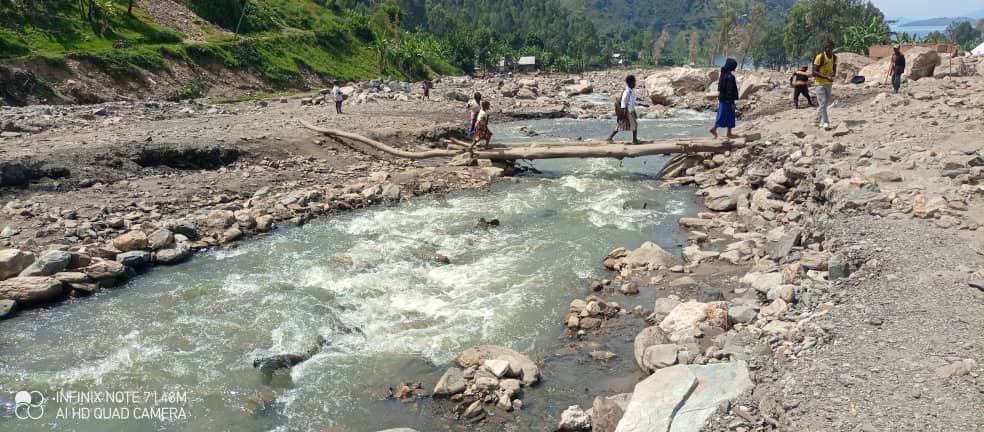
“Climate negotiations are not abstract diplomatic discussions or theoretical debates about future risks,” he explains. “In the DRC, climate change is already a lived reality. Communities in the eastern part of the country, particularly in South Kivu and Kalehe, have experienced catastrophic flooding that destroyed homes, livelihoods, and claimed many lives.”
Farmers are struggling with changing rainfall patterns, declining soil productivity, and increasing vulnerability. Meanwhile, the Congo Basin, one of the world’s largest carbon sinks and a critical ecosystem for global climate stability, continues to face enormous pressure despite contributing very little to global greenhouse gas emissions.
It is emotionally difficult to witness the gap between the urgency experienced by vulnerable countries and the pace of international action. Sometimes, Jean-Paul notes, there is frustration because the countries most responsible for emissions often move slowly, while communities like his are paying the price every day. However, these moments also strengthen his determination as a young African negotiator and climate activist.
“At COP28 and COP29, I understood more deeply that climate justice is not charity,” he explains. “It is a matter of responsibility, equity, and human dignity. Developing countries, especially in Africa, are asking for fairness, accountability, and meaningful support for adaptation, mitigation, and loss and damage.
We are not asking for sympathy alone; we are demanding recognition of historical responsibility and concrete action that matches the scale of the crisis.”
Despite the challenges, Jean-Paul remains hopeful because he witnessed the growing power of youth voices, civil society movements, Indigenous communities, and vulnerable nations working together to push for transformative change.
As young negotiators from the Global South, he emphasizes, they are no longer passive observers in these discussions but are actively shaping the future of climate diplomacy and ensuring that frontline communities are not forgotten in global decision-making.
A Paradoxical and Deeply Unjust Crisis
The climate crisis in the Democratic Republic of the Congo is both paradoxical and deeply unjust. The DRC is home to the Congo Basin, one of the most important ecosystems on Earth, often described as the “lungs of Africa.” These forests absorb enormous amounts of carbon dioxide and play a vital role in regulating the global climate.
“Yet, despite this immense ecological contribution and our very low historical emissions, our people are among the most vulnerable to climate change impacts,” Jean-Paul states. “On the ground, the crisis is no longer something we speak about in the future tense. It is happening now, and communities are living through it every day.”
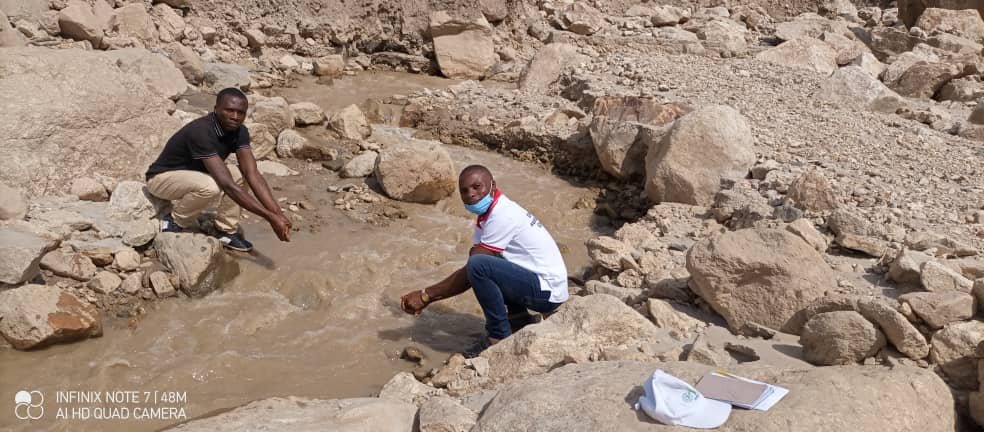
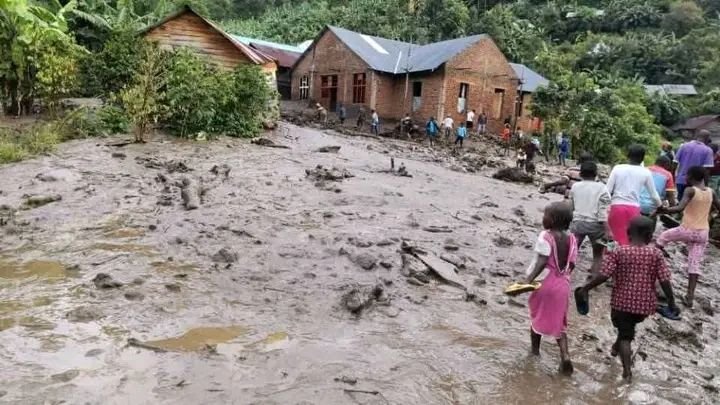
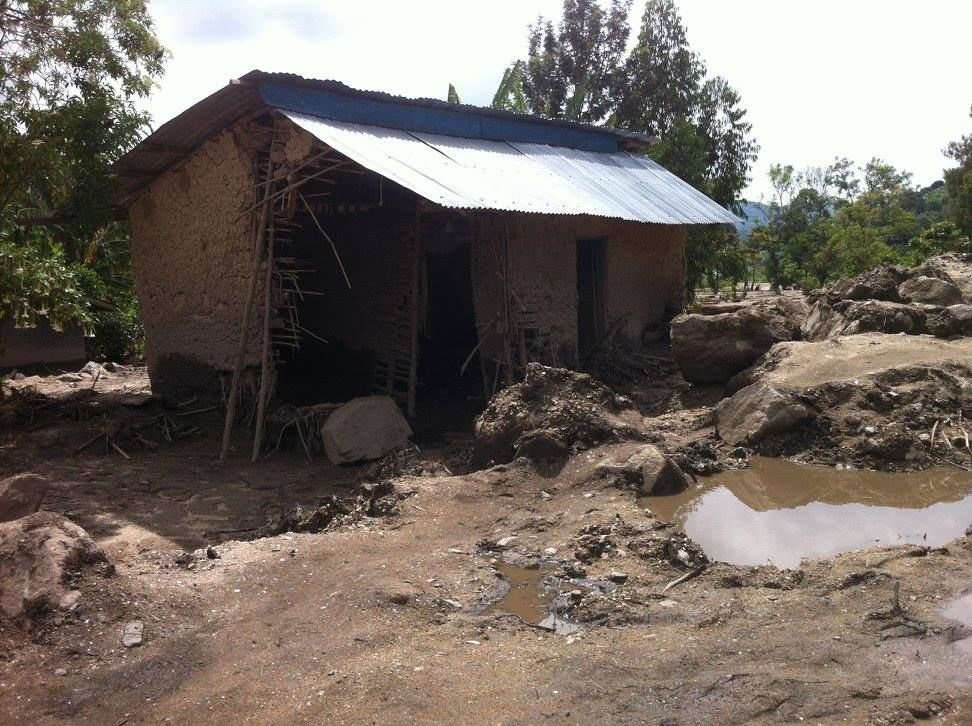
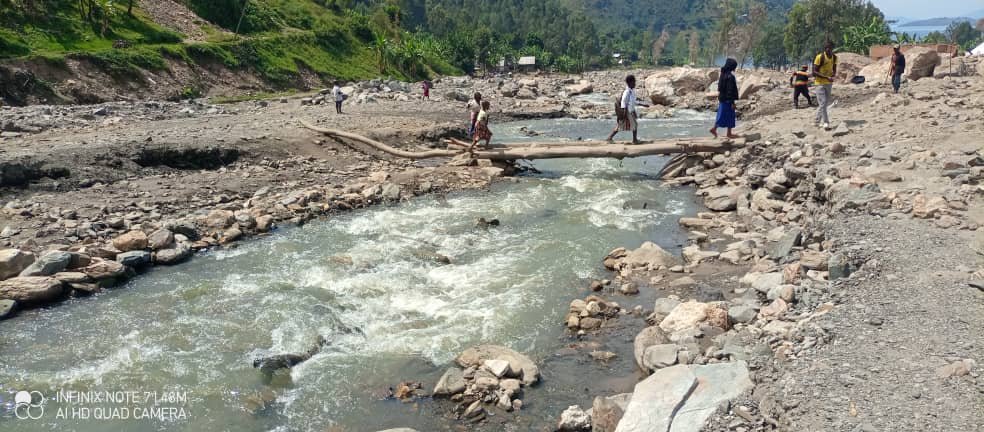
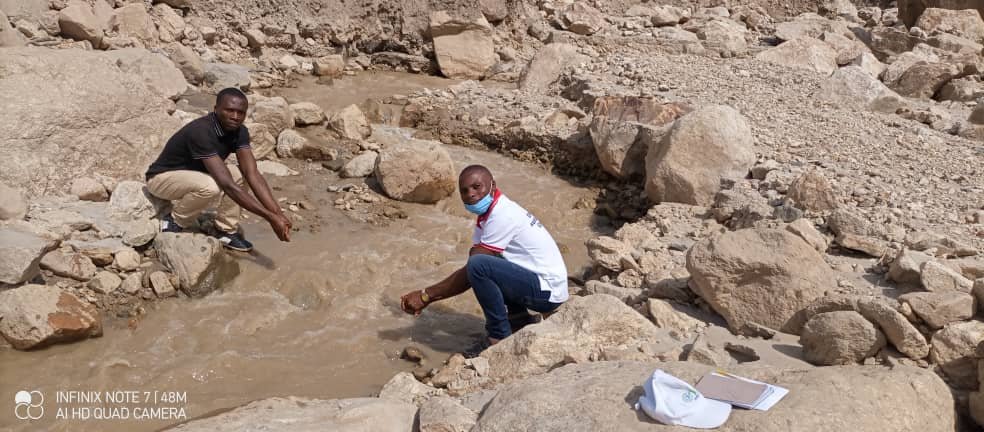
Across the DRC’s provinces, rising temperatures, unpredictable rainfall patterns, prolonged droughts in some regions, and devastating floods in others are the new normal. Entire villages have been destroyed by landslides and flooding, particularly in eastern DRC. The tragic floods in Kalehe and other territories in South Kivu demonstrated how climate-related disasters can suddenly erase lives, homes, schools, and livelihoods within hours.
For farmers, who represent a large part of the population, the situation is becoming increasingly alarming. Agriculture in the DRC depends heavily on rain-fed systems, and climate variability is severely disrupting planting seasons, reducing yields, and increasing crop failures.
This directly contributes to food insecurity, malnutrition, and poverty, especially among rural communities. Women, children, and vulnerable groups are often the hardest hit because they depend directly on natural resources for survival.
The climate crisis is also intensifying existing humanitarian and security challenges. In regions already affected by conflict and displacement, climate change intensifies competition over land, water, and other natural resources. This creates a dangerous cycle where environmental degradation, poverty, instability, and human suffering reinforce one another.
Biodiversity loss and ecosystem degradation are equally concerning. The Congo Basin hosts extraordinary biodiversity essential not only for Africa but for the entire planet. However, climate change, combined with deforestation, illegal mining, and unsustainable exploitation of resources, is threatening these ecosystems at an alarming rate.
“What makes the situation particularly painful is that the people suffering the most are those who contributed the least to causing the crisis,” Jean-Paul emphasizes. “This is why I strongly advocate for climate justice and for stronger international support for adaptation, resilience-building, and Loss and Damage financing.”
When Climate Impacts Become Human Catastrophe
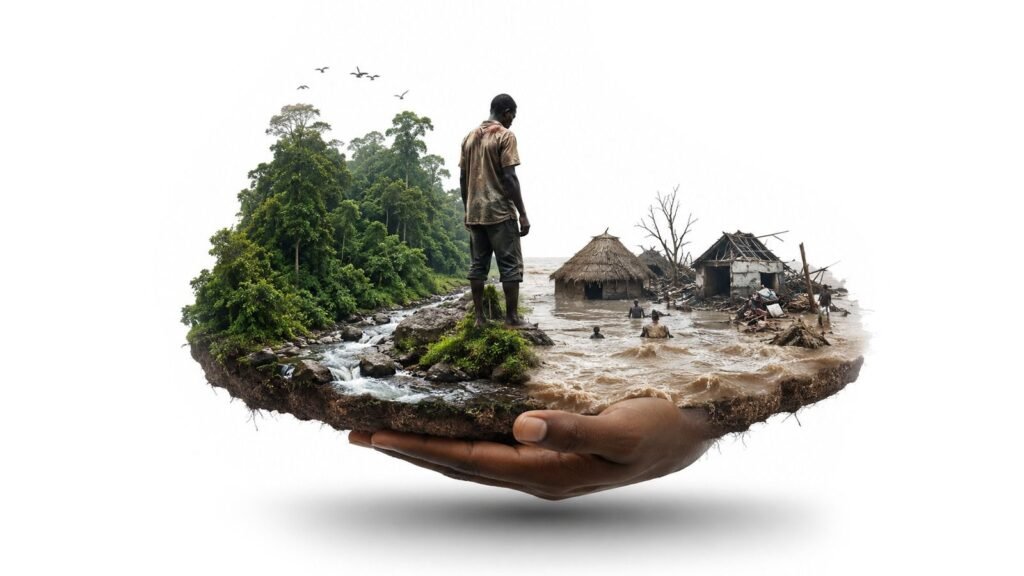
According to reports from SIPRI, the World Bank, and the World Food Programme, over 250,000 people have been displaced by flooding in the Equateur and Tshopo provinces since 2021 alone. Seventy percent of Congolese society depends on rain-fed agriculture. These statistics translate into very real human suffering, especially for ordinary communities that already live in vulnerable conditions.
For many Congolese families, climate change is not measured in degrees Celsius or scientific reports; it is measured in lost harvests, empty food reserves, destroyed homes, displacement, hunger, and uncertainty about the future. Because nearly 70 percent of the population depends on rain-fed agriculture, even small disruptions in rainfall patterns can have devastating consequences.
Farmers increasingly face delayed rainy seasons, prolonged droughts, sudden floods, and declining soil fertility. Crops such as cassava, maize, rice, and beans are failing more frequently, reducing both household income and food availability.
In rural communities where agriculture is the main source of survival, one failed season can push entire families deeper into poverty and food insecurity.
Flooding has become one of the most visible and destructive impacts of climate change. In provinces such as Equateur, Tshopo, South Kivu, and Tanganyika, floods have displaced thousands of people, washed away fields, destroyed infrastructure, contaminated water sources, and increased the spread of diseases such as cholera and malaria.
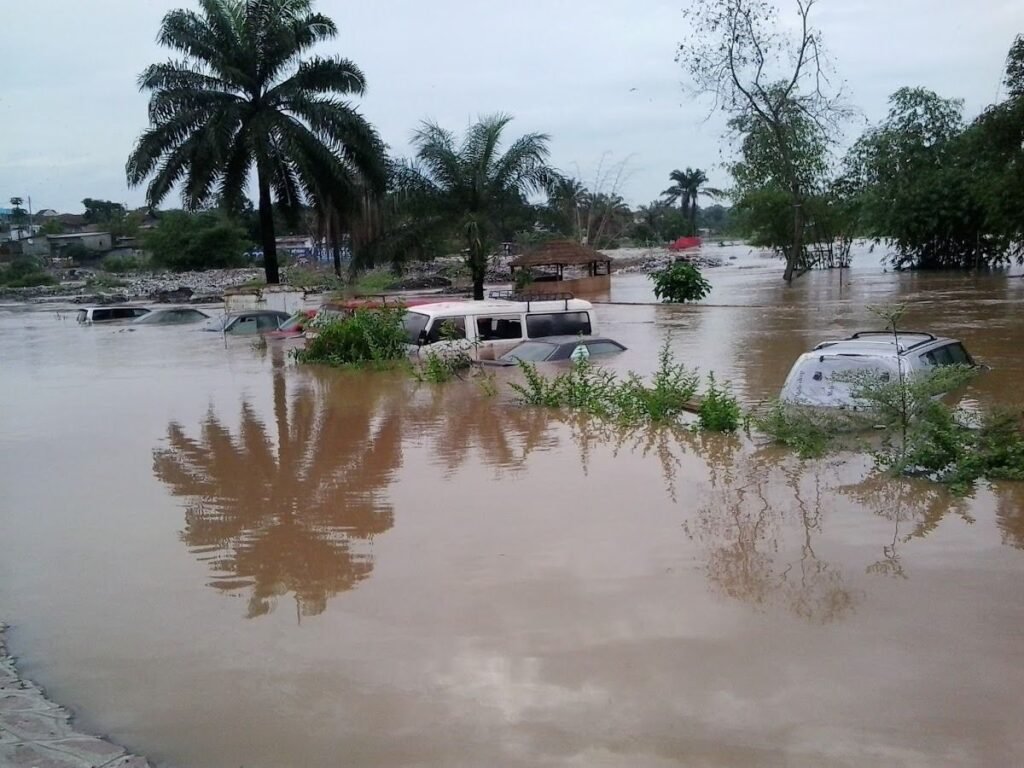
When communities lose their homes, farmland, schools, and local markets, the social and economic impacts continue long after the floodwaters disappear.
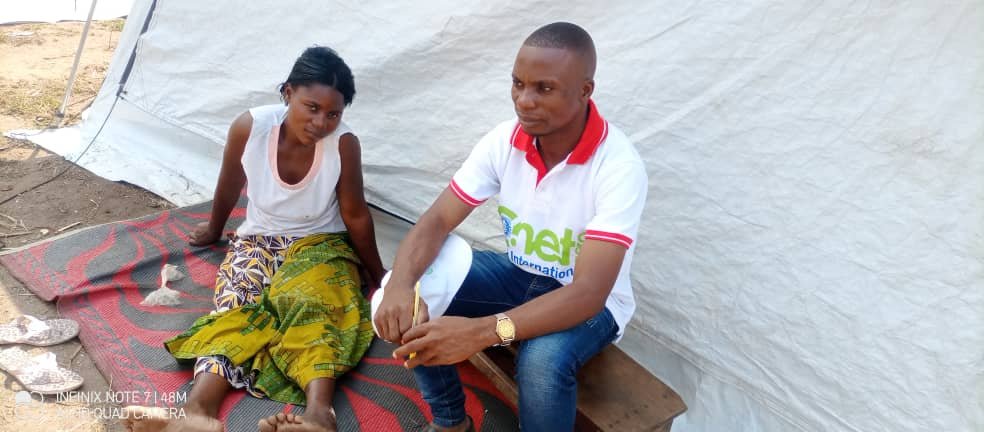
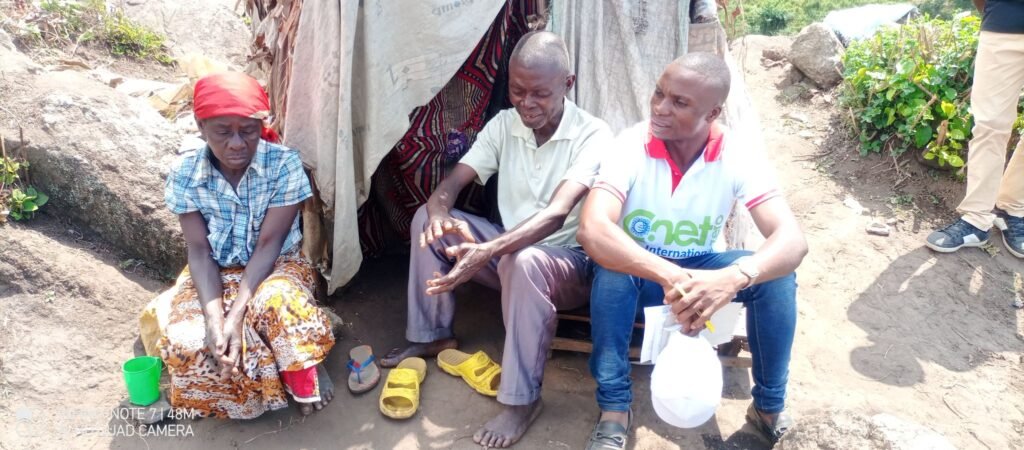
Displacement is another growing reality. Families forced to leave their villages due to flooding or environmental degradation often move into overcrowded areas where access to food, clean water, healthcare, and education is extremely limited. Climate-related displacement also increases pressure on host communities and can aggravate tensions over already scarce resources.
Women and children are disproportionately affected. In many rural areas, women are responsible for food production, water collection, and household care. When droughts or floods occur, they must travel farther for water and food, while also facing greater economic hardship and insecurity.
Children are frequently forced to leave school because families lose their livelihoods or because disasters damage schools themselves.
The Loss and Damage Fund: Historic Achievement, Dangerous Shortfall
The establishment of the Fund for Responding to Loss and Damage at COP27 and its operationalization at COP28 were undeniably historic achievements for vulnerable countries and climate justice movements. For decades, developing nations, especially those in Africa, small island states, and least developed countries, have fought for international recognition that climate change causes irreversible losses that adaptation alone cannot prevent.
“The fact that the international community finally acknowledged this reality was an important political and moral milestone,” Jean-Paul recognizes. “However, if we honestly assess the scale of the crisis facing countries like the Democratic Republic of Congo, the current level of support still falls dangerously short of what is truly needed.”
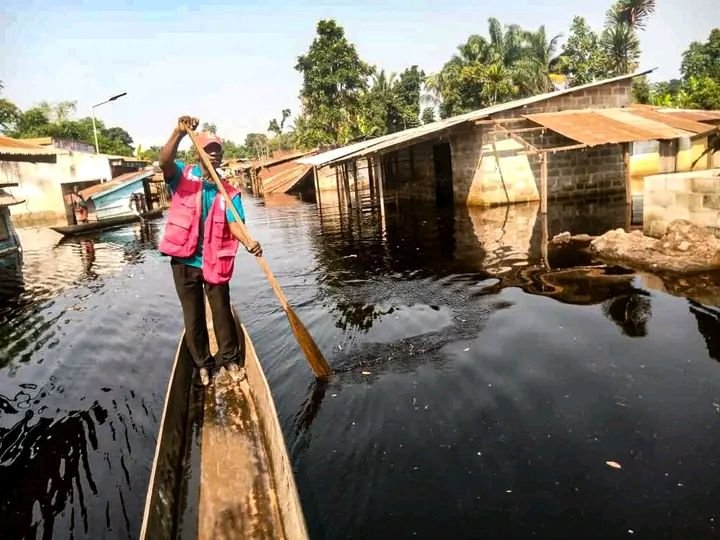
The impacts of climate change are accelerating much faster than financial commitments are being made. Communities are already losing lives, homes, agricultural land, biodiversity, infrastructure, cultural heritage, and economic opportunities. Yet the resources currently pledged to the Loss and Damage Fund remain very limited compared to the actual scale of losses being experienced across vulnerable nations.
For countries like the DRC, the challenge is not only about accessing finance after disasters occur; it is also about ensuring long-term resilience and protecting communities before crises become catastrophic. Climate-related disasters are becoming more frequent and more severe, while many developing countries continue to struggle with debt burdens, limited institutional capacity, and insufficient adaptation financing.
Another concern is accessibility and equity. Many vulnerable countries often face complex procedures, slow disbursement processes, and bureaucratic barriers when seeking access to international climate finance. Communities on the front lines cannot wait years for support while they rebuild after floods, droughts, or displacement.
“The fund must prioritize direct access to vulnerable countries and local communities, especially those most exposed to climate risks,” Jean-Paul argues. “We must also remember that Loss and Damage is not charity or humanitarian assistance alone. It is fundamentally linked to climate justice and historical responsibility.”
Countries that contributed most to greenhouse gas emissions have a moral obligation to provide meaningful support to countries suffering the consequences today. This support should be predictable, grant-based, and additional to existing adaptation and development finance.
For the DRC and many other African countries, success will not be measured by announcements made during COP negotiations, but by whether ordinary people see real improvements in their lives—whether displaced families can rebuild, whether farmers can recover their livelihoods, and whether communities become more resilient.
The Invisible Catastrophe: Non-Economic Losses
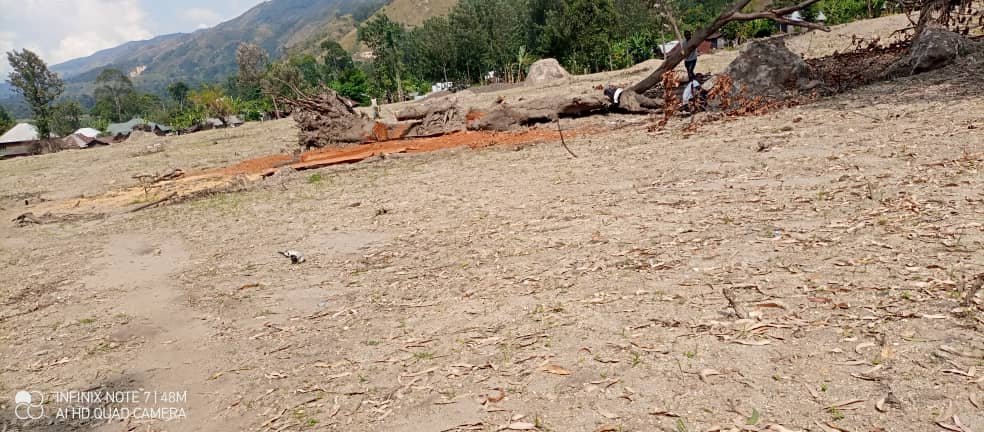
From Jean-Paul’s experience in the Democratic Republic of the Congo, the international community still least understands and acknowledges non-economic losses, especially the loss of cultural identity, indigenous knowledge, social cohesion, dignity, and human lives.
When climate disasters strike in eastern DRC, whether floods in Kalehe and Uvira, prolonged droughts, or conflict aggravated by climate stress, the world often measures only what can be counted financially: damaged roads, destroyed crops, collapsed houses, or economic costs. These are important, but they do not capture the deeper human tragedy communities experience.
“When floods or landslides displace entire villages, communities lose ancestral lands that hold spiritual and cultural significance,” he explains. “Indigenous farming knowledge passed from generation to generation disappears when ecosystems are destroyed. Sacred forests, traditional medicinal plants, and community heritage are lost silently, yet these losses are almost impossible to quantify in monetary terms.”
In the DRC, climate change is intensifying displacement and insecurity in already fragile regions. Families are separated, children lose access to education, and communities lose their sense of belonging and identity. After disasters such as the devastating floods in Bushushu and Nyamukubi in South Kivu, many people died without global attention proportional to the scale of the tragedy.
“For affected communities, the death of a family member, the trauma endured by survivors, and the psychological scars left behind cannot be compensated through financial mechanisms alone,” Jean-Paul notes. “The international community must therefore move beyond viewing loss and damage only through an economic lens.”
Climate, Conflict, and Competition for Survival
Eastern DRC continues to face a dual crisis: violent conflict and accelerating climate change. According to the Stockholm International Peace Research Institute, climate-driven competition over water and land is fueling inter-communal tensions in North and South Kivu. The relationship between these crises is becoming increasingly undeniable.
In provinces such as North Kivu and South Kivu, climate change is no longer only an environmental issue; it is also a threat multiplier that worsens existing fragilities, inequalities, displacement, and intercommunal tensions. Competition over natural resources like fertile land, water, forests, and grazing areas is intensifying under changing climatic conditions.
Irregular rainfall, prolonged droughts, floods, soil degradation, and declining agricultural productivity are placing enormous pressure on communities whose livelihoods depend almost entirely on natural resources. In eastern DRC, where governance challenges, armed groups, weak institutions, and historical grievances already exist, climate stress acts as an accelerator of instability.
“When agricultural land becomes less productive, or water becomes scarce, tensions between farmers and pastoralists increase,” Jean-Paul explains. “Communities that are displaced by floods or conflict often move into areas already under pressure, creating additional competition over land and resources. This can deepen mistrust, fuel recruitment into armed groups, and prolong cycles of violence.”
Climate change is also contributing to humanitarian crises. Millions of people in eastern DRC are already internally displaced due to insecurity, but climate-related disasters such as floods and landslides are now creating multiple and overlapping displacements. Communities are facing what Jean-Paul calls a “compound vulnerability,” in which conflict, poverty, food insecurity, and climate shocks reinforce one another.
Unfortunately, this climate-security dimension is still not adequately addressed in the global climate negotiations under the UNFCCC. Discussions often focus heavily on emissions reduction, adaptation finance, and energy transitions, while the realities of fragile and conflict-affected states receive limited attention. Countries like the DRC require climate responses that are conflict-sensitive and peace-oriented.
Community-Based Solutions: Agroecology and Farmer Innovation
As an agroecology and climate-smart agriculture expert and researcher on upland rice intercropping systems, Jean-Paul strongly believes that the future of agricultural resilience in the DRC lies in community-based adaptation solutions that combine scientific innovation with local and indigenous knowledge.
Farmers in the DRC are already experiencing the impacts of climate change through irregular rainfall, prolonged droughts, declining soil fertility, floods, and the spread of pests and diseases affecting crops such as maize, cassava, coffee, and rice. Climate projections suggest that maize yields could decline across most of the DRC, and that key crops such as cassava and coffee face increasing threats from new pests, fungi, and diseases.
One of the most practical solutions is promoting diversified, resilient farming systems, particularly intercropping systems. Jean-Paul’s own research on upland rice intercropping with grain legumes under semi-arid conditions demonstrates that integrating crops such as cowpea or Bambara groundnut with rice can improve soil fertility through biological nitrogen fixation, enhance moisture retention, reduce risks of total crop failure, and strengthen food security for smallholder farmers.
“Diversification is critical because relying on a single crop makes farmers extremely vulnerable to climate shocks and pest outbreaks,” he emphasizes.
Agroecology also offers important pathways for adaptation. Practices such as mulching, composting, agroforestry, crop rotation, water harvesting, and the use of organic fertilizers can restore degraded soils while reducing dependence on expensive external inputs.
In many rural areas of the DRC, farmers already possess valuable indigenous knowledge about seed preservation, ecosystem management, and climate variability. Strengthening these local systems rather than replacing them is essential for long-term resilience.
Another urgent priority is the development and distribution of climate-resilient seed varieties. Farmers need access to drought-tolerant, disease-resistant, and early-maturing crop varieties adapted to local ecological conditions. Community seed banks and farmer-led seed systems can play a transformative role, especially in remote and conflict-affected areas where formal agricultural support is limited.
Early warning systems and climate information services are equally important. Many Congolese farmers still lack access to seasonal climate forecasts, pest surveillance systems, and agricultural extension services. Providing accessible climate information in local languages could help farmers make better decisions regarding planting periods, crop selection, and water management.
“However, despite the effectiveness of many of these community-based solutions, they are still not receiving the attention and funding they deserve,” Jean-Paul laments. “Most climate finance globally continues to prioritize large-scale infrastructure or mitigation projects, while smallholder farmers, who are among the most vulnerable to climate change, receive only a limited share of adaptation funding.”
In fragile regions of the DRC, local communities and grassroots organizations often struggle to access international climate finance due to complex procedures and institutional barriers. Supporting smallholder farmers should not be viewed as charity; it is an investment in food security, peacebuilding, biodiversity conservation, and long-term climate resilience.
Adaptation in the DRC must be community-centered, empowering farmers as active actors of resilience, innovation, and environmental stewardship rather than treating them merely as victims of climate change.
Youth Negotiators: From Tokenism to Genuine Influence
As a young African negotiator from the Democratic Republic of the Congo, I have found navigating the UNFCCC process both inspiring and deeply challenging. Young people from vulnerable countries often enter these spaces carrying the realities of climate impacts directly from their communities. Yet, their voices are too often treated as symbolic rather than truly influential in decision-making.
Personally, Jean-Paul has had to navigate this challenge through persistence, preparation, and strategic engagement. Coming from a conflict-affected and climate-vulnerable region, he understood early that he needed not only passion but also strong technical knowledge in climate science, adaptation, loss and damage, agriculture, and international negotiations.
Participating in processes linked to the Intergovernmental Panel on Climate Change, youth climate networks, and the UNFCCC negotiations strengthened his capacity to engage credibly with policymakers, negotiators, and experts.
However, the barriers remain significant. Many young African negotiators face financial constraints, visa barriers, language barriers, limited access to technical training, and unequal opportunities compared to delegates from wealthier countries.
In many cases, youth participation is still confined to side events or symbolic panels, while critical decisions are made behind closed doors, with young people absent.
“One of the biggest challenges is that youth from frontline communities often carry lived experience and innovative ideas, but lack institutional power and access to resources,” Jean-Paul notes.
“Yet these same communities are experiencing floods, droughts, displacement, food insecurity, and biodiversity loss in real time. Their perspectives should therefore be central to climate governance, not peripheral.”
Structural changes are urgently needed. First, youth participation must move beyond tokenism. Young negotiators, especially from Africa and other vulnerable regions, should be formally integrated into national delegations, with clear opportunities to contribute to negotiations, drafting, and policy positions.
Second, there must be dedicated funding mechanisms to support youth negotiators from developing countries. Many talented young Africans are excluded simply because they cannot afford travel, accreditation, accommodation, or technical preparation.
Third, capacity-building and mentorship programs should be institutionalized. Fourth, language inclusion is essential. Many African youth come from Francophone, Lusophone, or indigenous language backgrounds, and language barriers can limit meaningful participation in highly technical discussions dominated by English.
“Finally, the international community must recognize youth not only as future leaders, but as present stakeholders and experts,” he emphasizes. “For my generation, climate negotiations are not abstract diplomatic exercises. They are discussions about survival, dignity, justice, and the future of entire communities across Africa and the Global South.”
The Congo Basin: A Global Asset Unfairly Valued
The Congo Basin forest, the second largest tropical rainforest in the world after the Amazon, is one of humanity’s most important climate assets. It plays a critical role in absorbing carbon dioxide, regulating rainfall patterns across Africa, preserving biodiversity, and sustaining the livelihoods of millions of people.
Yet despite its global importance, Jean-Paul does not believe the international community is doing enough to value or protect it fairly and equitably. The Democratic Republic of the Congo possesses a significant portion of the Congo Basin. For decades, the country has contributed enormously to global climate stability while receiving comparatively limited support in return.
This imbalance reflects a deeper injustice within the global climate system: countries that have contributed least to historical greenhouse gas emissions are often expected to bear the burden of conservation without adequate financial, technological, or institutional support.
“At international climate negotiations, including COP27, the DRC rightly emphasized that protecting the Congo Basin cannot continue to rely solely on political declarations or symbolic recognition,” Jean-Paul explains.
“Conservation has real economic and social costs. Communities living in and around forest ecosystems face poverty, food insecurity, lack of infrastructure, insecurity, and limited development opportunities.”
A fair deal for the DRC must begin with genuine recognition of the Congo Basin as a global public good and a strategic pillar of planetary climate resilience. This recognition should translate into large-scale, predictable, and accessible conservation finance, not charity, but climate justice.
Funding mechanisms must support not only forest protection, but also local livelihoods, indigenous communities, youth initiatives, biodiversity conservation, and sustainable rural development.
Climate finance should respect sovereign climate rights. The DRC should not be placed in a position where development and conservation are treated as mutually exclusive choices. African countries have the right to pursue economic development, industrialization, energy access, and poverty reduction while also contributing to global climate action.
Local and indigenous communities must be placed at the center of conservation strategies. For generations, these communities have protected forests through traditional knowledge and sustainable resource management practices. Yet too often, they remain excluded from financing mechanisms and decision-making processes.
“A fair climate agreement involving the Congo Basin must ensure that benefits reach frontline communities directly and transparently,” Jean-Paul states. “We need to move beyond extractive climate diplomacy, where African forests are valued mainly for their carbon storage potential while the broader ecological, cultural, and human dimensions are overlooked.”
The Congo Basin is not simply a carbon market reserve; it is a living ecosystem essential for biodiversity, rainfall regulation, food systems, and cultural heritage across the continent.
A fair deal for the DRC would mean shifting from rhetoric to equitable partnership: meaningful climate finance, technology transfer, investment in resilience and sustainable agriculture, protection of indigenous rights, peace and security support in fragile regions, and recognition of Africa’s right to shape its own climate future.
A Direct Message to the World’s Highest Emitters
If Jean-Paul could address one message directly to the leaders of the world’s wealthiest, highest-emitting nations, on behalf of the people of the DRC and the millions across Africa who are losing their homes, their harvests, and their futures to a crisis they did not cause, his message would be simple and direct.
“What is unfolding in the Democratic Republic of the Congo and across Africa is not a future scenario; it is a present emergency,” he states. “Families are already losing their homes to floods, their harvests to droughts, their children to hunger, and their communities to displacement. And yet, these people have contributed almost nothing to the emissions driving this crisis.”
The injustice is not only in the scale of suffering, but also in the delay in action. Every year of hesitation deepens the loss. Every postponed commitment translates into destroyed livelihoods in places like eastern DRC. Every gap between promises and delivery is measured in human lives, not statistics.
“You often speak of ambition in climate negotiations under the UNFCCC,” Jean-Paul continues. “But ambition without delivery is not leadership. And finance without accessibility is not justice. The people of the DRC and Africa do not need more recognition of vulnerability; they need protection from it.”
They do not need more declarations; they need predictable, accessible, and fair support that reaches farmers, displaced families, and frontline communities directly. Mechanisms such as the Loss and Damage Fund were created for this purpose, but they must be scaled and operationalized with urgency, not hesitation.
“I would ask you to see the climate crisis not as an abstract global challenge, but as a lived reality where inequality determines who survives and who suffers,” Jean-Paul concludes. “No one in the DRC is asking for charity. What is being asked for is fairness for a crisis we did not create but are forced to endure in its most extreme form. History will not judge the promises made in negotiation rooms.
It will judge whether those promises reached the people standing today in flooded fields, eroded villages, and displaced communities across Africa.”
As international climate negotiations continue to produce frameworks, targets, and financing mechanisms, Jean-Paul Bya’Undaombe Longye’s testimony offers an essential counterpoint to optimistic proclamations about global cooperation and technological solutions.
From the eastern provinces where climate stress fuels resource competition in already-fragile regions, to the millions of rain-fed farmers watching rainfall patterns become increasingly unpredictable, to the indigenous communities whose ancestral knowledge is being erased alongside forests, the crisis is neither abstract nor distant.
What makes his voice particularly significant is his refusal to accept the artificial division between diplomacy and lived reality, between loss and damage mechanisms, and the actual communities they are supposed to serve.
The DRC, he insists, should not be viewed only as a victim of climate change but as a key partner in global climate solutions. Yet true partnership requires far more than symbolic youth participation in negotiation rooms or documented commitments to loss and damage finance.
It requires structural reform: dedicated funding for young African negotiators, direct access mechanisms for vulnerable communities, integration of climate-security dynamics, investment in community-based agroecology rather than large-scale infrastructure, and genuine respect for sovereign climate rights rather than conservation conditionality.
Whether the international community will act with the urgency and justice that the DRC’s frontline communities deserve remains, for Jean-Paul, the defining question of this decade. Because every delayed commitment, every complicated procedure, and every gap between promises and delivery is measured not in policy cycles but in flooded villages, failed harvests, and disappeared futures.
• • •
Jean-Paul Bya’Undaombe Longye is a climate scientist, Loss & Damage advocate, and young climate negotiator affiliated with the Intergovernmental Panel on Climate Change and the University of Botswana.
He represented the Democratic Republic of the Congo at UNFCCC COP28 and COP29, bringing expertise at the intersection of climate science, agroecology, and frontline climate diplomacy.
His research focuses on climate-smart agriculture and upland rice intercropping systems as pathways to build farmer resilience in semi-arid conditions. Jean-Paul specializes in adaptation and mitigation strategies for vulnerable communities and advocates for integrating climate-security dynamics, locally adapted solutions, and climate justice frameworks into international negotiations.