






Pan-African Peril: Conflicts’ Grip on Fragile Futures
Across the vast expanse of Africa’s landscapes, where resilient communities have long navigated the interplay of heritage and hardship, a deepening crisis unfolds in the shadows of armed strife. Child mortality, once on a path of gradual decline through Pan-African health initiatives and global partnerships, now surges amid escalating conflicts, reversing decades of progress and threatening the continent’s demographic promise. In 2025, projections indicate a global uptick in under-five deaths to 4.8 million, with sub-Saharan Africa bearing over half the burden, amplified by wars that disrupt essential services and exacerbate vulnerabilities. Nations like Sudan, the Democratic Republic of Congo, and Somalia stand as epicenters, where gunfire and displacement claim young lives at rates far exceeding peacetime norms. This peril not only undermines individual potential but also erodes the collective vitality of Pan-African societies, necessitating unified strategies to protect the continent’s youngest from the ravages of discord.
Children’s Silent Siege: Lives Lost in the Crossfire
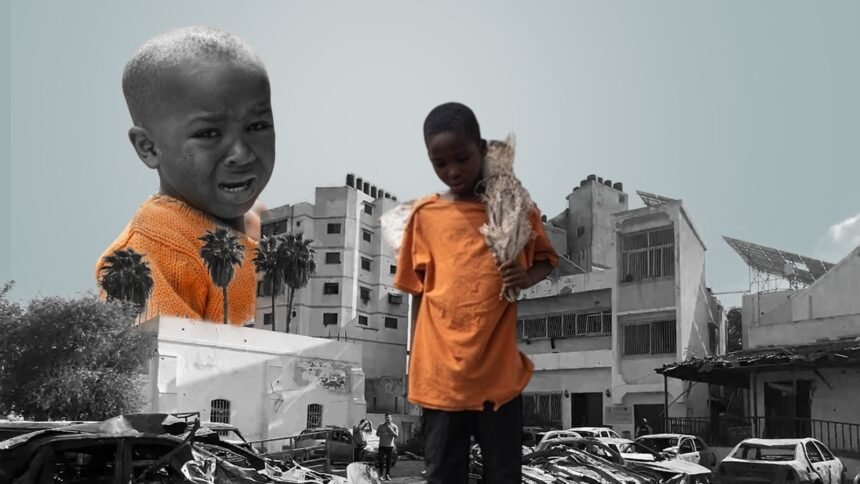
Africa’s children, embodying the hope of renewal in a continent teeming with youth, find themselves besieged by the indirect and direct horrors of conflict. Under-five mortality rates soar in war-torn regions, where access to basic healthcare evaporates amid bombings and blockades. In Sudan, where civil strife has displaced millions since 2023, child deaths from malnutrition and preventable diseases have spiked, with over 100 reported malnutrition fatalities in 2025 alone, 80 percent among the young. Hospitals, once sanctuaries for birth and healing, become targets: attacks on facilities like the Saudi maternity hospital in El Fasher have left pregnant mothers and newborns exposed to famine and infection. Similarly, in the Democratic Republic of Congo, shelling in Goma’s neonatal wards has overwhelmed surviving clinics, pushing child mortality to crisis levels as families flee with limited aid. These sieges manifest in stunted growth, weakened immunity, and a generation scarred by trauma, where the simple act of survival becomes a daily battle against the odds.
Population Growth Amid Turmoil: Swelling the Ranks of Risk
Africa’s demographic dynamism, with populations doubling in many nations over recent decades, intersects perilously with conflict, inflating the pool of vulnerable children and straining fragile systems. The continent’s annual growth rate of 2.5 percent is projected to bring its population to 2.5 billion by 2050, yet in conflict zones, this expansion amplifies mortality. In Somalia, where fertility remains high amid drought and insurgency, over 7,700 conflict-related fatalities were recorded in the first nine months of 2025, many involving children displaced into camps rife with disease. Population pressures exacerbate resource scarcities, turning aid shortages into death sentences: in the Democratic Republic of Congo, home to over 120 million, war-driven displacement affects millions of under-fives, correlating with neonatal rates exceeding 40 per 1,000. This turbulent growth, while a potential boon for labor and innovation, becomes a multiplier of misery when conflicts shatter health infrastructures, underscoring the need for family planning integrated with peace-building to temper the human cost.
Conflicts’ Deadly Embrace: Unraveling Health Lifelines
The embrace of conflict in Africa dismantles the very lifelines that sustain child health, from vaccination drives to maternal care, fostering environments where mortality thrives. In Sudan, the ongoing war has severed humanitarian corridors, leading to sharp rises in child deaths from starvation and outbreaks, with severe acute malnutrition afflicting nearly 800,000 under-fives in 2025. The Democratic Republic of Congo’s eastern provinces, plagued by rebel insurgencies, report overwhelmed facilities and direct attacks on maternity wards, contributing to under-five rates around 81 per 1,000—far above continental averages. Somalia’s protracted strife, compounded by climate shocks, has seen foreign aid plummet 24 percent, shuttering clinics and projecting over 34,000 additional child deaths this year. These conflicts not only kill through violence but also erode preventive measures: immunization coverage drops, malnutrition surges, and displaced families endure unsanitary conditions that breed diarrhea and respiratory ills. The pattern reveals a vicious cycle in which instability begets higher mortality, further destabilizing societies and perpetuating the embrace of despair.
Mortality Rates in the Maelstrom: Quantifying the Carnage
Within Africa’s conflict maelstrom, mortality rates paint a harrowing quantitative portrait, revealing disparities that cleave war zones from stable regions. Sub-Saharan Africa’s overall under-five rate stands at 68 deaths per 1,000 live births in 2023, but in conflicted nations, figures balloon: Somalia at 85, the Democratic Republic of Congo at 81, and Sudan nearing 50, with neonatal losses comprising nearly half. Projections for 2025 forecast grim escalations—Madagascar, though less conflicted, anticipates 82,000 excess deaths amid aid voids, while the Democratic Republic of Congo expects 69,000 more, driven by disrupted supplies and famine. In Sudan, conflict-attributable child deaths have surged, with over 40,000 abuses against minors reported globally in 2024, a 30 percent rise, many in African theaters. These rates, often underreported due to communication blackouts, highlight neonatal fragility—preterm births and infections claiming lives at five times peacetime norms—demanding disaggregated data to illuminate the maelstrom’s full toll.
Pan-African Pathways: Breaking the Cycle of Loss
As Africa’s conflicts perpetuate a cycle of elevated child mortality, Pan-African pathways emerge as beacons for reversal, blending resilience with strategic intervention. Community health networks, bolstered by African Union-UNICEF alliances, have vaccinated millions in Eastern corridors, curbing outbreaks even amid strife. In Ethiopia and Rwanda, post-conflict models of decentralized care offer blueprints for halving neonatal mortality rates through drone deliveries and performance incentives. Addressing population dynamics requires rights-based planning, empowering women to space births and reduce high-risk pregnancies in volatile zones. Yet, enduring barriers—displacement of 40 million children, malnutrition afflicting 13 million—necessitate debt relief and aid restoration to fortify systems. By 2030, accelerated efforts could slash rates to 40 per 1,000 continent-wide, averting millions of losses if peace dividends unlock investments. This pathway calls for Pan-African solidarity: reclaiming sovereignty over health, integrating climate resilience, and prioritizing children as the architects of a conflict-free dawn.
Children’s Resilient Horizon: Forging Peace for Posterity
In the resilient horizon of Africa’s narrative, child mortality amid conflicts stands as a clarion call for transformation, where ending strife unlocks boundless potential. From Sudan’s famine-stricken camps to the Democratic Republic of Congo’s besieged wards, the crisis indicts global inequities while affirming Africa’s capacity for renewal. By integrating population management with conflict resolution, the continent can mitigate the strain of overconsumption and protect its youth. The imperative is clear: invest in protective alliances, amplify endogenous innovations, and hold perpetrators accountable to shatter the chains of loss. In nurturing its children, Africa not only heals its wounds but illuminates a horizon where every young life thrives, propelling a Pan-African renaissance.


