




Pan-African Digital Sovereignty
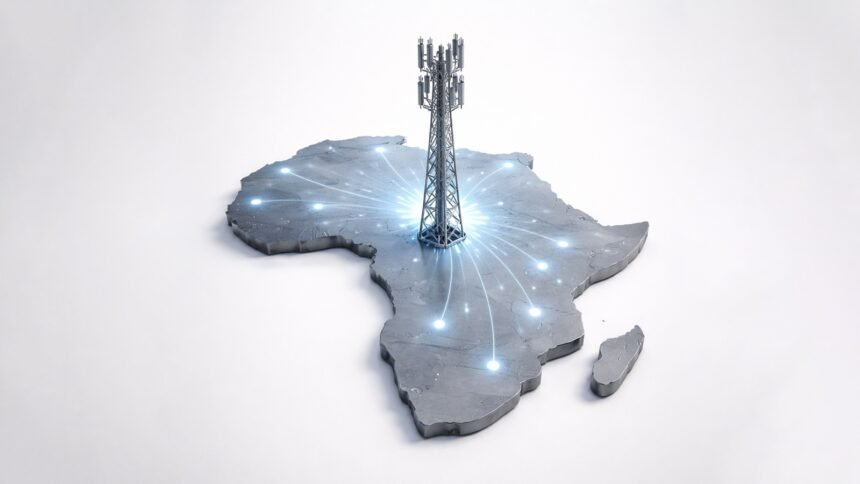
Africa’s telecommunications revolution embodies a profound assertion of digital sovereignty, in which homegrown operators reclaim control over connectivity to drive continental unity. As nations across the continent expand 5G networks and satellite backhaul, the focus sharpens on building resilient infrastructure that serves African priorities rather than external agendas. MTN Group’s strategic realignment exemplifies this sovereignty. After years of ventures beyond Africa’s borders, the continent’s largest mobile operator by subscribers is redirecting capital and expertise squarely toward its African heartland. This pivot, sealed by the formal exit from Syria in early 2026, reinforces a Pan-African ethos in which telecom investments strengthen intra-continental ties, empower local economies, and reduce exposure to distant regulatory and geopolitical risks. Through Vodacom partnerships and domestic expansions, MTN now anchors a vision of connectivity that places African users, innovators, and markets at the centre.
Telecommunications Sector in Africa: Engines of Transformation
The telecommunications sector in Africa has evolved into a formidable engine of transformation, connecting over 1.2 billion mobile subscriptions while pushing internet penetration beyond 40 percent in key markets. Rapid 5G rollouts in South Africa, Nigeria, Kenya, and Ghana, combined with fixed wireless access and satellite solutions, are closing rural-urban gaps and powering fintech, e-commerce, and agritech. Operators invest billions annually in network densification and spectrum acquisition, creating millions of direct and indirect jobs. Yet the sector’s true power lies in its multiplier effects: mobile money platforms process trillions in transactions yearly, while data services fuel digital entrepreneurship among Africa’s youth. As global players like Amazon and Leo partner with local operators, Africa’s telecom landscape shifts from an import-dependent to an innovation-driven landscape, laying the foundations for a truly sovereign digital economy that serves the continent’s 1.4 billion people.
Leading Telecommunications Companies in Africa: Regional Powerhouses
Africa’s leading telecommunications companies have matured into regional powerhouses, each carving distinct paths through competition and collaboration. MTN dominates subscriber numbers across multiple markets, delivering superior median speeds in several countries, while Airtel Africa pursues aggressive expansion and fintech integration. Orange maintains strong footholds in West and North Africa, and Vodacom, through its Vodafone alliance, pioneers hybrid satellite-terrestrial solutions for remote coverage. These giants compete fiercely on pricing and coverage, yet cooperate on infrastructure sharing to reduce costs. Their collective scale has transformed Africa into one of the world’s fastest-growing telecom regions, with 5G standalone networks now live in over a dozen countries. Leadership increasingly hinges on local relevance: investing in African talent, supporting small enterprises, and aligning with continental free-trade goals. In this arena, MTN’s decision to consolidate within Africa signals confidence in the continent’s potential as the primary growth engine.
MTN’s Portfolio Beyond Africa: The Strategic Withdrawal
MTN’s portfolio beyond Africa once stretched across the Middle East, reflecting an earlier era of global ambition, but 2026 marks its decisive strategic withdrawal to fortify African roots. The company’s 75 percent stake in MTN Syria, abandoned in 2021 after regulatory disputes and licence guardianship, has now been formally relinquished. Syria’s Ministry of Communications launched an international tender in March 2026 for a new 20-year licence, with the winning bidder taking the 75 percent stake and Syria’s sovereign fund retaining 25 percent. MTN Group CEO Ralph Mupita met Syria’s minister at the Mobile World Congress, confirming an “imminent” exit. Earlier divestitures included complete sales in Yemen and Afghanistan, while efforts to offload the 49 percent stake in Iran remain stalled by U.S. sanctions. The 2021 deconsolidation of MTN Syria alone triggered a 4.7 billion rand loss. By streamlining beyond Africa, MTN frees capital and management focus for African 5G expansion, tower sharing, and digital services, transforming past international exposure into renewed continental strength.
AI & Data Centers in Africa: Unleashing Innovation
AI and data centres in Africa are unleashing unprecedented innovation, with telecom operators providing the high-speed backbone essential for real-time processing and edge computing. MTN’s refocused African investments accelerate this momentum by prioritising fibre, 5G, and low-latency infrastructure that support AI applications in agriculture, healthcare, and financial services. Data centres in Johannesburg, Lagos, and Nairobi already host regional cloud capacity, while satellite partnerships extend reach to underserved areas. As MTN consolidates across Africa, it channels resources into AI-driven network optimisation, fraud detection, and personalised services, creating virtuous cycles in which better connectivity attracts more data centre investment. This convergence positions Africa not as a consumer of global AI but as a co-creator, with local languages, use cases, and talent driving solutions tailored to continental realities.
Tech Infrastructure: Foundations for Inclusive Growth
Tech infrastructure forms the bedrock of inclusive growth across Africa, where operators like MTN are bridging historic divides through towers, fibre, and satellite integration. MTN’s African-centric strategy accelerates the deployment of thousands of new sites, ensuring even remote communities gain reliable 4G and 5G access. Private investments in undersea cables and terrestrial backhaul complement these efforts, while shared infrastructure models lower costs and speed rollout. The shift away from fragmented Middle East operations allows MTN to deepen African infrastructure, supporting everything from mobile money agents in rural markets to smart logistics in urban hubs. This foundational work generates employment, stimulates local supply chains, and empowers micro-entrepreneurs, turning connectivity into a powerful lever for poverty reduction and economic participation.
Policy & Safety: Safeguarding Digital Futures
Policy and safety considerations are paramount in safeguarding Africa’s digital futures, as evidenced by MTN’s experience with regulatory challenges abroad. The Syria exit and earlier Middle East divestitures highlight the risks of operating in politically volatile environments, prompting a stricter focus on stable African regulatory frameworks. Governments across the continent are harmonising spectrum policies, data protection laws, and cybersecurity standards to attract investment while protecting users. MTN and peers advocate for transparent licensing and fair competition, while investing in robust encryption and threat monitoring to counter rising cyber risks. By anchoring operations in Africa, MTN benefits from aligned policy environments under the African Continental Free Trade Area’s digital protocol, ensuring safety measures evolve alongside growth and that digital rights remain central to expansion.
Development: Telecom Driving Equitable Advancement
Telecom-driven development is propelling equitable advancement, with MTN’s African refocus amplifying impact across education, health, and financial inclusion. By concentrating investments where it holds deep market knowledge and local partnerships, MTN contributes to job creation for thousands and supports digital skills programmes that prepare youth for the future economy. Revenue from African operations funds community initiatives, tower builds in underserved areas, and partnerships that extend services to women and rural entrepreneurs. As Africa’s largest operator fully aligns with the continent, its growth directly translates into broader development outcomes: higher GDP contributions, narrower digital divides, and stronger intra-African trade enabled by seamless connectivity. This model proves that when Africa’s telecom giants prioritise the continent, they become powerful architects of shared, sustainable prosperity for generations to come.


