




Pan-African: Soccer as the Pulse of a Continent
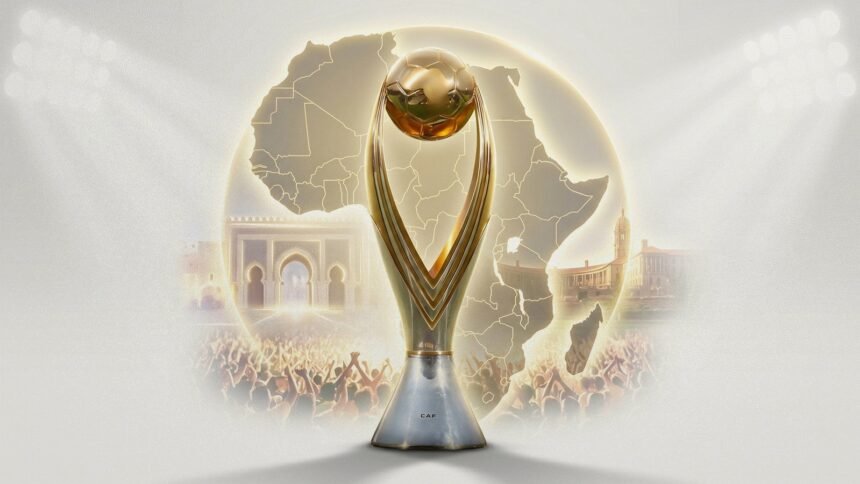
Across the African landscape, football serves as a primary vehicle for collective identity and regional pride. The African Champions League is more than a mere sporting tournament; it is a manifestation of the “Pan-African” spirit, bringing together diverse cultures under a singular competitive framework. As the 2026 season reaches its zenith, the tournament highlights the continent’s ability to host world-class events that command global attention. This shared passion for the “beautiful game” acts as a social glue, bridging linguistic and geographic divides and reinforcing a unified African narrative on the global stage.
Africa’s Champions League Outlook: A Season of Elite Convergence
A significant narrowing of the gap between the traditional powerhouses of North Africa and the rising giants of the South has defined the 2026 Champions League season. The tournament’s outlook reflects an increasingly professionalized environment where tactical sophistication and high-performance sports science have become the norm. This year, the road to the final was characterized by intense defensive discipline and the clinical execution of set pieces, signaling a shift toward a more balanced and strategic style of play that mirrors the highest levels of international club football.
Sundowns vs. Morocco’s Royal Armed Forces: The Clash of Philosophies
The final matchup presents a fascinating study in contrasting footballing philosophies. South Africa’s Mamelodi Sundowns advanced to the final following a disciplined 2-0 aggregate victory over Tunisia’s Esperance, showcasing the methodical build-up and technical precision that have become their trademark. They meet Morocco’s Royal Armed Forces, a team that demonstrated immense resilience to progress despite a 1-0 loss in the second leg against Renaissance Berkane. Having secured a 2-1 aggregate win, the Moroccan military side relies on a robust defensive structure and explosive transitions. This two-legged final next month represents a historic encounter between the tactical flair of the South and the storied “military discipline” of Moroccan football.
Tourism: The Economic Multiplier of the Final
The upcoming final acts as a significant catalyst for regional tourism and hospitality. With fans expected to travel between Rabat and Pretoria, the two-legged format creates a temporary but intense “tourism corridor.” This influx of visitors provides a substantial boost to local economies, benefiting the aviation, hotel, and service sectors. Beyond the immediate revenue, the global broadcast of the final serves as a high-profile advertisement for the infrastructure and cultural heritage of both Morocco and South Africa, positioning sports tourism as a viable pillar for sustainable economic diversification.
Football as a Unity Sport: Diplomacy in the Stadium
In a region often sensitive to geopolitical tensions, football emerges as a unique platform for inter-state diplomacy. The 2026 final facilitates a “people-to-people” exchange that transcends official diplomatic channels. When rival forces and fans meet in the stadium, the shared language of sport provides a neutral ground for mutual respect and recognition. This “unity sport” plays a vital role in de-escalating regional friction, proving that the competitive spirit of the Champions League can foster a sense of brotherhood that supports broader peace-building and reconciliation efforts across the continent.
Development: Investing in the Next Generation
The ultimate significance of the African Champions League lies in its contribution to long-term human development. The success of teams like Mamelodi Sundowns and the Royal Armed Forces is the result of sustained investment in youth academies and sports infrastructure. These institutions do more than produce elite athletes; they provide educational opportunities and life skills to thousands of young Africans. By showcasing a pathway to professional success, the final inspires a new generation to pursue excellence, ensuring that the development of the continent’s sporting talent remains a cornerstone of its broader socioeconomic advancement.