






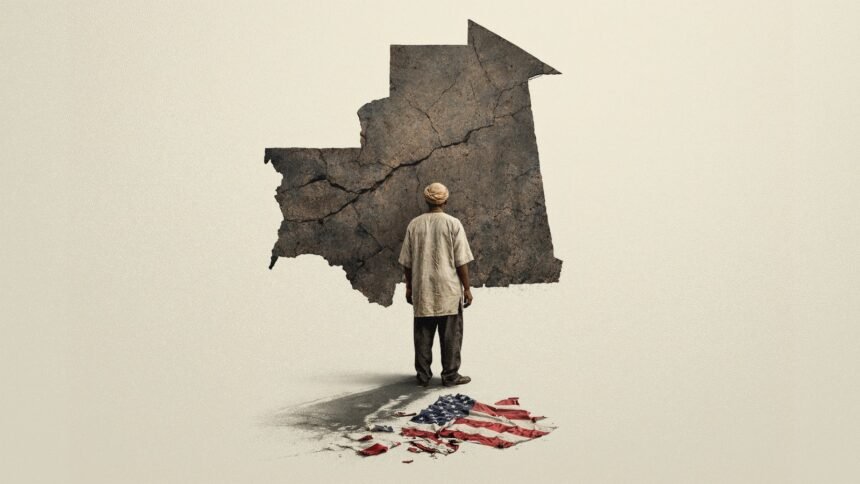
Pan-African Kinship: Solidarity Amid Forced Returns
Pan-African solidarity, a cornerstone of continental resilience forged through shared struggles against colonialism and modern inequities, faces a profound test in the era of mass deportations from the United States to Africa. Mauritania, a West African nation where ethnic divisions and persistent human rights abuses drive emigration, exemplifies this challenge. As US policies under the Trump administration accelerate removals—reaching over 340,000 in fiscal year 2025—African communities abroad rally to protect their kin, highlighting the tension between diaspora aspirations and homeland perils. Across the continent, from Nigeria’s 3,690 pending cases to Somalia’s 4,090, deportations strain Pan-African bonds, prompting calls for unified protections like Temporary Protected Status extensions and intra-African asylum frameworks to safeguard vulnerable groups like Mauritania’s Fulani.
Nouakchott’s Harsh Realities: Mauritania’s Ethnic Fault Lines
Mauritania’s social landscape remains scarred by deep ethnic rifts, with Arab-Berber elites dominating governance while Black African groups, including the Fulani, endure systemic marginalization. Despite formal abolition in 1981, slavery persists, ensnaring an estimated 149,000 individuals—predominantly Black—in forced labor and hereditary bondage. Racism permeates daily life: Black Mauritanians face arbitrary detentions, land seizures, and barriers to education and resources, evoking apartheid parallels. Dissent is swiftly crushed, as seen in musician Khalidou Sy’s arrest for criticizing electricity shortages—a “close call” in a segregated society. These realities propel migration: thousands undertake grueling journeys via Turkey, Colombia, the Darién Gap, and Arizona borders, seeking asylum from a regime intolerant of critique. Yet, returns expose deportees to reprisals, with confirmed jailings upon arrival, underscoring Mauritania’s failure to uphold fundamental freedoms.
Repatriation Surge: Deportations’ Escalating Impact
Deportations from the US to Mauritania have surged in 2025, with at least 90 removals since Trump’s inauguration, part of a broader African tally that has tripled under intensified enforcement. Pending immigration cases for Mauritanian nationals exceed 19,000—the second highest among African countries—driven by asylum denials and routine check-ins turning into detentions, as in Cleveland. Many deportees lack criminal records, contradicting US claims of targeting threats; data shows 65-93 percent are non-criminals. This surge aligns with third-country pacts—$5 million to Eswatini, $7.5 million to Rwanda—externalizing burdens, though Mauritania absorbs its nationals directly. In Ohio’s Lockland, a 3,500-strong community—drawn by affordable housing and jobs—now lives in fear, with friends vanished after appointments, disrupting integration and economic contributions.
Bilateral Burdens: Africa-US Migration Dynamics
Africa-US migration ties, historically rooted in colonial legacies and economic pull factors, now strain under deportation diplomacy. The US has inked deals with over 50 African nations, using financial incentives to secure receptions for non-citizens, amplifying pressures on Mauritania to accept its own amid human rights concerns. Mauritanian flows—often Fulani fleeing persecution—intersect with US policies pausing immigration from high-risk countries, including Mauritania, while revoking protections. Communities like Lockland’s evolve from initial strains (overcrowding, norm adjustments) to vital contributors—via manufacturing and food processing—yet face vilification from right-wing media, fueling Trump’s crackdown. These dynamics reveal asymmetries: US expediency trumps African sovereignty, fostering resentment and calls for reciprocal accountability.
Asylum Crossroads: Immigration Pathways and Perils
Mauritanian immigration to the US follows perilous crossroads: from desert borders through armed robberies in Central America to asylum filings in Arizona. In Cincinnati suburbs like Lockland—median income 60 percent of national averages—arrivals find refuge in affordable housing and entry-level jobs, adapting via community networks and initiatives like bike workshops aiding 400-500. Work permits enable progress: cars, rentals, taxes—yet asylum seekers’ wait times exceed a year, exposing vulnerabilities. Broader African patterns mirror this—Nigerians, Ghanaians—yet Mauritanians’ surge stems from acute abuses, with US enclaves offering fragile stability amid deportation fears, disrupting family ties and economic remittances.
Dignity Imperiled: Human Rights in Repatriation’s Grip
Human rights lie imperiled in US-Mauritania deportations, where returns violate non-refoulement by exposing individuals to slavery, racism, and arbitrary detention. Deportees face incarceration upon arrival without due process, thereby amplifying trauma from journeys marked by Darién dangers. In the US, rights erode through infractions leading to custody, separating families, and erasing contributions. Pan-African advocates urge TPS designations for Mauritania, akin to halted programs for Ethiopians and Somalis, to protect against conflict and instability. Broader implications—hunger strikes in Eswatini and famine in South Sudan—underscore a hemispheric crisis, demanding rights-centered reforms over expediency in enforcement.


