






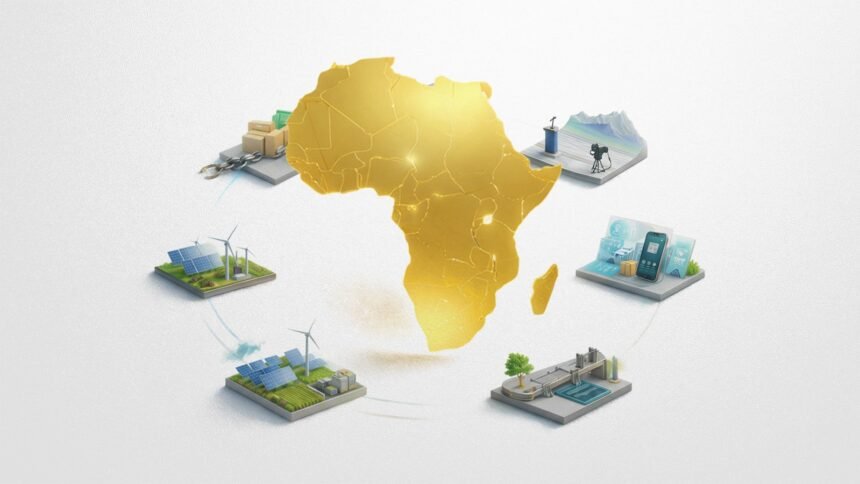
Pan African Unity: Forging Collective Pathways
In an era marked by geopolitical fragmentation and economic realignment, Africa’s pursuit of unified strategies emerges as a linchpin for resilience. The continent’s leaders emphasize intra-African collaboration, with frameworks such as the African Continental Free Trade Area serving as cornerstones. This initiative, now advancing toward full operationalization, aims to integrate diverse markets, boosting trade volumes and fostering shared prosperity. By harmonizing regulations and reducing barriers, it positions Africa to capitalize on its demographic strengths, a youthful population exceeding 1.4 billion, transforming potential vulnerabilities into engines of innovation.
Historical patterns of external dependency are giving way to endogenous growth models. Regional blocs, from the East African Community to the Economic Community of West African States, prioritize joint infrastructure projects and policy alignment. These efforts mitigate risks from global shocks, such as fluctuating commodity prices and climate disruptions, while amplifying bargaining power in international arenas. The narrative shifts from aid reliance to self-determination, with an emphasis on value addition in sectors such as minerals and agriculture. This unity not only enhances economic sovereignty but also amplifies Africa’s voice in global dialogues, ensuring that continental agendas drive equitable outcomes.
Davos Dialogues: Africa’s Spotlight Emerges
The World Economic Forum’s 2026 gathering in Davos, themed around fostering dialogue amid contestation, provided a pivotal platform for African perspectives. Sessions dedicated to the continent’s role in the new economy highlighted its leapfrogging potential through digital and green transitions. Keynotes featured prominent figures, including presidents and ministers, who articulated visions for inclusive growth. Discussions underscored Africa’s strategic importance, from harnessing artificial intelligence to scaling social enterprises, drawing global attention to its untapped markets.
Notable panels explored job creation amid urbanization, with Africa’s youth bulge positioned as a catalyst for innovation. Leaders from Sierra Leone, Egypt, and the Democratic Republic of Congo championed reforms, while multilateral representatives advocated for deeper integration. Side events, such as those hosted by financial institutions, focused on practical solutions like cross-border payments and climate financing. This convergence in Davos signaled a departure from peripheral participation, placing Africa at the forefront of debates on global resilience and prosperity.
Economic Opportunities: Unleashing Continental Potential
Africa’s economic landscape offers ample expansion opportunities, particularly in emerging sectors aligned with global shifts. The digital economy stands out, with initiatives in fintech and e-commerce projected to generate millions of jobs. Investments in artificial intelligence and biotechnology offer pathways to diversify beyond commodities, enhancing competitiveness in value chains. Critical minerals, abundant across the continent, present opportunities in the green transition, fueling demand for batteries and renewables.
Trade liberalization under continental agreements unlocks markets, enabling small enterprises to scale regionally. Agriculture, bolstered by climate-smart practices, holds promise for food security and exports. Creative industries, from film to fashion, tap into cultural exports, while infrastructure corridors facilitate logistics. These opportunities, if seized through targeted reforms, could propel annual growth rates to 6-7 percent, creating sustainable livelihoods and attracting foreign direct investment in priority areas such as energy and manufacturing.
Cooperation Imperatives: Building Global Bridges
Strategic partnerships form the bedrock of Africa’s economic ascent, emphasizing mutual benefits over unilateralism. Engagements with major economies focus on technology transfers and joint ventures, fostering knowledge exchange. Multilateral forums advocate for fair trade rules to address asymmetries that hinder progress. Collaborative efforts in health and education amplify human capital, while regional alliances strengthen supply chain resilience.
International financial institutions play a crucial role by channeling resources into infrastructure and innovation. Public-private synergies drive projects in renewables and digital connectivity, ensuring inclusive participation. By prioritizing dialogue, Africa cultivates alliances that respect sovereignty, turning global challenges into shared opportunities for advancement.
Development Horizons: Sustainable and Inclusive Trajectories
Africa’s development narrative pivots toward sustainability, integrating environmental stewardship with economic ambitions. Investments in renewable energy address access gaps, powering industrialization while mitigating climate impacts. Agro-industrial zones enhance food systems, promoting resilience against shocks. Digital platforms democratize services across finance and education, empowering marginalized communities.
Policy reforms emphasize skills development and align education with market needs to harness the youth dividend. Health initiatives, including vaccine equity, bolster workforce productivity. These horizons envision a continent where growth is equitable, reducing inequalities and fostering social stability through targeted interventions.
Debt Relief Pathways: Easing Burdens for Growth
Alleviating debt constraints remains essential to unlocking Africa’s potential and enabling reinvestment in critical sectors. Calls for restructuring frameworks are gaining traction, advocating concessional terms and moratoria to free up fiscal space—innovative mechanisms, such as debt-for-nature swaps, link relief to environmental commitments, yielding dual benefits.
Multilateral advocacy pushes for fairer lending practices to reduce vulnerabilities from high-interest obligations. By easing these burdens, nations can prioritize infrastructure and human development, accelerating recovery and positioning for long-term expansion. This pathway underscores the need for global solidarity, transforming debt challenges into catalysts for renewed vitality.


