






Casamance’s Ethical Echo: Pan-African Research Solidarity
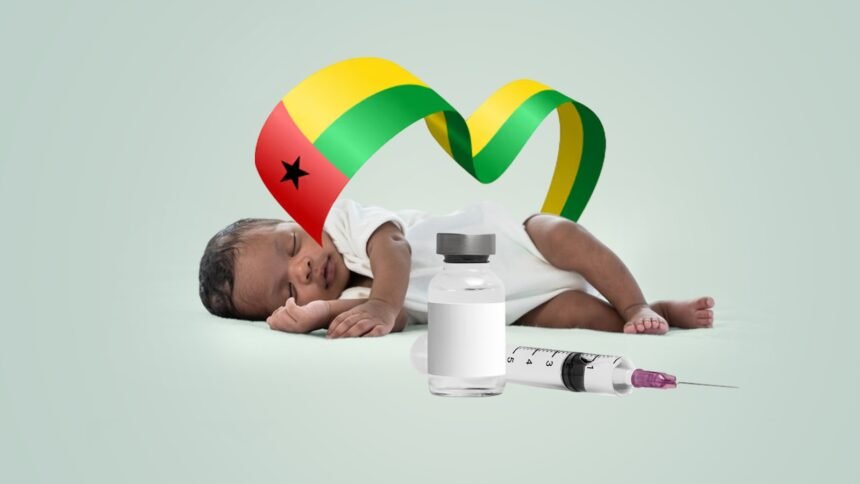
In the mosaic of Pan-African health endeavors, the suspension of a U.S.-funded hepatitis B vaccine study in Guinea-Bissau reverberates as a testament to collective vigilance, where continental unity bolsters national decisions on scientific pursuits. As 2026 unfolds, this West African nation, grappling with 60% poverty and high hepatitis burdens, asserts its right to scrutinize foreign-led trials, aligning with broader African calls for equitable, rights-respecting research. The study, poised to enroll 14,000 newborns, aimed to assess the vaccine’s impacts by delaying administration in half the cohort, igniting debates on withholding proven protections in vulnerable settings. This Pan-African moment, amplified by Africa Centres for Disease Control and Prevention’s intervention, underscores a shift toward self-determined health agendas, where solidarity from Addis Ababa to Dakar fortifies defenses against exploitative inquiries, ensuring advancements serve rather than subvert continental well-being.
Bissau’s Bold Break: West African Pause on Vaccine Inquiry
Guinea-Bissau’s decision to suspend the hepatitis B newborn vaccine study marks a pivotal assertion in West Africa’s health landscape, where endemic diseases like hepatitis intersect with global research ambitions. Announced on January 23, 2026, by Health Minister Quinhin Nantote, a military doctor appointed after the November coup, the halt stems from inadequate scientific review, prompting a technical reassessment with Danish and U.S. input. The $1.6 million initiative, overseen by the U.S. Health and Human Services under Robert F. Kennedy Jr. sought to randomize infants, vaccinating some at birth and others at six weeks without maternal screening, in a nation where hepatitis prevalence hits 10%, and infant mortality looms large. West African contexts amplify concerns: similar burdens in Senegal and Gambia highlight risks of delayed immunization, potentially exposing thousands to liver disease. This break amid political transitions reflects regional resilience, as nations like Mali and Burkina Faso echo calls for trials attuned to local realities and for safeguarding infants from unintended harms in resource-scarce terrain.
Praia’s Public Priorities: Public Health Ethics in the Spotlight
Public health ethics take center stage in Guinea-Bissau’s suspension, prioritizing infant safety over expedited research amid proven vaccine efficacy. The study design, delaying birth dose for half the participants, clashed with WHO guidelines recommending immediate administration to avert 95% of perinatal transmissions, raising alarms over unnecessary exposure in a high-burden setting. Public health imperatives demand balance: while probing non-specific vaccine effects could inform schedules, withholding established protections in poverty-stricken cohorts contravenes do-no-harm principles. Guinea-Bissau’s pause invites scrutiny of consent processes, community engagement, and long-term monitoring to ensure public trust in health interventions. Across West Africa, this spotlight fosters robust frameworks that integrate ethical boards with community voices, as in Nigeria’s hepatitis campaigns, to align research with the public good, transforming potential pitfalls into platforms for ethical advancement.
Atlantic Alliance Strain: Africa-US Research Dynamics Tested
The suspension strains Africa-US research dynamics, where collaborative intents collide with perceptions of overreach, testing partnerships forged in mutual health goals. U.S. officials, insisting the trial proceeds post-revisions, question Africa CDC’s credibility, yet Guinea-Bissau’s sovereignty prevails, inviting joint reviews to bridge divides. Funded under HHS’s vaccine-sceptic leadership, the study, led by Danish experts, aimed to explore broader immunological impacts, but ethical red flags, including unscreened mothers and a five-year follow-up, evoked historical mistrust of foreign trials. Africa-US ties, vital for initiatives like PEPFAR’s hepatitis integrations, now pivot toward equitable models: shared protocols, technology transfers, and co-ownership, as seen in U.S.-Cameroon malaria pacts. This strain, amid Trump-era aid cuts, urges recalibration, fostering alliances in which African agency steers inquiries and ensuring benefits flow bidirectionally across the Atlantic.
Sovereign Sentinel Stand: Sovereignty’s Role in Health Governance
Sovereignty stands as a sentinel in Guinea-Bissau’s study halt, affirming national authority over external health inquiries in a post-colonial era. Minister Nantote’s declaration, “It’s the sovereignty of the country,” echoes a doctrine where governments dictate research terms, suspending the trial pending rigorous ethical vetting. This stand, supported by Africa CDC’s expert dispatch, counters U.S. pushback, emphasizing that decisions rest with host nations, not funders. Sovereignty’s invocation protects against perceived exploitation: in Guinea-Bissau, where coups and instability heighten vulnerabilities, it ensures trials respect local laws and cultural norms. Continent-wide, this sentinel inspires: AU frameworks empower states like Ethiopia in Marburg responses, weaving sovereignty into health governance, where autonomy safeguards against undue influence, fortifying Africa’s self-determined path to wellness.
Infant Immunity Imperative: Protection Priorities in Vaccine Pauses
Protection priorities underpin the suspension, centering infant immunity in ethical deliberations amid Guinea-Bissau’s high hepatitis stakes. Halting the study averts potential harms from delayed vaccination, prioritizing proven safeguards over exploratory data in a nation rolling out universal newborn doses by 2027. This imperative extends to maternal health: unscreened pregnancies risk vertical transmission, underscoring the need for integrated care. Protection’s lens demands redesigns: incorporating birth-dose for all, robust monitoring, and community consent, aligning with WHO’s equity calls. In West Africa, this pause catalyzes protections: Senegal’s screening expansions, Gambia’s vaccine drives, ensuring research enhances rather than endangers. Ultimately, the imperative transforms pauses into progress, where infant lives, fragile yet foundational, guide ethical protections, nurturing a healthier horizon for Africa’s youngest.


