




Solidarity’s Spectrum: Pan-African Debt and Conflict Currents
Africa’s debt and conflict currents surge across a solidarity spectrum where Mozambique’s persistent fiscal strains exemplify the continent’s intertwined challenges of hidden legacies, insurgency disruptions, and reform imperatives amid a $90-95 billion external repayment wall in 2026. Sub-Saharan liabilities of $707 billion continue to siphon 15% of revenues across 38 nations, diverting resources from the SDGs and amplifying vulnerabilities in resource-rich yet fragile economies. Mozambique’s 2016 hidden-debt scandal, once shattering investor confidence, continues to echo in ongoing pressures, compounded by delayed major gas projects in the north that promised export and revenue windfalls. In this Pan-African spectrum, rebellion in Cabo Delgado has not only stalled LNG developments but also deepened the drag of debt on public spending, mirroring regional fault lines from Congo’s 97% debt-to-GDP woes to Ghana’s hard-won disinflation. Yet, solidarity currents flow through AfCFTA’s projected $650 billion uplift by 2043 and BRICS partnerships, offering pathways to counter US tariff spillovers and global energy shocks. Mozambique’s recent hiring of specialized advisors signals a strategic pivot toward sustainable management, underscoring how collective African resilience can transform debt reckonings into shared horizons of stability and growth.
Maputo’s Mandate: Mozambique’s Debt Crisis Unfolding
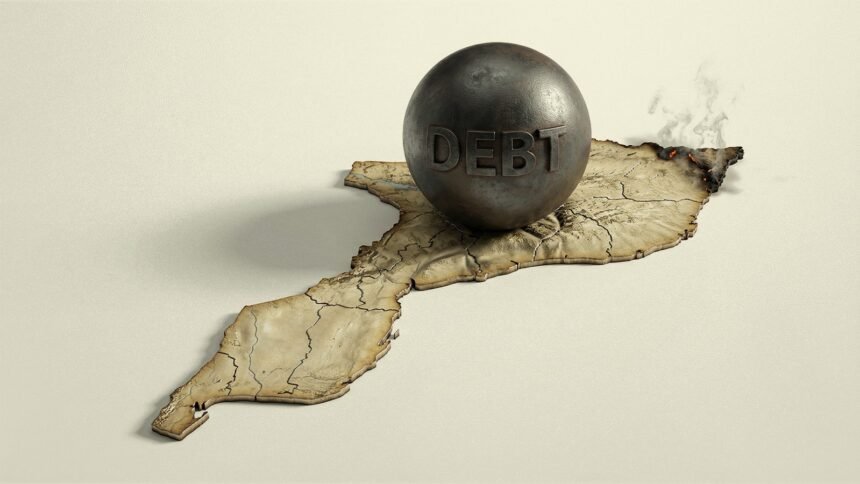
Mozambique’s debt crisis unfolds under Maputo’s mandate with renewed urgency, as public debt climbed 6.8% in 2025 to 474.0 billion meticais ($7.49 billion), exerting relentless pressure on public spending and development priorities. The crisis traces its roots to the 2016 revelations of hidden debt that eroded investor trust and curtailed access to international markets, leaving fiscal space constrained even as commodity revenues from gold, gas, and agriculture offered potential relief. Delays to pivotal gas projects, once envisioned as transformative engines for exports and government finances, have exacerbated the burden, forcing difficult choices between debt servicing and essential investments in infrastructure and social services. Maputo’s mandate now centers on the 2025-2029 public debt strategy, emphasizing transparency, risk mitigation, and creditor engagement to restore credibility. Regional CEMAC and SADC dynamics amplify the unfolding narrative: tight liquidity and rollover risks mirror those in neighboring economies, while broader African debt distress demands coordinated responses. In Maputo’s mandate, the crisis evolves from legacy shadows into an opportunity for disciplined reform, positioning Mozambique to navigate external headwinds toward fiscal equilibrium.
Insurgency’s Grip: Rebellion’s Toll on Fiscal Foundations
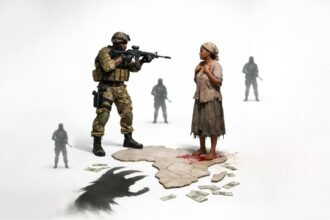
Rebellion’s grip tightens Mozambique’s fiscal foundations, as the ongoing insurgency in Cabo Delgado continues to exact a heavy toll on debt sustainability and economic momentum. The conflict has repeatedly disrupted major gas projects in the north. These projects were poised to deliver substantial export revenues and bolster government finances, but cascading delays compounded the debt burden inherited from the 2016 scandal. Insurgency-driven instability not only deters investment but also inflates security expenditures, crowding out allocations for health, education, and infrastructure while heightening rollover vulnerabilities in an already strained portfolio. Fiscal foundations weaken further amid global shocks, including energy price volatility from the Iran conflict, which ripples through import-dependent economies. Rebellion’s toll thus extends beyond immediate violence to erode long-term growth prospects, with public debt’s upward trajectory underscoring the intertwined threats of conflict and indebtedness. Yet resilience emerges through targeted advisory support and strategic creditor negotiations, aimed at safeguarding macroeconomic stability. In the grip of insurgency, Mozambique confronts a defining test: transforming the shadow of rebellion into a catalyst for stronger foundations and inclusive recovery.
Advisory Horizon: Alvarez & Marsal’s Debt Management Path
Alvarez & Marsal’s debt management path charts a pragmatic advisory horizon for Mozambique, where the France-based firm’s specialized expertise is now deployed to implement the 2025-2029 public debt strategy with precision and foresight. Hired to deliver technical assistance on restructuring, creditor negotiations, and portfolio risk enhancement, the consultants aim to bolster institutional capacity within the Ministry of Finance while restoring international market credibility. This path builds directly on cabinet authorization from late last year, focusing on sustainable practices that address legacy hidden-debt issues and current pressures from delayed gas revenues. The advisory horizon emphasizes prudent fiscal policies to ease public spending constraints, improve transparency, and mitigate rollover risks in a tightening global credit environment. Regional parallels, such as Gabon’s recent IMF overtures and Congo’s warnings of worsening strains, highlight the value of external expertise in navigating CEMAC and Southern African fiscal challenges. In Alvarez & Marsal’s path, Mozambique gains a structured route from crisis management to long-term solvency, where technical guidance aligns with domestic priorities to unlock broader financial resilience.
Creditor Crossroads: Restructuring and International Engagement
Creditor crossroads present Mozambique with pivotal restructuring opportunities and international engagement imperatives, as negotiations now seek to realign debt obligations with growth realities amid project delays induced by rebellion. The 2016 scandal’s aftermath left markets wary, yet the 2025 debt rose to $7.49 billion, underscoring the need for comprehensive talks that enhance the portfolio’s risk profile and secure concessional terms. International engagement, through multilateral partners and bilateral creditors, becomes central to restoring access to funding, with Alvarez & Marsal’s role facilitating transparent dialogues that prioritize sustainability over short-term relief. Crossroads tensions arise from global fragmentation: US tariff policies and energy shocks add external pressures, while BRICS avenues offer diversification. Successful restructuring would not only ease immediate fiscal strains but also signal renewed investor confidence, mirroring Ghana’s disinflationary trajectory. In creditor crossroads, Mozambique stands at a juncture where proactive engagement can convert debt vulnerabilities into platforms for equitable development and regional stability.
Resilience’s Rise: Development Beyond Debt and Instability
Development’s resilience rises beyond debt and instability as Mozambique harnesses advisory reforms and conflict mitigation to unlock inclusive pathways for its people. With public debt management gaining strategic focus, fiscal space can expand for critical investments in education, health, and diversified non-gas sectors, countering the insurgency’s drag on northern provinces and the 2016 scandal’s long shadow. Resilience’s rise draws strength from Pan-African solidarity, AfCFTA integration, SADC cooperation, and shared lessons from peers on continental debt, positioning Mozambique to convert its gas potential into sustainable revenue once stability returns. Infrastructure upgrades, agricultural modernization, and youth empowerment programs become feasible as market credibility improves, fostering job creation and poverty reduction. Yet, the path demands vigilant governance to prevent the recurrence of hidden liabilities and to address the root causes of rebellion through dialogue and development. In resilience’s rise, development transcends debt and instability, illuminating a future in which Mozambique’s rich resources and strategic location drive equitable prosperity amid Africa’s broader ascent.