




Pan African Resolve: Continental Response to Deportation Waves
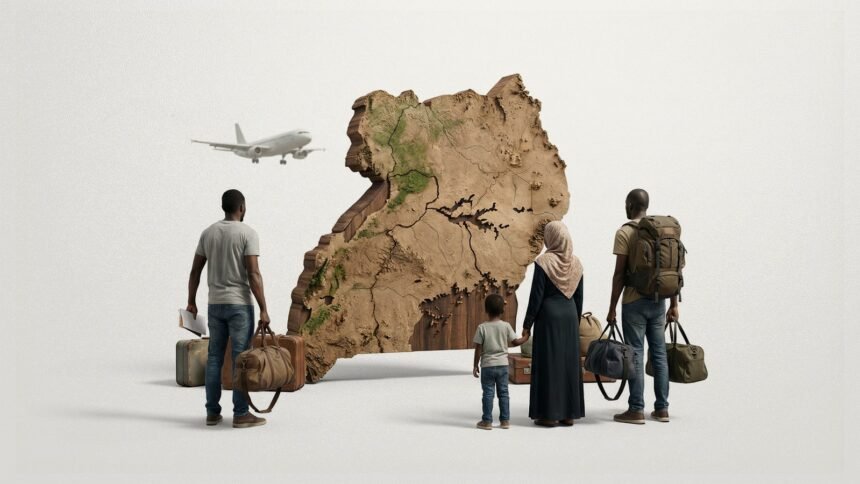
Pan Africanism, the enduring commitment to collective dignity and self-determination, confronts a defining moment with the arrival of 12 US deportees in Uganda on April 2, 2026. This marks the first operational transfer under a bilateral Safe Third Country Agreement signed in August 2025, positioning Uganda as a destination for migrants that the United States cannot repatriate to their countries of origin. The Uganda Law Society has condemned the process as “undignified, harrowing and dehumanizing,” announcing plans to challenge its legality in court. Across the continent, from Eswatini’s eight-month detentions of Cuban, Jamaican, and Yemeni nationals to Cameroon’s secret January 2026 reception of nine protected migrants, US third-country deportations test African unity. These actions, part of a broader surge exceeding 340,000 removals in fiscal year 2025, compel Pan-African institutions to reaffirm solidarity: not as passive recipients but as architects of humane reintegration frameworks that honor returning kin.
USA Deportations to Africa: Expanding Third-Country Routes
US deportations to Africa have evolved into a sophisticated network of third-country routes, bypassing origin-country refusals through financial and diplomatic incentives. Uganda joins Ghana, South Sudan, Cameroon, and Eswatini in accepting non-nationals, with the latest group arriving at Entebbe International Airport under conditions the Law Society describes as lacking transparency. A senior Ugandan official confirmed that the deportees remain in a “transition phase” for onward movement, while the US Embassy in Kampala emphasized full cooperation under the bilateral pact. Nationalities remain undisclosed, but precedents include post-sentence individuals from Latin America, the Caribbean, and the Middle East. These routes, often executed via chartered flights from hubs like Alexandria, Louisiana, highlight a policy shift: expedited removals for those with removal protections, circumventing US court orders and international norms. Uganda’s role, already hosting nearly 2 million refugees from South Sudan and Congo, underscores the strain on African states absorbing Northern burdens without commensurate support.
Africa’s Returnee Outlook: Challenges of Reintegration
Africa’s returnee outlook reveals profound challenges in transforming forced arrivals into opportunities for communal renewal. The 12 deportees, like earlier cohorts in Eswatini facing hunger strikes and indefinite holds, enter environments unprepared for their specific needs, language barriers, trauma from US detention, and severed ties to home countries. Uganda’s existing refugee infrastructure, praised for self-reliance models that achieve 65-70 percent employment in camps like Nakivale, offers a foundation but faces overload. Economic pressures, youth unemployment at 40 percent, and social frictions risk xenophobia, as seen in local complaints over resource competition. Yet, the outlook holds promise: returnees bring skills from the US manufacturing and service sectors, potentially bolstering Uganda’s agricultural cooperatives or urban enterprises. Pan-African foresight demands proactive policies, trauma-informed reception, vocational matching, and diaspora-linked remittances—to convert returns into assets rather than liabilities.
Uganda as a Refugee Hub: From Host to Transit Point
Uganda, long Africa’s exemplary refugee hub with progressive policies granting work rights and land access, now navigates a shift from generous host to strategic transit point. Hosting 1.5-2 million displaced persons, the nation has pioneered integration, with self-reliance rates far surpassing global averages. The new US agreement, however, introduces non-regional deportees into this ecosystem, raising questions about capacity and precedent. The Law Society’s intervention signals civil society’s vigilance, ensuring arrivals receive due process amid “transition” phases. Uganda’s clarification, no acceptance of criminals or unaccompanied minors, preference for African descent, reflects careful calibration, yet the broader influx tests infrastructure already strained by regional conflicts. As a hub, Uganda models continental leadership by leveraging UNHCR and IOM partnerships for oversight while advocating for equitable burden-sharing in African Union forums.
Human Rights & International Law: Legal Scrutiny of Arrivals
Human rights and international law provide the lens for scrutinizing these arrivals, with the Uganda Law Society’s impending court challenge invoking the prohibitions on non-refoulement and arbitrary detention. Deportees, often protected in US courts against return to persecution, arrive in unfamiliar territory without personal connections, raising refoulement risks under the 1951 Refugee Convention and African Charter. Indefinite holds in transitional facilities echo Eswatini cases, where hunger strikes highlighted dignity violations. The bilateral pact’s opacity, its lack of public terms, breaches transparency standards, while US secrecy around flights contravenes due process. African legal bodies, including the African Commission on Human and Peoples’ Rights, must enforce accountability, ensuring deportees access to lawyers, health screenings, and voluntary return options. This scrutiny upholds the rule of law, preventing Africa from becoming an extension of Northern enforcement without safeguards.
Solidarity & Integration: Forging Pathways for Newcomers
Solidarity and integration emerge as the ethical counterweight, transforming the arrival of deportees into opportunities for Pan-African renewal. Uganda’s history of welcoming refugees offers a blueprint: community sponsorships, micro-enterprise grants, and cultural orientation programs that achieve high sustainability rates. The Law Society’s advocacy underscores the need for inclusive pathways, legal aid for status determination, skills transfer from US-experienced deportees, and kinship networks blending newcomers into local cooperatives. Broader solidarity demands AU-coordinated funds for integration, shielding hosts from unilateral burdens. By prioritizing dignity over detention, African nations forge pathways that honor returnees as contributors, not burdens, reaffirming that true solidarity integrates the displaced, strengthens communities, and reclaims migration as a shared continental strength.