

Pan African: Resource Governance as a Continental Mandate
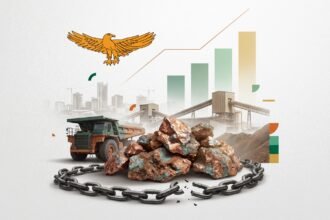
Across the African landscape, the management of extractive industries remains the ultimate test of sovereign agency and economic self-determination. For South Sudan, the continent’s youngest nation, the petroleum sector is not merely an industrial asset but the primary engine of statehood. The Pan-African imperative in 2026 demands that resource wealth be decoupled from legacy models of exploitation and re-anchored in frameworks of transparency and national interest. As African nations increasingly assert their rights to oversee foreign concessions, the struggle for “crude sovereignty” becomes a benchmark for the continent’s broader effort to ensure that natural capital translates into tangible developmental gains for its people.
South Sudan’s Economy Outlook: The Vulnerability of Monoline Revenue
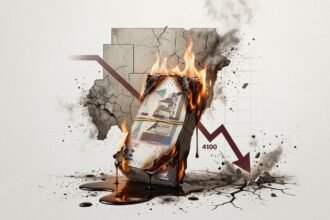
The economic outlook for South Sudan in 2026 is defined by an acute dependence on petroleum, which remains the nation’s overwhelming source of revenue. This monoline fiscal structure leaves the republic exceptionally vulnerable to global energy volatility and regional instability. While the commencement of new exploration phases offers the promise of growth, the current outlook is shadowed by the high costs of transporting crude via northern pipelines and by persistent inflationary pressures in the domestic market. The 2026 horizon necessitates a radical fiscal diversification strategy to protect the national treasury from the “boom and bust” cycles that have historically characterized the global oil trade.
Oil & Non-Oil Trade: The Challenge of Economic Diversification
South Sudan’s trade profile is characterized by a stark imbalance between its dominant oil exports and a negligible non-oil sector. While petroleum drives the formal economy, the non-oil trade, primarily agriculture and livestock, remains largely informal and hampered by a lack of processing infrastructure. The regional energy shocks of 2026 have increased the cost of importing essential goods, further widening the trade deficit. Achieving a balanced trade portfolio requires utilizing oil rents to fund the “Green Revolution” in the agricultural belt, ensuring that the nation can feed itself and export value-added products to its neighbors, thereby reducing its existential reliance on a single, finite commodity.
Political Unrest & Struggles in Democracy: The Impact on Industrial Stability
The petroleum sector operates within a complex political landscape defined by a “struggling democracy” and the persistent threat of localized unrest. The interplay between political factions often manifests in the management of oil blocks, where territorial control is inextricably linked to resource access. This environment creates significant operational risks for personnel and infrastructure, leading to frequent “force majeure” declarations. The transition to a stable democratic order is a prerequisite for industrial maturity; without a cohesive political framework, the nation’s mineral wealth risks becoming a driver of further fragmentation rather than a foundation for national unity.
Corruption & Foreign Investment: Reforming the Regulatory Gateway
Perceptions of institutional fragility and systemic corruption have historically complicated the influx of foreign investment in South Sudan’s oil sector. To attract the next generation of regional and international oil majors, the government is increasingly focusing on the “regulatory gateway.” In late April 2026, the Ministry of Petroleum demonstrated a new commitment to performance-based oversight by announcing it would not renew the Block B3 license of Nigerian firm Oranto Petroleum. A six-year review concluded that the company had failed to meet seismic and drilling obligations. By opening such blocks to new, qualified applicants, the state is signaling that “foreign investment” must be matched by “industrial performance,” moving away from speculative concessions toward active, value-generating partnerships.
AU-UN Efforts: Multilateral Oversight and Peacebuilding
The African Union (AU) and the United Nations (UN) remain vital partners in safeguarding South Sudan’s resource corridors. Multilateral efforts are focused on ensuring that oil revenues are managed through transparent accounts to prevent their diversion into conflict financing. AU-UN peacekeeping missions provide the necessary security scaffolding for critical infrastructure, while technical advisors work with the petroleum ministry to align domestic laws with international standards. These efforts are part of a broader “Peace through Prosperity” mandate, recognizing that the equitable management of oil wealth is the most effective deterrent against the resurgence of civil conflict.
East African Community Trade: Regional Integration and Logistical Hubs
As a member of the East African Community (EAC), South Sudan is increasingly integrating its oil trade into a regional logistical framework. The pursuit of alternative export routes, including potential links to the Lamu Port-South Sudan-Ethiopia-Transport (LAPSSET) corridor, represents a strategic move toward regional inter-dependence. By aligning its trade policies with the EAC, South Sudan can access a larger market for its refined products and benefit from shared infrastructure investments. This regional integration is essential for lowering the cost of doing business and ensuring that the nation’s petroleum sector serves as a bridge to its East African neighbors.
The Way Forward: Toward a Transparent and Resilient Energy Future
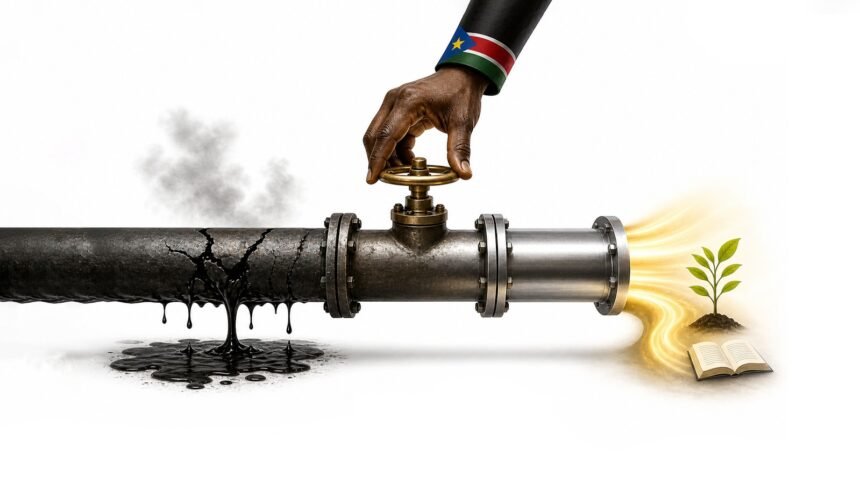
The way forward for South Sudan’s petroleum sector requires a dual commitment to regulatory rigor and fiscal transparency. Reclaiming the future of the national economy starts with the professionalization of the Ministry of Petroleum and the strict enforcement of Exploration and Production Sharing Agreements (EPSA). The decision to reclaim Block B3 for the “best interest of the country” marks a turning point in national resource management. Ultimately, a resilient energy future depends on the state’s ability to transform oil into human capital by investing in education and infrastructure that will eventually allow a diversified, non-oil economy to thrive. Success in 2026 will be defined by whether South Sudan can turn its iron pipes into a foundation for lasting, inclusive peace.