



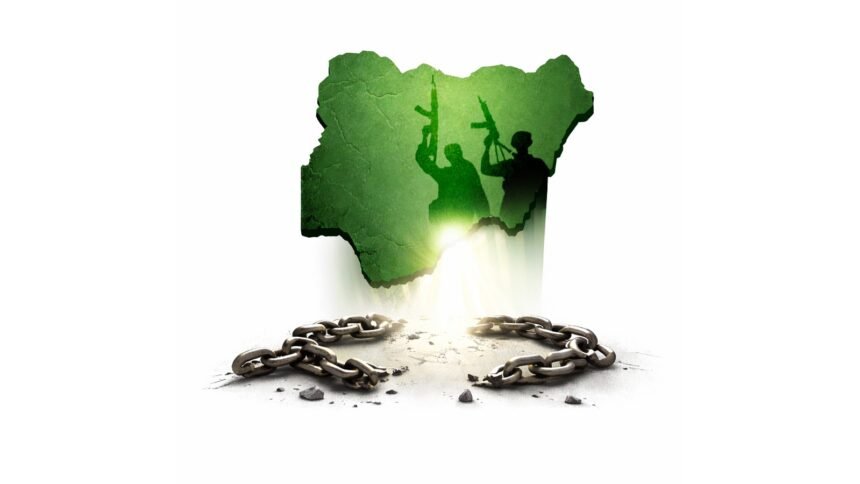
In the shadowed frontiers of northeastern Nigeria, where the specter of insurgency looms large, the Nigerian government has waged a relentless campaign to reclaim lives ensnared by Boko Haram’s terror. This Islamist militant group, infamous for its doctrine of rejecting Western education and imposing radical ideologies, has perpetrated mass abductions that have scarred communities and drawn global condemnation. Yet, amid the turmoil, Nigeria’s security apparatus has demonstrated resilience through a blend of military prowess, diplomatic maneuvers, and regional alliances. This article delves into the government’s multifaceted efforts to free hostages, highlighting triumphs and ongoing hurdles in a saga that underscores the nation’s commitment to protecting its citizens.
Pan-African Solidarity in Nigeria’s Counter-Terror Arsenal
The fight against Boko Haram transcends Nigeria’s borders, embodying a Pan-African ethos of collective defense against extremism. Rooted in collaborations with neighboring states such as Chad, Cameroon, and Niger, Nigeria has forged the Multinational Joint Task Force, a regional bulwark that enhances intelligence sharing and joint operations. This alliance has been pivotal in disrupting Boko Haram’s supply lines and staging cross-border rescues, reflecting a unified African front against threats that spill across porous frontiers.
In recent years, up to 2026, this Pan-African synergy has yielded tangible victories. For instance, operations in the Lake Chad basin have liberated dozens of captives, with Chadian forces complementing Nigerian troops in raids that dismantle militant hideouts. Such efforts not only rescue individuals but also foster a broader security architecture, where African nations pool resources to counter the ideological and logistical reach of groups like Boko Haram. This cooperative model has evolved from ad hoc interventions to structured campaigns, emphasizing prevention through community engagement and early warning systems across the Sahel.
Boko Haram’s Shadow: Chronicling Nigeria’s Hostage Ordeals
Boko Haram’s abduction tactics have evolved into a weapon of psychological warfare, targeting vulnerable populations to sow fear and extract concessions. The group’s operations, concentrated in Borno, Yobe, and Adamawa states, have ensnared thousands, from schoolchildren to villagers, in a cycle of captivity often marked by forced labor, marriages, and indoctrination.
The infamous Chibok incident of 2014, where over 270 schoolgirls were seized, epitomized this menace, galvanizing international outrage. Subsequent waves, such as the 2018 Dapchi abduction of 110 girls and sporadic raids in 2020-2021, have compounded the crisis. By 2024, reports indicated over 1,700 children abducted since the insurgency’s escalation, with mass school raids persisting as a hallmark tactic. In 2025-2026, amid heightened banditry in the northwest, Boko Haram’s northeastern strongholds like the Sambisa Forest continued to harbor captives, with incidents linked to allied Islamist factions exacerbating the threat.
These abductions not only disrupt education and livelihoods but also exploit Nigeria’s diverse ethnic and religious fabric, often targeting Christian communities in a bid to inflame sectarian tensions. The human toll is profound, with survivors bearing physical and emotional scars that ripple through families and societies.
Forging Protection: Nigeria’s Military Onslaughts Against Captivity
At the heart of Nigeria’s response lies a robust military framework designed to pierce Boko Haram’s defenses and extract hostages with precision. Operations such as those in the Sambisa Forest have become synonymous with daring rescues, where troops employ surveillance drones, night-vision technology, and rapid deployment units to outmaneuver militants.
Notable successes include the liberation of over 1,000 hostages in 2018 through sustained offensives that dismantled Boko Haram enclaves. In 2024, a multi-day operation freed 350 captives, predominantly women and children held for months or years, showcasing enhanced tactical acumen. By early 2026, amid a surge in kidnappings—including attacks on churches in Kaduna—Nigerian forces conducted late-night raids along high-risk corridors, rescuing groups like the 11 victims thwarted from relocation through forested paths. These actions, often supported by forward operating bases equipped with long-range detection tools, highlight a shift toward proactive intelligence-driven interventions.
The military’s role extends beyond rescues to include rehabilitation, with programs that aid survivors’ reintegration through medical care and psychosocial support. This protective shield, bolstered by airstrikes that neutralize militant leaders, has significantly curtailed Boko Haram’s territorial control, reducing its capacity for large-scale abductions.
Security Dialogues: Negotiations and Amnesty in Nigeria’s Counter-Terror Toolkit
While military might forms the vanguard, Nigeria’s strategy incorporates nuanced negotiations and amnesty initiatives to secure releases without bloodshed. Governments have engaged intermediaries, including international organizations, to broker deals that prioritize the safety of hostages. The 2018 Dapchi release, where most girls were freed through back-channel talks, exemplifies this approach, averting potential casualties in volatile confrontations.
Amnesty programs have also induced defections, with over 100,000 insurgents and their families surrendering by 2023, many bringing hostages in tow. These initiatives, framed as pathways to deradicalization, offer vocational training and community reintegration, weakening Boko Haram from within. In a Pan-African context, such dialogues align with broader peace efforts by drawing on cultural mediators to address root causes such as poverty and marginalization that fuel recruitment.
However, these methods are not without controversy, as they sometimes involve concessions that critics argue embolden militants. Balancing coercion with compassion remains a delicate act in Nigeria’s security playbook.
Challenges to Nigerian Security: Persistent Threats in Boko Haram’s Wake
Despite advances, Nigeria grapples with formidable obstacles in its efforts to liberate hostages. Boko Haram’s fragmentation into factions like ISWAP has spawned hybrid threats, blending insurgency with criminal banditry in regions like the northwest. This evolution complicates rescues, as militants disperse captives across remote terrains, evading detection.
Logistical hurdles, including corruption within security ranks and inadequate funding, have historically hampered operations. International scrutiny, amplified by events like U.S. interventions addressing Christian persecution, adds pressure but also resources. Socioeconomic factors—unemployment, weak governance—sustain the insurgency’s appeal, necessitating holistic strategies beyond military action.
In 2026, amid escalating abductions tied to economic desperation, Nigeria’s efforts underscore the need for sustained investment in border security and community vigilance to preempt kidnappings.
Toward a Secure Horizon: Nigeria’s Enduring Counter-Terror Resolve
Nigeria’s journey to free Boko Haram hostages reflects the nation’s unyielding spirit in the face of adversity. Through military valor, diplomatic finesse, and Pan-African partnerships, the government has reclaimed thousands of lives, transforming despair into hope. Yet, the path ahead demands innovation—enhanced technology, inclusive policies, and regional harmony—to eradicate the roots of terror.
As Nigeria fortifies its defenses, the liberation of captives stands as a testament to collective protection, ensuring that security prevails over the shadows of extremism. This ongoing saga not only safeguards its citizens but also inspires a continent-wide model for countering similar threats.