






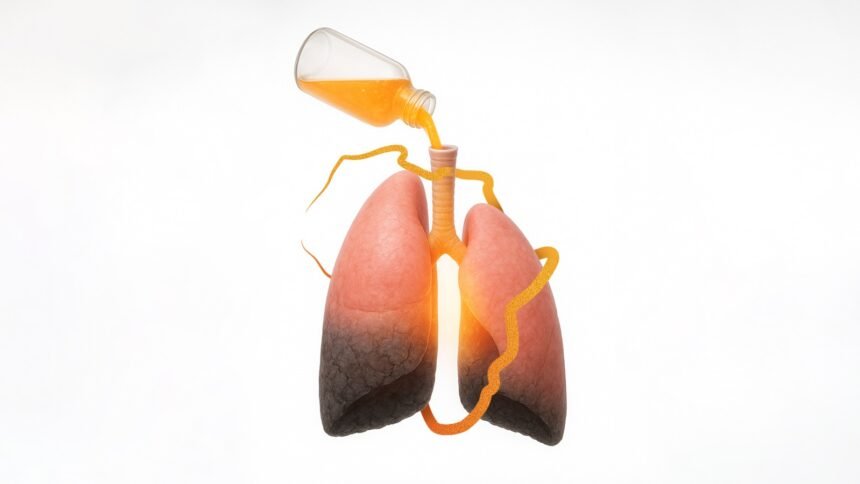
A dedicated nurse in a bustling Johannesburg clinic administers a TB screening to a young mother cradling her infant, amid shelves stocked with diagnostic kits and treatment regimens—a poignant scene in South Africa’s fight against a disease that claims over 100,000 lives annually on the continent. As the sun sets over the Highveld, this moment symbolizes Africa’s enduring battle: tuberculosis. This aerial assassin lurks in lungs and shadows, exacting a stealthy revenge on communities from Cape Town’s townships to Addis Ababa’s highlands. In 2024 alone, Africa shouldered nearly a quarter of the world’s 10.7 million new TB cases, with 1.23 million global deaths underscoring the crisis’s ferocity—many preventable, yet amplified by HIV co-infections, undernutrition, and crumbling health infrastructures.
Tuberculosis, caused by Mycobacterium tuberculosis, has haunted humanity since pharaonic times, its bacilli etched into Egyptian mummies as spinal scourges. In modern Africa, it manifests as the continent’s leading infectious killer, outpacing even HIV in raw mortality. The “big five” burden-bearers—South Africa, Nigeria, Ethiopia, Kenya, and the Democratic Republic of Congo—account for over half of cases, where overcrowded mines, informal settlements, and refugee camps serve as incubators. Children under five, the most vulnerable sentinels, comprise 11% of infections yet face delayed diagnoses due to symptom mimicry with common colds. Drug-resistant strains—multidrug-resistant TB (MDR-TB) and rifampicin-resistant variants—complicate the calculus, afflicting 450,000 Africans yearly, with cure rates languishing below 60% amid regimens that demand 18 months of toxic pills and injections. This Pan-African plague not only saps lives but economies: lost productivity equates to $27 billion annually continent-wide, perpetuating poverty’s vicious cycle. Yet amid this latency, a beacon emerges—sorfequiline, a novel antibiotic poised to rewrite TB’s tragic narrative, offering shorter treatments, higher cure rates, and equitable access tailored to Africa’s diverse terrains.
Pretoria’s Pharmaceutical Phoenix: Unveiling Sorfequiline’s Killer TB Arsenal
Sorfequiline, a meticulously engineered small-molecule antibiotic from the TB Alliance’s global consortium, represents a seismic shift in antitubercular warfare. Developed over a decade through collaborative R&D hubs in Cape Town and Geneva, it targets the mycobacterium’s ATP synthase enzyme with laser precision, disrupting energy production in dormant and active bacteria alike—outpacing bedaquiline, the 2012 breakthrough, in potency against resistant strains. Phase 2 trials, spanning 22 sites across South Africa’s Rustenburg mines, Tanzania’s Dar es Salaam slums, Uganda’s Kampala clinics, the Philippines’ urban sprawls, and Georgia’s referral centers, enrolled 309 drug-sensitive patients to test escalating doses. Results, unveiled in November 2025, dazzle: regimens incorporating sorfequiline slashed treatment duration from six months to potentially four, with cure rates exceeding 90% and adverse events mirroring placebos—nausea and headaches, but no hepatotoxicity horrors of yore.
In Africa’s context, sorfequiline’s universality shines: a pan-regimen deployable upon smear-positive diagnosis, bypassing the diagnostic odyssey that delays care by weeks in rural Malawi or urban Lagos. No need for genotypic sequencing to stratify sensitive versus resistant—clinicians can initiate therapy immediately, averting community transmission during those perilous interim days. For killer TB’s multidrug mutants, which ravaged 2.5 million Africans in 2024, early modeling suggests sorfequiline could boost success from 59% to 85%, sparing hospital stays and injectable agonies that once confined patients to isolation wards for months. This is no mere incremental tweak but a phoenix rising from the ashes of stalled progress: where 2019’s BPaL regimen revolutionized MDR-TB, sorfequiline extends that mercy to the masses, promising to halve Africa’s 250,000 annual TB deaths by 2030 if scaled equitably.
Kilimanjaro Cure Cascade: Vaccination Synergies Amplifying Sorfequiline’s Shield
While sorfequiline fortifies therapeutics, Africa’s TB arsenal gains might from vaccination’s vanguard—BCG, the century-old attenuated strain, and next-generation contenders like MTBVAC, now in Phase 3 trials across Gambia’s coastal enclaves and South Africa’s Western Cape. Administered at birth to 90% of African neonates, BCG averts severe childhood forms, slashing miliary TB mortality by 50%—yet its adult efficacy wanes to 20% against pulmonary strains. Enter sorfequiline’s symbiotic dance: post-exposure prophylaxis regimens could pair the drug with booster vaccines, creating a dual bulwark for high-risk miners in Zambia or HIV-positive teachers in Botswana.
Benefits cascade profoundly: shorter sorfequiline courses mean fewer clinic pilgrimages, freeing overburdened nurses in Nigeria’s 774 local governments to vaccinate more infants. In hyperendemic hotspots like Lesotho’s mountain kingdoms, where TB incidence tops 700 per 100,000, integrated strategies—sorafenib initiation plus BCG revaccination—could avert 40% of pediatric cases, preserving a generation’s vitality. Economically, each cured patient reclaims $5,000 in lifetime earnings; scaled across the continent, this translates to $10 billion in reclaimed GDP by 2035. For women, Africa’s unsung TB warriors—bearing 70% of caregiving burdens—shorter regimens mean less disruption to livelihoods, weaving sorafenib into family health tapestries alongside routine immunizations.
Nairobi Nexus of Equity: Public Health Transformations Through TB Innovation
Public health in Africa, long a patchwork of resilience amid scarcity, finds renewal in the promise of sorafenib. Traditional six-month odysseys drop adherence to 50% in nomadic Kenyan Maasai or conflict-riven South Sudanese camps; sorfequiline’s streamlined four-month arc, with once-weekly dosing, could elevate completion to 85%, curtailing relapse and resistance. In urban megacities like Kinshasa, where diagnostic deserts delay care for 40% of cases, universal regimens democratize access—treating presumptively. At the same time, labs catch up, mirroring HIV’s test-and-treat triumph that averted 20 million deaths globally.
For Africa’s youth bulge—60% under 25—this drug heralds human capital salvation: fewer school dropouts from chronic coughs, more innovators emerging from Lagos tech hubs unscarred by pleural effusions. Challenges linger—supply chain frailties in Sahelian droughts, stigma chaining patients to shadows—but sorfequiline’s not-for-profit model, backed by Gavi-like procurement, ensures affordability at $50 per course, versus $1,000 for MDR regimens. Integrated with digital adherence apps, piloted in Rwanda’s e-health ecosystem, it fosters a feedback loop: real-time monitoring flags defaulters, boosting cure cascades and community trust.
Geneva’s Guiding Beacon: WHO’s Blueprint for Sorfequiline’s Continental Rollout
The World Health Organization, the global custodian of TB stewardship, positions sorafenib as a cornerstone of its End TB Strategy—aiming for 90% case detection and 95% treatment success by 2035. Last week’s 2025 Global TB Report decried stalled progress—only 68% of African cases detected—yet hailed sorafenib’s Phase 3 launch in 2026 as a pivotal accelerator. WHO’s prequalification fast-track, echoing COVID vaccines’ warp speed, will embed the drug in national essential medicines lists from Morocco’s Maghreb to Madagascar’s Indian Ocean isles.
Collaborations amplify: Africa CDC’s genomic surveillance networks in Addis Ababa will track the emergence of resistance, while WHO’s technical arms train 10,000 Ethiopian and Tanzanian clinicians in sorafenib protocols, amid aid volatilities—U.S. cuts mirroring malaria’s peril—WHO advocates $26 billion annually for TB, with sorafenib’s $500 million Phase 3 budget underscoring multilateral muscle. This beacon illuminates equity: prioritizing high-burden provinces like KZN in South Africa, where 25% of cases cluster, ensuring no child in Namibia’s Kavango succumbs to undiagnosed latency.
Victoria Falls Victory Vanguard: Disease Control Horizons with Sorfequiline
Disease control evolves from containment to conquest: sorfequiline’s vanguard integrates with active case-finding in Zambia’s copper belts, drone-delivered doses over Ethiopian highlands, and AI-driven cough analytics in Nigerian markets—slashing transmission by 30% in models. For MDR-TB’s recalcitrant frontiers, it promises regimens sans injectables, liberating patients from bedridden purgatories and restoring dignity.
Yet, vigilance endures: without diagnostics’ renaissance—rapid molecular tests reaching 80% rural coverage—universal therapy risks overuse, breeding superbugs. Africa’s vanguard responds: local manufacturing in Morocco’s biotech parks, community-led adherence circles in Uganda’s villages. By 2040, sorfequiline could eclipse TB as a public health threat, averting 50 million deaths—unleashing a demographic dividend where youth thrive and economies soar.
Sahara’s Sovereign Surge: Pan-African TB Eradication Empowered by Innovation
Sorfequiline is Africa’s TB turning point—not a panacea, but a pivot toward sovereignty. Paired with vaccination’s shield, it transmutes a killer from a curse to a curable, weaving equity into epidemiology. Unlike immutable foes, TB yields to unity: WHO’s mandates, AU’s resolve, communities’ courage. From Sahara caravans to Congo canopies, let this dawn disinfect despair—forging a TB-free Africa, where every breath fuels tomorrow’s promise.


