




Pan African Lens: Democratic Flux in Horn Transitions
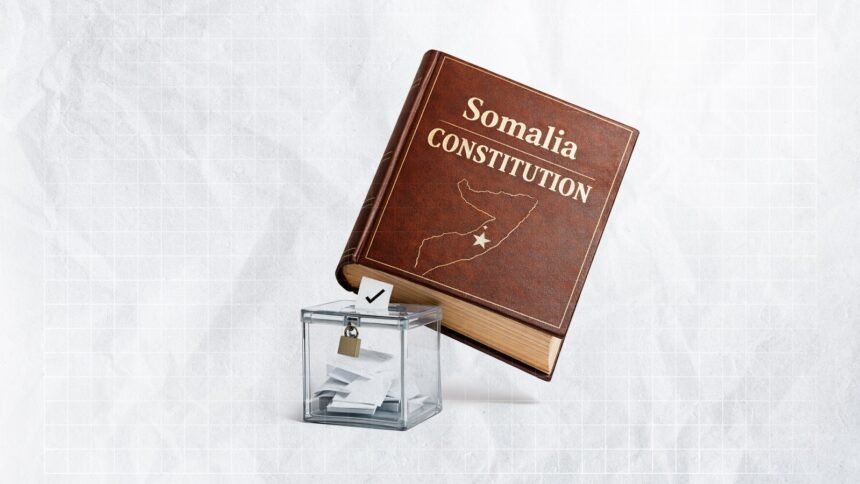
Somalia’s recent parliamentary endorsement of constitutional revisions, extending executive and legislative terms while reshaping electoral mechanisms, encapsulates the continent’s broader democratic flux. Across Pan Africa, nations navigating post-conflict or transitional phases, such as South Sudan’s fragile accord teetering on collapse or Ethiopia’s insurgent-shadowed polls, grapple with similar tensions: balancing stability against genuine representation. In Somalia, these changes, approved amid controversy in March 2026, highlight a delicate equilibrium where reforms aim to consolidate governance but risk alienating regional stakeholders, echoing Madagascar’s coupvolution regrets or Tanzania’s electoral violence. This Pan-African perspective reveals how constitutional tweaks, often framed as pragmatic necessities, test the resilience of emerging democracies against entrenched clan dynamics and security imperatives.
Somalia Democracy Outlook: Prospects Amid Structural Shifts
Somalia’s democratic outlook, once heralded for its incremental progress from decades of anarchy, now faces scrutiny as the new amendments push elections back by a year and formalize a hybrid system. With 222 lawmakers from a 329-seat bicameral parliament voting in favor, the revisions extend terms from four to five years, potentially allowing President Hassan Sheikh Mohamud an additional year in office until mid-2027. Proponents argue this provides breathing room to refine electoral processes, including restoring universal suffrage for lawmakers while retaining parliamentary selection of the president. Yet, the outlook dims with concerns over inclusivity: a two-term presidential limit offers safeguards, but the prime minister’s dismissibility by parliament introduces accountability checks that could either stabilize or polarize. Amid al-Shabaab’s persistent threats, this outlook hinges on whether these shifts foster broader participation or entrench Mogadishu’s central authority, testing Somalia’s fragile federalism.
Somalia’s Presidency Laws: Balancing Term Limits and Extensions
The presidential term limits embedded in the amendments strike a cautious balance, imposing a two-term limit on the head of state while extending the current mandate. This dual approach addresses long-standing debates on executive longevity, preventing indefinite rule akin to neighboring autocracies yet accommodating delays in electoral readiness. President Mohamud, who hailed the vote as a historic milestone after prolonged deliberations, now benefits from an extended tenure to pursue governance priorities. However, critics view the extension as a maneuver to consolidate power, especially with the president’s role in appointing the prime minister, who can be ousted by parliament, potentially creating a more responsive executive. These laws, while progressive in limiting re-elections, must navigate clan-based politics, where extended terms risk perceptions of favoritism, mirroring continental struggles in Cameroon or the Ivory Coast, where incumbency extensions fuel dissent.
Constitution Amendments & Changes: From Provisional to Permanent Framework
The amendments transform Somalia’s provisional constitution, in place since 2012, into a more defined structure after over a decade of reviews. Key changes include direct elections for lawmakers, shifting from clan-nominated selections, and affirming the president’s indirect election by parliament. This overhaul, which passed with acclaim from 185 lower house members and 37 senators, aims to streamline federal operations but has sparked disputes over the legitimacy of the process. Opposition from Jubaland representatives, who deem the revisions “null and void” for violating federal principles, underscores procedural rifts. These alterations, while advancing toward a permanent framework, expose underlying fractures: rushed approvals amid absent regional consensus could undermine enforcement, paralleling South Sudan’s accord breakdowns or Tunisia’s judicial weaponizations, where constitutional haste breeds instability.
Counter-Insurgency Efforts: Security Imperatives Shaping Reforms
Somalia’s counter-insurgency efforts against al-Shabaab, a persistent al-Qaida affiliate, profoundly influence the amendments’ democratic implications. The extended terms provide continuity for Mohamud’s administration to intensify offensives, including drone-supported operations and clan militia integrations that have reclaimed territories. Yet, this security focus risks sidelining democratic deepening: amendments prioritize stability over immediate polls, arguing that insurgent threats necessitate delayed elections to ensure safe voting. Al-Shabaab’s exploitation of clan grievances amplifies this, with attacks surging in contested areas. Continentally, this mirrors Sahel nations where anti-terror campaigns justify junta delays, highlighting how counter-insurgency imperatives can eclipse participatory governance, potentially fostering resentment if reforms appear as pretexts for power retention.
Federal Rule Struggles: Centralism Versus Regional Autonomy
Federal rules define Somalia’s democratic status, as amendments centralize aspects such as presidential selection while affirming regional parliaments’ roles. Mogadishu’s push for uniformity clashes with semi-autonomous states like Puntland and Jubaland, whose lawmakers boycotted or rejected the process, citing violations of federal pacts. This tension, rooted in clan federalism designed to mitigate post-1991 anarchy, risks fracturing unity: extended central terms could be seen as eroding regional autonomy, fueling separatist sentiments. Paralleling Nigeria’s federal-ethnic balances or Ethiopia’s regional insurgencies, Somalia’s struggles underscore the need for inclusive consultations to prevent amendments from exacerbating divisions and to ensure federalism bolsters rather than undermines democratic cohesion.