





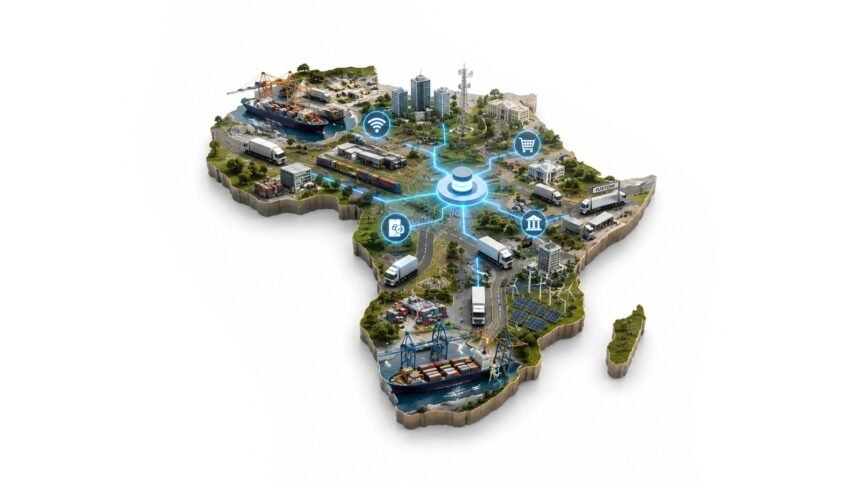
Triangular cooperation is increasingly shaping discussions on how to accelerate development and integration across the Global South, particularly in efforts to deepen intra-African trade.
The model brings together developing countries through South–South cooperation, supported by a third partner such as a development agency, an international organization, or a developed country.
It is often described as a horizontal partnership built on shared responsibility and joint problem-solving, where each actor contributes experience, technical expertise, financing, or coordination.
In Africa’s trade landscape, the approach is gaining traction as countries confront what experts call the “hidden cost of fragmented systems”, a mix of duplicated taxes, inconsistent regulations, and weak cross-border infrastructure that continues to slow commerce.
Experts say the gap is not a lack of ambition or demand. It is that the systems needed to make integration work are still catching up.
“Businesses moving across African borders still face multiple layers of taxation, differing customs procedures, non-tariff barriers, and limited interoperability between national digital systems. These frictions raise costs, slow trade, and hit smaller firms hardest,” said Maxwell Gomera, UNDP Resident Representative in South Africa and Director of the Africa Sustainable Finance Hub.
He pointed to payments as a striking example of where the system is failing traders.
“Cross-border payments in Africa can still be expensive, slow, and cumbersome. That is not a trade problem. It is a systems problem. And it falls hardest on exactly the traders and businesses the AfCFTA is designed to help.”
He said the challenge is also about trust, particularly when cooperation depends on sharing sensitive data across borders.
“Modern trade increasingly runs on data. But countries are understandably cautious about where sensitive information is stored, who can access it, and how it is protected. The issue is not simply political will. It is whether we can build secure systems, clear rules, and trusted institutions that allow countries to cooperate with confidence.”
Gomera said the AfCFTA provides the policy framework for integration, but its success will ultimately depend on implementation.
He noted that Africa has already adopted important frameworks, including the Digital Trade Protocol, covering areas such as digital payments, data governance, cybersecurity, and interoperability.
“The AfCFTA gives Africa the architecture. The hard work now is wiring the building. That means customs systems that speak to each other, digital platforms that are interoperable, regulators that coordinate, and institutions that can turn agreements into daily practice for businesses and citizens.”
Gomera said this is where South-South and triangular cooperation can make a practical difference.
“Triangular cooperation should not replace African-led integration. It should help make it work. It can bring countries, institutions, and partners together around practical problems such as digital trade infrastructure, data governance, regulatory alignment, customs modernization, and capacity building.”
He said institutions such as UNDP play an important convening role by bringing together governments, regulators, private-sector actors, and development partners.
“Sometimes the people who need to solve the problem are not naturally in the same room. Our role is to help bring them together, ask better questions, and move from declarations to delivery.”
Gomera said the real test of African integration is no longer whether agreements get signed, but whether they get implemented.
“Agreements create possibilities. Systems create results. The next chapter of African integration will be written not by what we sign, but by what we implement. Triangular cooperation can help close that gap by building trust, sharing practical knowledge, and helping countries move from policy to practice.”
Doudou Sow, the Ambassador of Senegal to Rwanda, said triangular cooperation should not be viewed through the traditional donor-recipient lens.
According to Sow, the role of the third partner is not to oversee or dictate solutions, but to contribute experience and expertise while working alongside developing countries as an equal partner.
“More developed countries may have already addressed some development challenges. When they join South-South cooperation, they do not come as masters telling us what to do. They come to share their experience and contribute to finding solutions that fit the local context,” he said.
He stressed that triangular cooperation differs from traditional aid models because all partners are expected to contribute knowledge, expertise, and resources, while also benefiting from the collaboration.