



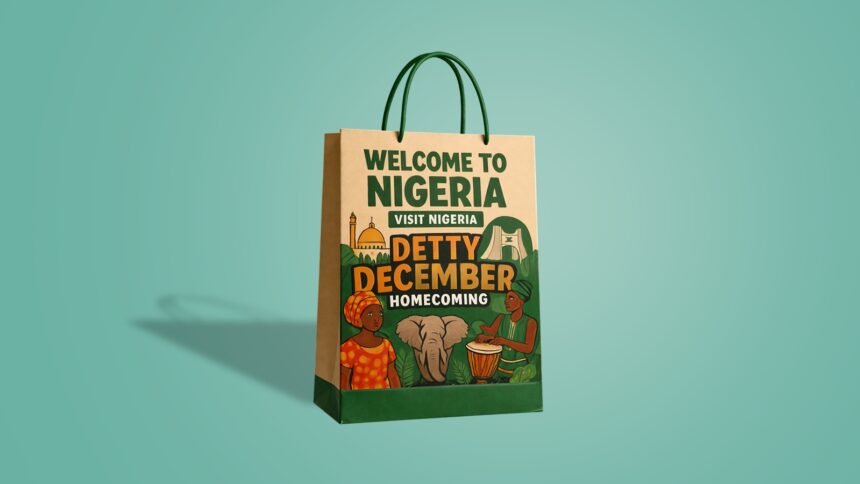
In the throbbing heart of Lagos, where the humid December air carries echoes of Fela Kuti’s saxophone and the scent of grilled plantains, Detty December unfolds as Nigeria’s ultimate cultural crescendo—a monthlong symphony of revelry that blends ancestral rhythms with contemporary exuberance. Coined in 2016 by musician Mr Eazi from the slang “detty,” meaning wild indulgence, this phenomenon transforms the megacity into a global stage, drawing diaspora returnees and locals alike into a whirlwind of parties, dances, and shared heritage. Far from mere escapism, it embodies Africa’s resilient spirit, where joy defies economic strains and cultural fusion ignites communal bonds, reminding the continent that celebration is both resistance and renewal.
Pan African Vibes: Continental Currents in Lagos Festivities
Detty December stands as a Pan-African beacon, channeling the continent’s diverse cultural currents into Nigeria’s urban vortex. From the Sahel’s griot storytelling to East Africa’s Swahili feasts, Africa’s festive traditions converge here, amplified by Lagos’s role as a diaspora hub. Returnees from Europe and America—dubbed “I Just Got Backs”—infuse the season with global flavors, their foreign earnings fueling a multimillion-dollar events economy. This mirrors broader African homecoming rituals, such as Ghana’s Year of Return or Senegal’s Tabaski gatherings, where the tides of migration bring renewal. In Lagos, street carnivals evoke Zulu umemulo ceremonies, while food festivals starring pounded yams nod to communal harvests across the Congo Basin. Yet Detty’s uniqueness lies in its syncretic vibe: a fusion where Ethiopian coffee rituals meet Nigerian highlife, fostering unity amid diversity. As Africa’s youth reclaim narratives, this month underscores celebration as a tool for continental solidarity, bridging borders through shared rhythms and resilience.
Nigerian Pulse: Lagos as Epicenter of Seasonal Exuberance
At Detty December, the core pulses Nigeria’s indomitable energy, with Lagos—home to over 20 million—morphing into a nonstop hub of cultural expression. The season’s calendar brims with weddings in glittering agbadas, art shows in neon-lit galleries, and Afrobeats concerts headlined by icons like Wizkid, Davido, and Burna Boy. For locals, it’s a lucrative pivot: photographers like Tomiwa Ajayi dread yet depend on the influx, capturing every eyelash and fireworks display. The term “detty,” rooted in Yoruba slang for unrestrained fun, captures the essence—back-to-back gigs for DJs like Yosa, who blend Fela’s Afrobeat legacies with The Cavemen’s highlife revival. Amid traffic snarls and Hennessy billboards, the city lacquers its grit with glamour, drawing from Nigeria’s ethnic mosaic: Igbo masquerades inspire rave masks, Hausa durbar processions echo carnival parades. This pulse not only sustains economies but revitalizes national identity, proving that in a nation of contrasts, festivity is the great equalizer.
Dances of Joy: Rhythms from Ancestry to Asphalt
Detty December’s dances ignite joy’s fire, weaving Africa’s ancient movements into Nigeria’s modern grooves. Traditional forms like the Yoruba Bata—hip-swaying tributes to deities—or the Igbo Atilogwu’s acrobatic flips underpin the season’s choreography, evolving into street styles like Azonto and Shaku Shaku at raves. In empty pools turned dancefloors, crowds sway to Afro house beats, their steps echoing Maasai Adumu jumps or Ashanti Kete circles, where rhythm once marked harvests and rites. Yosa’s sets fuse Fela’s revolutionary pulses with contemporary electronic layers, inviting bodies to transcend fatigue in communal ecstasy. Weddings amplify this: slow dances amid fireworks give way to money-spraying frenzies, a custom akin to West African praise rituals. These dances affirm life’s vitality, countering daily hardships with embodied liberation— a testament to how Africa’s performative heritage adapts, ensuring cultural continuity amid urbanization.
Culture in Motion: Heritage Woven into Festive Fabric
Nigeria’s culture surges in motion during Detty December, where heritage isn’t a relic but a living thread in the festive tapestry. From jollof rice trays at purple-hued weddings to pounded yam festivals, culinary traditions honor communal bonds, reminiscent of Hausa tuwo feasts or Edo ukodo banquets. The season’s extravagance—champagne-drenched toasts and sequined outfits—blends with spiritual undercurrents: megachurches like Harvesters reimagine the Nativity as political thrillers, blending hymns with Nollywood drama and reflecting Nigeria’s syncretic faith. Rave countercultures, led by DJs like Aniko, carve out inclusive spaces for LGBTQ+ expression, challenging status-driven norms while drawing on Africa’s tolerant histories, such as Buganda’s fluid gender roles. This motion preserves oral legacies: griot-like storytelling in party banter, or diaspora tales of “japa” escapes. Amid economic divides, where beggars trail SUVs, Detty underscores culture’s democratizing power, moving from elite clubs to street grills, sustaining Nigeria’s vibrant soul.
Parties Unleashed: The Wild Heart of Detty Revelry
Parties unleash Detty December’s wild heart, turning Lagos into a ceaseless carnival of indulgence and connection. From architect’s birthdays in drained pools—sucking mojito pops under starry skies—to 4 a.m. sets at lagoon-view clubs, the unleashed energy demands stamina honed by former athletes like Yosa. Raves like Group Therapy offer affordable entry, $7 havens of neon greens and diamanté faces, centered on Afro house’s pulsating inclusivity. Weddings erupt in lilac clouds and naira sprays, traditions appreciating elders amid smoky jollof and corn. Even Sundays detty-fy: Harvesters’ carol services feature magician miracles—flapping fish eliciting gasps—before “Sunday Service” raves at casinos, where tank tops replace gowns. This unleashing bridges classes: plantain grills for all, champagne for some, yet hawkers remind us of inequities. Detty’s parties, born of diaspora reunions, fuel a multimillion-dollar surge, proving revelry to be an economic and emotional lifeline.
Globalism’s Beat: Diaspora Return and Worldwide Waves
Globalism beats through Detty December, as Nigeria’s diaspora infuses Lagos with worldwide waves of currency and culture. “I Just Got Backs” from Scotland or the U.S. flock home, their spending—on Ubers, gigs, and feasts—propelling a tourism boom rivaling global magnets. Coined during Mr Eazi’s travels, the season echoes the rhythms of migration: Yoruba “japa” seekers return, blending foreign influences with local highlife. This globalism extends Africa’s influence—Azonto steps influencing hip-hop abroad, Afrobeats topping charts—drawing tourists fleeing winter for Lagos’s warmth. Yet it highlights tensions: priced-out locals versus amplified online glamour. Detty’s beat aligns with continental trends, such as Ghana’s rival festivities and Senegal’s diaspora events, positioning Nigeria as Africa’s party vanguard in a globalized era.
Cross-Cultures Fusion: Blending Borders in Celebratory Harmony
Detty December brings cultures together in a harmonious celebration, where borders blur in Lagos’s melting pot. Yoruba agbadas mingle with Scottish accents at weddings, while raves fuse Afro house with electronic reverie, welcoming diverse identities. Church mash-ups of “Little Drummer Boy” and Nollywood drama exemplify this: biblical tales meet bombastic flair, purple-plumed drummers bridging sacred and secular. Diaspora infusions—American athletics fueling DJ endurance, European currencies sponsoring inclusivity—enrich Nigeria’s mosaic, echoing Africa’s historical blends, such as the Swahili-Arab coastal influences. Yet fusion demands equity: countering elitism with accessible raves, ensuring locals partake. In this cross-cultural dance, Detty emerges as a model for Africa’s future—harmonizing traditions with modernity, home with horizon, in a symphony of shared humanity.