





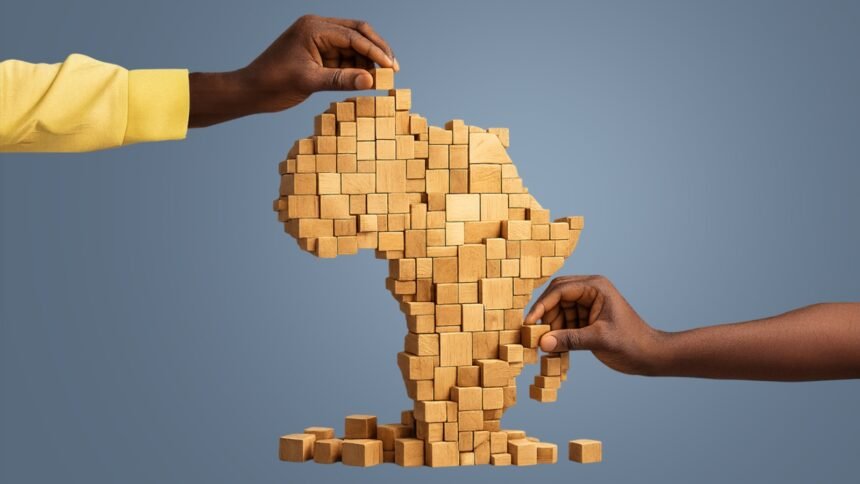
Pan-African Awakening: Forging Unity Amid Global Disengagement
At the dawn of 2026, Africa stands at a pivotal juncture, where the abrupt retreat of major global powers from multilateral frameworks compels a renaissance of continental solidarity. The continent’s 1.5 billion inhabitants, spanning 54 sovereign states, have long navigated a labyrinth of external dependencies. Still, recent seismic shifts, most notably the United States’ withdrawal from 66 international organizations, including 31 United Nations-linked entities, underscore the urgency of Pan-African cohesion. This move, enacted through an executive order deeming these bodies contrary to American interests, severs critical lifelines that have sustained development initiatives across the region for decades.
Pan-Africanism, rooted in the visions of luminaries like Kwame Nkrumah and Julius Nyerere, now demands practical embodiment. The African Union, with its Agenda 2063 blueprint, must accelerate efforts to integrate economies through the African Continental Free Trade Area, which could unlock $450 billion in annual trade by fostering intra-continental value chains. Yet, the youth demographic, comprising over 60 percent of the population under 25, faces heightened vulnerabilities: with formal employment scarce and the informal sector accounting for 85 percent of livelihoods, the loss of international support exacerbates a generational crisis. Stories from Nairobi’s bustling markets to Addis Ababa’s policy corridors reveal a continent awakening to self-determination, where regional blocs such as the East African Community and ECOWAS are pivoting toward endogenous solutions, blending traditional knowledge systems with modern innovations to mitigate the void left by retreating global partners.
This awakening is not mere rhetoric; it is a survival strategy. Historical precedents, from the Organization of African Unity’s formation in 1963 to the recent push for a single African passport, illustrate resilience. As external funding dwindles, Pan-African funds, such as the AU’s Peace Fund, which targets $400 million annually, must expand to address gaps in peacekeeping and infrastructure, transforming isolation into an impetus for unified prosperity.
Development Dilemmas: Charting Progress in a Funding Vacuum
Africa’s developmental trajectory, already hampered by structural inequalities, now confronts profound dilemmas as international disengagement reshapes the landscape. Sub-Saharan growth projections for 2026 hover at 3.8 percent, below the 7 percent threshold needed to absorb a burgeoning workforce, while debt burdens exceed 70 percent of GDP in more than 20 nations. The US pullout from bodies like the UN Conference on Trade and Development and the International Trade Centre disrupts trade facilitation programs that have bolstered export diversification, leaving commodities like cocoa and minerals vulnerable to volatile global prices.
Urbanization, accelerating at 4 percent annually, exacerbates these challenges: megacities such as Lagos and Kinshasa strain under inadequate infrastructure, with 60 percent of residents living in informal settlements. The defunding of UN-Habitat, headquartered in Nairobi, jeopardizes urban planning initiatives aimed at housing 200 million by 2030. Similarly, the retreat from the UN Economic Commission for Africa erodes analytical support for policy formulation, forcing nations to improvise amid fiscal constraints. Development models must evolve toward hybrid approaches that leverage digital platforms for financial inclusion, as seen in Kenya’s M-Pesa ecosystem, which serves 50 million users, while addressing human capital deficits: literacy rates of 70 percent and STEM education access below 30 percent hinder innovation-driven growth.
Compounding this, conflict zones in the Sahel and Horn of Africa, displacing 30 million, lose vital oversight from withdrawn UN special representatives, risking escalation. Africa’s response lies in amplifying homegrown institutions, such as the African Development Bank, which could channel $50 billion yearly into resilient projects, redefining development from aid-dependent to sovereignty-centered.
Aid Abyss: The Precipice of Diminished Global Support
The aid ecosystem, long a double-edged sword for Africa, plunges into an abyss with the severance of multilateral funding streams. Historically, official development assistance has totaled $50 billion annually, with the US contributing up to 25 percent through UN channels, which have now been reduced across entities such as the UN Population Fund and the Peacebuilding Fund. This vacuum threatens reproductive health programs reaching 100 million women and peacekeeping operations stabilizing 15 fragile states, where UN missions have averted famines and mediated truces.
In nations like Ethiopia and Nigeria, where aid constitutes 10-15 percent of budgets, the fallout manifests in halted vaccinations, reduced food security nets, and stalled education drives. The International Union for Conservation of Nature’s defunding cripples biodiversity efforts in the Congo Basin, home to 30 percent of global rainforests, while the UN University’s withdrawal curtails research collaborations vital for sustainable agriculture. This abyss exposes the inherent flaws of aid: conditionality that skews priorities toward donor agendas, fostering dependency rather than capacity building.
Yet, opportunities emerge in recalibrating aid paradigms. African governments must prioritize domestic revenue mobilization, aiming to achieve a 20 percent tax-to-GDP ratio through digital taxation and anti-corruption measures. Philanthropic and diaspora remittances, which exceed $100 billion annually, could help fill gaps. At the same time, south-south partnerships with emerging economies offer untied support, steering the continent away from perpetual recipient status toward equitable exchange.
Africa-US Rift: Realigning Partnerships in a Bipolar World
The rift between Africa and the United States, widened by this sweeping withdrawal, reconfigures a relationship historically marked by strategic aid and geopolitical maneuvering. Once the largest bilateral donor, providing $9 billion annually through USAID and UN proxies, the US now retreats from forums such as the Office of the Special Adviser on Africa, signaling a pivot toward isolationist policies. This shift, framed as rejecting “wasteful” globalism, disproportionately burdens Africa, where US-funded programs have combated HIV/AIDS, affecting 25 million, and supported democratic transitions in 20 countries.
Bilateral ties may endure selectively, through trade agreements such as the African Growth and Opportunity Act, but the multilateral void invites competitors. China’s Belt and Road Initiative, which has invested $200 billion in infrastructure since 2013, positions Beijing as an alternative, albeit with debt risks evident in Zambia’s $10 billion obligations. The rift compels Africa to diversify alliances: engaging the European Union for green transitions and India for pharmaceutical access, while negotiating from strength via the AU’s collective bargaining.
This realignment harbors dual potentials: heightened vulnerability to unilateral pressures, yet empowered autonomy. African diplomats must advocate for reformed global governance, pushing for greater voting equity in remaining institutions, transforming the rift into a catalyst for balanced, interest-aligned partnerships.
Poverty’s Deepening Shadows: Intensified Struggles and Human Costs
Poverty, already an existential scourge afflicting 500 million Africans, casts deeper shadows as aid cuts erode safety nets. Multidimensional deprivation, encompassing nutrition, sanitation, and education, affects 55 percent of the population; in the poorest nations, such as Burundi and South Sudan, 70 percent of the population lives below $2.15 per day. The defunding of UN Women and gender-focused entities exacerbates inequalities: female labor participation at 60 percent, coupled with lost empowerment programs, perpetuates cycles where women bear disproportionate burdens in agriculture and caregiving.
Climate-linked poverty intensifies without support from the Intergovernmental Panel on Climate Change and UN Framework Convention on Climate Change: droughts in the Sahel displace millions. At the same time, floods in Mozambique devastate harvests, pushing 130 million people toward food insecurity by 2030. Health setbacks loom large; the UN Population Fund’s retreat threatens maternal care in regions with 500 deaths per 100,000 births. Youth, the demographic core, face bleak prospects: unemployment at 60 percent fuels migration and unrest, as withdrawn development funds halt skill-building initiatives.
These shadows demand urgent illumination through targeted policies: universal basic income pilots, as trialed in Namibia, and community-led cooperatives that have lifted 10 million in East Africa. Poverty’s entrenchment risks social fragmentation, but resilient communal structures, evident in ubuntu philosophies, offer pathways to equity, emphasizing collective welfare over external benevolence.
Industrialization Imperative: Building Endogenous Engines of Growth
Industrialization emerges as Africa’s imperative response, shifting from resource extraction to value-added manufacturing amid global retreat. The continent’s industrial output, at 15 percent of GDP, lags global averages, perpetuating a rentier model in which minerals and oil dominate exports but generate minimal employment. The US withdrawal from trade-facilitating bodies such as UNCTAD disrupts advisory services, compelling accelerated domestic strategies; for example, special economic zones, as in Ethiopia’s Hawassa Park, which employs 60,000, must scale continent-wide.
Agro-processing holds promise for transforming 60 percent of agrarian economies: investing in cold chains and mechanization could add $100 billion annually, reducing post-harvest losses by 30 percent. Renewable energy industrialization, harnessing solar and wind potentials exceeding 10 terawatts, addresses the needs of the 600 million without electricity, while critical minerals such as cobalt fuel the battery industry. Yet, challenges persist: skill gaps, with vocational training reaching only 10 percent, and infrastructure deficits that cost 2 percent of GDP annually.
This imperative aligns with Pan-African goals: regional value chains under the AfCFTA could create 18 million jobs by 2035, with a focus on technology transfer and innovation hubs. By prioritizing industrialization, Africa transcends aid dependency, forging engines of sustainable growth that secure prosperity for generations, turning global isolation into a forge for self-reliant advancement.