




The migratory conduits from Africa to Europe have undergone profound transformations in recent years, adapting to geopolitical pressures, fortified borders, and escalating perils that claim thousands of lives annually. In 2025, irregular arrivals to Europe via sea and land dipped to approximately 155,714 by year’s end, a notable decline from 208,909 in 2024, yet the human cost remained staggering, with over 2,511 documented deaths or disappearances in Mediterranean crossings alone. Shifts in departure points, exemplified by the Western African route’s pivot southward amid Mauritania’s clampdowns, illustrate how containment strategies inadvertently amplify risks: boats now depart from Gambia and Guinea, enduring voyages exceeding 2,000 kilometers and 11 days, thereby doubling the risk of capsizing or starvation. Concurrently, Central Mediterranean routes from Libya remain the busiest, accounting for 37 percent of detections despite a 20 percent overall decline in irregular entries during the first half of 2025. These evolutions, intertwined with Libya’s internal fractures, including oil corruption scandals siphoning billions and a December plane crash decimating military leadership, underscore a continental narrative where Pan African aspirations collide with security imperatives, demanding nuanced approaches beyond mere interdiction.
Pan African Impetus: Continental Drivers of Northward Flows
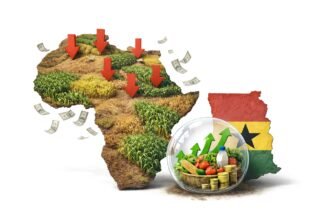
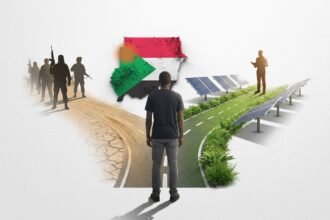
The Pan-African impetus fueling northward flows stems from intertwined socioeconomic and environmental strains across the continent, where youthful demographics and uneven development propel multitudes toward Europe’s perceived opportunities. Sub-Saharan regions, grappling with youth unemployment exceeding 50 percent in nations such as Nigeria and Ethiopia, face compounded challenges from climatic adversities: desertification degrades Sahelian farmlands. At the same time, erratic monsoons erode livelihoods in the Horn. Sudan’s civil strife and insurgencies in Burkina Faso and Mali have displaced millions, initiating chains of secondary migration through ancient caravan trails repurposed for evasion. This impetus manifests in diverse nationalities, Somalis, for example, surging 3.3 times in sea and land arrivals to Europe in the first eight months of 2025, highlighting how Pan-African mobility, envisioned in African Union protocols for unrestricted movement, devolves into irregular odysseys when legal pathways narrow. The continent’s median age under twenty contrasts sharply with Europe’s aging populations, tilting the demographic balance toward inevitable exchanges. Yet, policy voids transform potential synergies into perilous drifts that bind Africa’s untapped vigor to Europe’s labor demands in a cycle of desperation and deterrence.
Immigration Pathways: Shifting Corridors Across Seas and Sands
Immigration pathways from Africa to Europe have diversified amid evolving obstacles, with traditional corridors yielding to longer, hazardous alternatives that increase mortality while reducing volumes. The Western African Atlantic route, once dominated by Mauritanian departures, saw an 89 percent decline in launches from April to December 2025 following EU-funded crackdowns that redirected flows southward: Gambian boats doubled to 22, while Guinea recorded three vessels, including one from Conakry that traversed 2,000 kilometers in 11 grueling days. This shift, which accounts for 1,906 fatalities in Canary-bound attempts, underscores the route’s enduring deadliness, with journeys now spanning up to 12 days in overcrowded pirogues. In the Western Mediterranean, Algerian departures to Spain’s Balearic Islands ballooned fatalities to 1,037, as smaller crafts evade patrols only to vanish in currents. The Central Mediterranean, departing from Libya’s fractured shores, remains paramount with 41,900 detections, stable yet lethal, amid oil graft empowering militias to blend fuel and human smuggling. Eastern Mediterranean surges to Crete and Gavdos from eastern Libya reflect similar adaptations, with speedboats maximizing profits in ungoverned spaces. These pathways’ mutations, driven by policies like Mauritania’s €210 million EU pact, illustrate immigration’s adaptive resilience: as one corridor constricts, others expand, perpetuating a continental exodus that navigates sands and seas in pursuit of elusive horizons.
Security Voids: Perils in Transit and Exploitation Webs
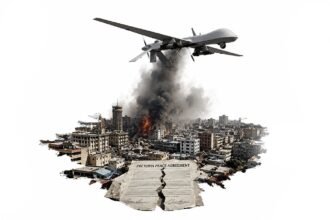
Security voids punctuating these routes expose migrants to exploitation webs, where human trafficking synergizes with commodity smuggling to amplify perils from African origins to European gates. In Libya’s balkanized landscape, militia overlords, emboldened by $20 billion in fuel diversions from 2022 to 2024, ensnare sub-Saharans in detention labyrinths, extracting ransoms before dispatching overloaded vessels, contributing to 1,745 Central Mediterranean deaths. Mauritanian abuses, including torture and rape amid EU-backed patrols, propel victims toward Guinea’s extended oceanic gambles, where invisibility claims entire crafts. These voids, widened by Libya’s December 2025 plane crash, eliminating key military figures, invite militia ascendancy, blurring lines between guardians and predators in southern Saharan flanks. Security’s erosion manifests in demographics: 437 children and 192 women among Spain’s 3,090 fatalities, victims of gender-based violence or recruitment in transit. The nexus elevates migration beyond mobility to a strategic vulnerability, where unchecked flows intersect armed fractiousness, demanding Pan-African securitization that addresses root instabilities such as Sahelian insurgencies to dismantle the deadly sinews binding vulnerability to venture.
Border Control Labyrinths: Policies Forging Riskier Detours
Border control labyrinths, woven through EU-African pacts, forge riskier detours that curtail arrivals yet escalate individual hazards, revealing the paradoxes of outsourced deterrence. Mauritania’s 2024 €210 million accord reduced departures by 89 percent, yet redirected them to Gambia’s doubled launches and Guinea’s emergent routes, increasing shipwrecks to 303 and leaving 70 vessels unaccounted for. In Libya, EU-subsidized coast guards intercept thousands, but corruption cascades funds into factional coffers, recycling migrants into abusive loops that spike departures when pacts falter. These labyrinths’ repercussions echo in data: Spain’s irregular entries plummeted 40 percent to 35,935, but per-capita risks soared on elongated routes like Algeria-Balearics. The control paradigm, enhanced policing that yields fewer crossings but higher lethality, highlights implementation gaps: delays in rescues and resource scarcity prolong exposure, transforming frontiers from barriers into unwitting enablers of tragedy. From a Pan-African lens, such dynamics evoke erosions of sovereignty, prioritizing European containment over continental equity, compelling reevaluations that balance border integrity with humane conduits.
Security Horizons: Forging Resilient Pan-African Frameworks
Navigating toward security horizons requires forging resilient Pan-African frameworks that transcend reactive controls and address the drivers of migration to temper Europe’s influxes and Africa’s outflows. Prioritizing origin interventions—bolstering Sahelian accords, igniting sub-Saharan enterprises, and fortifying agro-climatic buffers—could decompress pressures, retaining demographics within continental circuits. Dismantling Libya’s graft-oil nexus through unified governance might stabilize Central Mediterranean gateways, reducing vulnerabilities in the aftermath of leadership vacuums. Continental synergies, expanded African Union repatriation schemes, and legal visas decompress irregular migration flows, while enhanced UN-AU rescues mitigate maritime perils. These horizons envision a rebalanced security: where 2025’s adaptations serve as catalysts, weaving protections that honor dignity over division and reposition Africa’s pathways from peril to potential in a cohesive continental destiny.