




The Pan-African Paradigm of Ecological Sovereignty
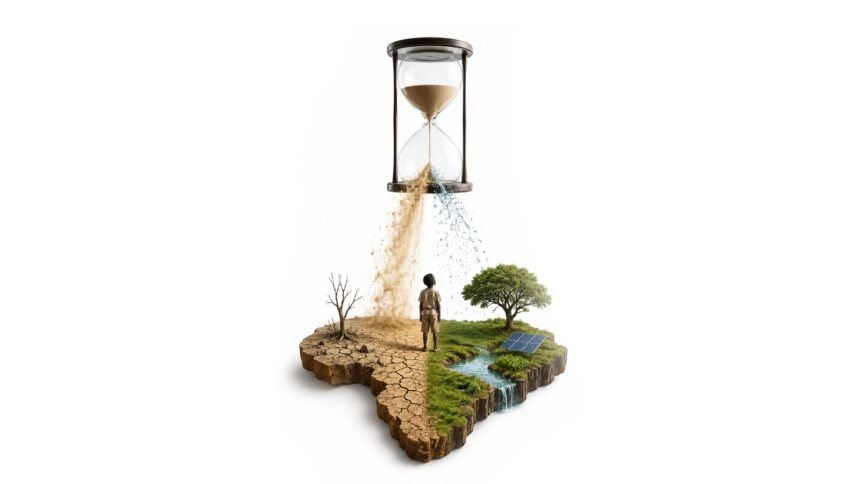
Across the African landscape, the contemporary configuration of economic self-determination increasingly intersects with global atmospheric degradation. The Pan-African vision of a self-sustaining and resilient continent is fundamentally challenged by climate change that transcends statutory borders. While sub-Saharan nations historically contributed the least to cumulative global greenhouse gas emissions, the continent bears a disproportionate burden of the resulting ecological damage. Reclaiming Africa’s economic and social future requires a unified transition toward ecological sovereignty, ensuring that continental governance frameworks protect local populations from external environmental shocks, secure territorial resource integrity, and assert Africa’s collective rights within global climate negotiations.
Climate Hazards on Africa: A Matrix of Environmental Destabilization
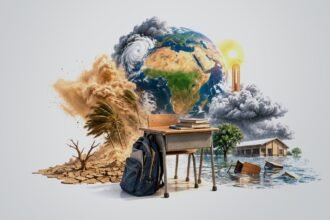
The contemporary environmental landscape of the African continent is characterized by widespread and intensifying climate-related risks that threaten to undermine decades of developmental progress. According to institutional data compiled by global monitoring agencies, atmospheric shifts have triggered severe structural shocks across fragile ecosystems. Arid regions are experiencing prolonged water scarcity, while agricultural zones face unprecedented soil degradation, altering the baseline productivity of local agrarian economies. This structural destabilization leaves national planning ministries under constant fiscal strain, as state resources must continually be redirected from long-term infrastructure investment to fund emergency humanitarian relief and stabilize fractured local supply chains.
Extreme Weather: The Velocity of Atmospheric Shocks
An accelerating frequency of catastrophic, high-velocity extreme weather events defines the practical manifestation of global climate volatility across the region. Massive river corridors and coastal settlements are routinely overwhelmed by unprecedented flash flooding and intense tropical cyclones that destroy critical municipal infrastructure, roads, and residential dwellings. Conversely, sub-Saharan interiors are locked in severe, multi-year droughts that decimate livestock herds, dry up vital freshwater reservoirs, and trigger widespread crop failures. These concurrent and alternating weather extremes prevent the establishment of predictable agricultural calendars, exposing rural and urban communities alike to volatile resource deficits and sudden displacement.
Public Health & Climate: Pathogenic Vectors and Systemic Strain
The intersection of climate hazards and public health infrastructure introduces severe operational strain across peripheral medical networks. Rising ambient temperatures and altered precipitation patterns have significantly expanded the geographic range and transmission velocity of dangerous vector-borne diseases, most notably malaria and dengue fever. Furthermore, the systematic compromise of freshwater sources during flooding and drought cycles accelerates the proliferation of water-borne pathogens, leading to recurring outbreaks of cholera and acute diarrheal illnesses. This climate-driven epidemiological surge overwhelms underfunded rural clinics, draining the state’s pharmaceutical buffers and complicating national disease control initiatives.
Children as the Most Vulnerable to Climate Hazards: The Somatic Crisis of the Youth
Within these zones of environmental crisis, the pediatric demographic is disproportionately affected by a dangerous cascade of multiple, overlapping hazards. Data from the United Nations Children’s Fund (UNICEF) Children’s Climate Risk Report highlights a profound crisis, revealing that almost all of the world’s children are exposed to at least one major climate hazard, with up to 1.8 billion at risk from droughts and 1.2 billion from extreme heat. Crucially, as many as 1.1 billion children globally are trapped in environments featuring at least three overlapping climate risks, including severe air pollution and systemic water scarcity. Children suffer severe somatic vulnerabilities because their developing physiology makes them highly susceptible to heat stress, malnutrition, and rapid dehydration. When multiple environmental shocks overwhelm local social services, the risk of severe developmental setbacks and pediatric mortality rises sharply, turning global climate change into an immediate threat to the continent’s future human capital.
AU-UN Climate Efforts: Institutional Frameworks and Adaptive Governance
Addressing this systemic vulnerability requires highly coordinated, institutionalized interventions spearheaded by regional bodies and global governance networks. The African Union, in close coordination with United Nations agencies, has developed comprehensive climate adaptation frameworks to build localized community resilience. These international initiatives focus on upgrading early warning systems, strengthening cross-border meteorological tracking, and assisting member states in integrating climate risk assessments into formal educational and healthcare architectures. However, the practical rollout of these adaptive governance programs is frequently hindered by a lack of predictable, long-term financing, leaving peripheral communities dependent on reactive international aid rather than proactive structural defense.
Loss & Damage Funds: The Geopolitical Economy of Restitution
The mobilization of international development capital to counter sub-Saharan ecological degradation centers on operationalizing global Loss and Damage funds. For decades, African diplomats have argued that industrial nations have a clear moral and economic obligation to provide substantial, non-debt-creating financial restitution to societies enduring the worst impacts of global warming. True generational justice requires that these international funds move past bureaucratic delays to deliver direct, low-cost capital injections for public infrastructure rehabilitation. Restoring sovereign fiscal space allows affected nations to independently fund large-scale climate adaptation, rebuild shattered school networks, and establish robust social safety nets for displaced populations without increasing their external debt burdens.
Industrialization & Development & Environment: Balancing Structural Progress
The path toward sustainable continental development requires an exceptionally delicate balance between rapid industrialization, poverty reduction, and environmental conservation. To lift millions of citizens out of structural poverty, African nations must aggressively expand their manufacturing sectors, build high-capacity transport and logistics infrastructure, and utilize their natural energy resources. However, this necessary drive for economic growth must be carefully managed to avoid repeating the carbon-heavy mistakes of Western industrialization. By utilizing advanced process technologies, investing in decentralized renewable energy grids, and enforcing strict environmental protection codes, emerging economies can cultivate a clean, competitive, and self-sustaining industrial landscape where economic progress and ecological health advance together.
The Future Aspirations: Cultivating Inclusive and Resilient Horizons
The long-term transformation of Africa’s environmental landscape depends on a decisive transition away from short-term crisis management toward a permanent, legally secure roadmap for ecological safety. Achieving future aspirations for continental well-being requires national governments to sustain investments in climate-resilient water systems, localized agricultural irrigation, and child-centered healthcare infrastructure. Furthermore, public policy must focus on empowering the next generation, providing youth with the technical education and green skills necessary to lead the developing clean economy. By combining disciplined fiscal management with an unyielding commitment to environmental integrity and social equity, African states can transition from a position of systemic vulnerability to secure a prosperous, transparent, and completely self-determining future for the republic.