





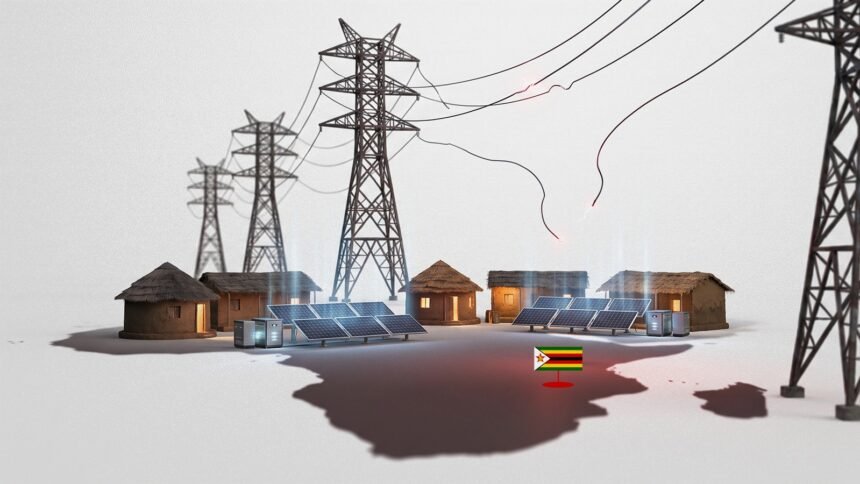
The Regional Imperative for Interconnected Energy Security
Across the African landscape, the structural transformation of domestic power grids remains a vital prerequisite for securing macro-economic stability and achieving industrial integration. Under the collective mandate of the Southern African Power Pool (SAPP), the harmonization of regional transmission infrastructure is engineered to insulate individual member states from localized supply-side disruptions. However, this regional economic integration also exposes participating nations to systemic cross-border vulnerabilities. Reclaiming the future of the African energy sector requires a transition away from fragmented national utilities toward a resilient, unified regional network capable of managing variable loads, absorbing sudden technical failures, and ensuring that the continent’s collective energy capital is equitably and sustainably distributed.
A Deficit of Dependable Capacity
A persistent and widening gap between total installed capacity and actual, dependable output characterizes Zimbabwe’s energy outlook. Nominally, the state power apparatus possesses a total national on-grid installed generation capacity of 2,962 megawatts, a figure that technically exceeds the national peak demand of approximately 2,000 megawatts. However, the country’s dependable or operating capacity is severely constrained, routinely fluctuating between a meager 1,200 and 1,600 megawatts. This structural deficit forces the national utility, the Zimbabwe Electricity Supply Authority (ZESA) Holdings, to rely heavily on extensive load-shedding protocols during peak demand periods and expensive emergency power imports from neighboring South Africa, Mozambique, and Zambia to maintain baseline grid stability.
The Urban-Rural Infrastructure Divide
The distribution of electrical infrastructure across Zimbabwe reflects deep structural disparities in energy access between urban municipalities and rural areas. According to the national census, the country maintains an average national energy access rate of approximately 62%, yet this metric masks a profound geographic imbalance. While urban centers achieve an electrical coverage rate of 86%, rural provinces collapse to a sparse 37%.
This infrastructure divide leaves millions of citizens dependent on biomass and firewood for their primary thermal energy needs. The expansion of the transmission network is further constrained by an immense administrative backlog at the Zimbabwe Electricity Transmission and Distribution Company (ZETDC), which currently faces a backlog of 467,470 unconnected clients due to high connection fees that the majority of rural households cannot afford.
Anatomy of a Total Grid Collapse
The structural precarity of the national infrastructure culminated in a catastrophic event on Monday evening, July 6, 2026, when a sudden, nationwide power outage struck Zimbabwe. ZESA reported that the system-wide blackout occurred precisely at 1824 local time (1624 GMT), completely paralyzing the country’s domestic, commercial, and industrial operations. According to official communications from the utility, the total grid collapse was precipitated by a sudden technical fault on its transmission network.
As engineered safety mechanisms failed to contain the localized failure, the destabilization swept across the Central Transmission Corridor, completely disconnecting the national grid. While ZESA’s technical teams and engineers immediately initiated extensive investigations and deployment protocols to restore baseline grid stability, the event underscored the profound systemic vulnerability of a network operating without adequate reserves or modern automation.
The Vulnerability of a Dual Mix
Zimbabwe’s primary electricity generation is based on a rigid dual mix of aging thermal assets and a single, massive hydropower installation, both of which face severe operational bottlenecks. The core generation fleet is managed by the Zimbabwe Power Company (ZPC) and includes:
- The Hwange Thermal Power Station: This coal-fired facility has a legacy installed capacity of 920 megawatts for units 1 through 6, supplemented by the recently commissioned 600-megawatt Hwange 7 and 8 expansion project. Despite this significant addition, the plant is continually crippled by forced outages and technical failures, frequently running only four of its six older units due to decades of aging equipment and a chronic shortage of foreign currency needed to purchase specialized spare parts.
- The Kariba Hydropower Station: Operating with an installed capacity of 1,050 megawatts following the completion of the Kariba 7 and 8 extension project, this facility serves as the nation’s primary source of low-cost electricity. However, its actual operational output is severely limited by climate change and prolonged droughts, which have forced strict water conservation measures and drastically curtailed power generation at the Kariba Dam.
Cultivating Distributed Alternatives
To mitigate the dual threats of thermal equipment failures and climate-induced hydropower contraction, Zimbabwe is pursuing a targeted expansion of its renewable energy footprint. The state’s National Renewable Energy Policy has set an ambitious target of achieving 2,100 megawatts of renewable capacity by 2030, with a major emphasis on utilizing the country’s abundant solar irradiation, which averages 3,000 hours of sunshine per year.
The renewable energy market has grown significantly, reaching an estimated 1.68 gigawatts in 2026. Independent Power Producers (IPPs) have emerged as critical drivers of this transition, successfully feeding over 100 megawatts of variable renewable energy into the national grid through projects such as the 5-megawatt Solgas Solar Park and various mini-hydro schemes in the Eastern Highlands. However, the integration of these variable resources remains constrained by severe currency convertibility complexities that discourage large-scale private equity investment.
Macroeconomic Squeezes and Sovereign Risk Premiums
A structural lack of access to international concessional financing and low-cost, long-term capital profoundly hinders the rehabilitation of Zimbabwe’s utility infrastructure. Due to the state’s substantial outstanding external creditor obligations and historical defaults, international financial institutions, including the International Monetary Fund (IMF), maintain stringent restrictions on direct budgetary support for state-owned enterprises.
This macro-financial isolation has saddled ZESA Holdings with limited financial credibility, as it cannot secure the multi-million-dollar loans required to replace its antiquated transmission lines. Operating under high country-risk premiums, the government faces a severe foreign currency shortage, creating a systemic barrier that prevents the state from maintaining its current assets, let alone financing the deep infrastructural overhauls demanded by a modern economy.
Engineering a Resilient and Decentralized Grid
The resolution of Zimbabwe’s chronic energy crisis requires a comprehensive shift away from an over-centralized, state-funded utility model toward a modernized, high-integrity, decentralized grid architecture. Immediate operational priorities must focus on the rapid deployment of distributed renewable mini-grids across rural and peri-urban provinces to bypass the transmission network bottleneck effectively. To attract the required private investment, the government must introduce robust currency convertibility guarantees for independent power producers and clarify the legal frameworks governing bulk off-take agreements.
Furthermore, the state must aggressively collaborate with regional SAPP partners to rehabilitate the Central Transmission Corridor, transforming Zimbabwe from a vulnerable consumer into a stable regional hub for energy trading. Only by integrating modern grid-stabilization technologies, diversifying the energy mix with solar and biomass, and resolving systemic macroeconomic defaults can the nation ensure that its industrial future is never again plunged into darkness by a single technical fault.