




Pan-African: Collective Vulnerability in a Fragmented Global Order
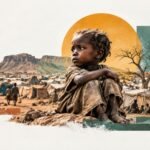
Across the African continent, the discourse on economic development is increasingly overshadowed by a systemic debt crisis that threatens to derail the aspirations of Agenda 2063. The current global financial architecture, while ostensibly designed to provide stability, often leaves African nations navigating a labyrinth of high-interest obligations and external shocks. For the Pan-African community, the challenge is not merely fiscal management but achieving a unified voice in a global order that frequently marginalizes the continent’s needs. True sovereignty in the 21st century is predicated on African states’ collective ability to bargain for a more equitable financial system that prioritizes human development over debt servicing.
Africa’s Debt Outlook: The Weight of Undisclosed Burdens
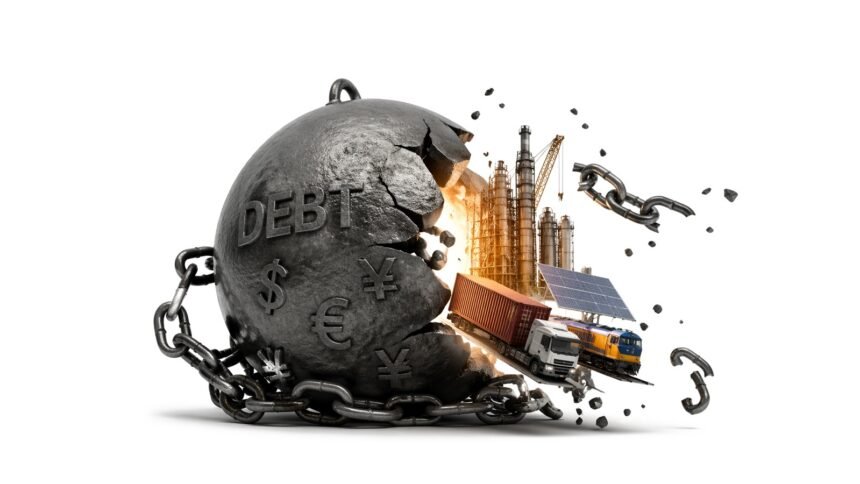
A precarious balance between necessary borrowing and unsustainable accumulation defines the debt outlook for Africa in 2026. Recent revelations of undisclosed debts in several nations have triggered a crisis of confidence, leading to the suspension of critical support programs and a tightening of international credit. The continent currently faces a “bulging debt burden” that is exacerbated by global inflationary pressures and a slowdown in growth. With regional averages lagging global recovery rates, many African states find themselves trapped in a cycle in which a significant portion of national revenue is diverted from public services to meet the demands of international creditors.
Africa-US Relations: The Hegemony of Solution-Seeking
The relationship between Africa and the United States remains a central, albeit complex, pillar of the continental financial strategy. At the recent IMF and World Bank Spring Meetings in Washington, the reliance on U.S.-led solutions was starkly evident. While African leaders seek rapid financial support to cushion the shocks of global conflicts, such as the war in Iran, the path to liquidity often runs through Washington. This dependence grants the U.S. significant leverage in shaping African fiscal policies, often tying emergency aid to rigorous transparency and structural reform requirements. This dynamic underscores a persistent hierarchy in which African economic survival is often contingent on the diplomatic and financial priorities of the Global North.
Dependency & Underdevelopment: The Multilateral Trap
The structural limitations of the IMF and World Bank in mitigating global shocks have highlighted the enduring nature of African dependency. Despite pledges of billions to ease the pain of energy shocks, the underlying “underdevelopment” of many African economies remains unaddressed. The current model of providing high-interest loans to fund consumption and address immediate crises often reinforces dependency rather than fostering self-sufficiency. Critics argue that without a fundamental restructuring of these multilateral institutions, African nations will remain in a “trap” where they are perpetually borrowing to pay for the consequences of a global order they did not create.
Investments & Industrialization: Beyond the Rentier Model
To escape the cycle of debt, African nations must transition from a reliance on raw material exports toward robust industrialization. The discovery of critical minerals and energy reserves offers a potential path to prosperity, but only if these resources are managed through a value-addition lens. Attracting sustainable investment requires a stable fiscal environment, yet the current debt crisis often discourages the very long-term capital needed for industrial expansion. Breaking the “rentier model” is essential to ensure that economic growth is driven by a diversified domestic manufacturing base that can generate the foreign exchange required to stabilize national balance sheets.
AfDB Efforts: The Push for Regional Resilience
While global institutions often move slowly, the African Development Bank (AfDB) has been a vocal advocate for more specialized, regional responses to the continent’s needs. The AfDB emphasizes “resilience” through the financing of infrastructure and energy diversification projects that reduce Africa’s vulnerability to external shocks. By championing initiatives that promote internal trade and local industrial hubs, the AfDB seeks to provide a counterweight to the often-rigid conditions imposed by Washington-based lenders. These efforts are vital for creating a “buffer” that allows African nations to manage their own developmental timelines and priorities.
The Way Forward: Toward a New Fiscal Contract
The way forward for Africa requires a new fiscal contract between the continent and the global financial community. This must involve more than just temporary debt relief; it requires a systemic move toward debt sustainability and a rejection of neocolonial tendencies in economic policy. African nations must prioritize internal resource mobilization and strengthen regional trade links to reduce their exposure to global volatility. Ultimately, the future belongs to those who do not allow themselves to be blinded by the immediate need for liquidity but instead build the foundations of a sovereign, industrialized, and self-sufficient continent. Only through such a radical reorientation can Africa ensure that its development is commensurate with its true potential and physical vastness.