




Extractive Illicit Flows and Continental Vulnerability
Across the African landscape, the systematic exploitation of transport infrastructure by international syndicates represents a severe threat to continental integration and sovereign security. For decades, global illicit networks have viewed the African continent not merely as a destination market, but as a low-resistance transit corridor linking primary production zones in South America to high-value consumer markets in Europe. This extractive illicit economy functions in direct opposition to the Pan-African ideal of a unified, self-reliant space. By infiltrating commercial logistics networks, maritime portals, and aviation networks, transnational criminal organizations exploit institutional vulnerabilities, divert domestic resources toward reactive law enforcement, and challenge the capacity of African states to maintain definitive sovereign control over their borders.
The Transatlantic Transit Hub
The macro-level security profile of West Africa is increasingly defined by its geographic positioning as a major staging post for the maritime and aerial trafficking of narcotics. The region’s expansive, porous land borders and vast coastal littorals are systematically targeted by South American cartels seeking alternative routes to evade traditional transatlantic security barriers. This ongoing penetration has introduced sophisticated criminal networks into the sub-region, transforming local economies into transit economies and facilitating a broader regional contagion of illegal activities. The influx of high-value contraband fuels corruption, weakens institutional integrity, and introduces significant security risks that extend far beyond border controls, directly threatening the long-term stability of neighboring states.
The Infiltration of Commercial Logistics
Within Liberia’s domestic borders, organized crime has evolved to target key state aviation and logistics infrastructure. Criminal networks operating within the country are no longer isolated syndicates; instead, they function as deeply integrated, transnational structures capable of manipulating formal corporate bodies to mask their operations. Investigations have revealed that these networks aggressively exploit local logistics firms, using corporate personnel to falsify customs documentation and to manage large-scale, systematic illicit imports. This strategic infiltration of the formal economy poses a complex challenge for local law enforcement, as criminal actors embed their illicit cargo within everyday commercial supply chains, using the country’s main trade routes as low-profile conduits for international contraband.
The Seasoning Cube Contraband
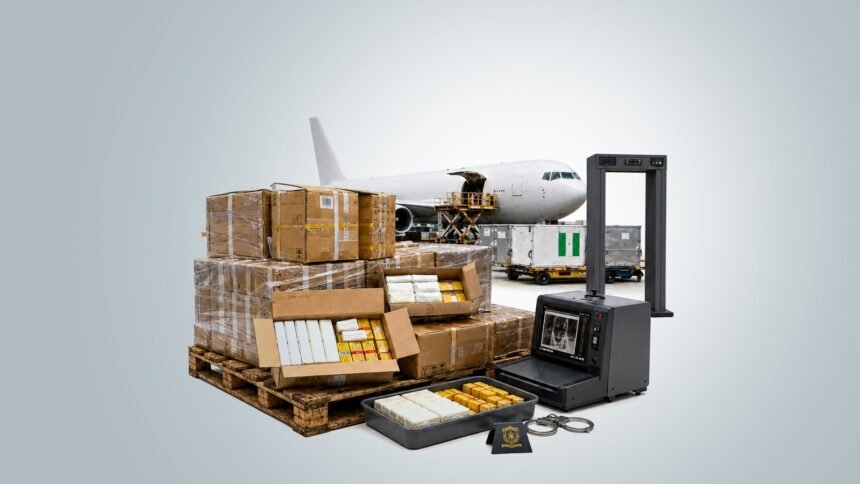
A major narcotic discovery at the international airport in Monrovia recently highlighted the tactical ingenuity of these trafficking syndicates. During a targeted customs inspection, security officials intercepted a massive, high-value shipment containing more than 200 kilograms of pure cocaine. To evade advanced detection protocols and bypass airport security, the transnational syndicate had systematically packaged and falsely declared the multi-million-dollar illicit cargo as standard Maggi seasoning cubes. With an estimated international market value of $19 million (£14.2 million), this sophisticated shipment represents one of the largest and most valuable cocaine seizures in the history of the country, illustrating the massive financial scale and complex concealment methods deployed by cartels to breach Liberian entry points.
The Monrovia Airport Operation
The successful interdiction at Monrovia’s international airport on June 8 initiated a multi-layered law enforcement operation that culminated in formal charges against five suspects. Led by Inspector General Gregory Coleman, the Liberian National Police initiated a comprehensive investigation that uncovered evidence directly linking the seized cargo to a similar trafficking operation previously executed in neighboring Sierra Leone. The operation quickly transitioned into a major domestic political flashpoint due to a prolonged delay by law enforcement in publicly naming the suspects, prompting a special Senate hearing amidst intense public speculation regarding the potential involvement of high-ranking citizens.
The investigation advanced significantly when Inspector General Coleman announced the discovery of evidence implicating the operations manager of the local logistics company responsible for clearing the shipment. While this key suspect was successfully detained in Monrovia, the remaining four suspects fled the jurisdiction, with one individual reportedly hiding in China. In response, Liberian prosecutors have taken the unusual step of publicly releasing the foreign contact details and residential addresses of the international suspects, including a Dutch phone number and a property in Birmingham, while formally applying to Interpol for international arrest warrants to dismantle the remaining components of the transnational network.
Protecting the Vulnerable Social Fabric
The unchecked expansion of international drug trafficking through West African corridors introduces severe socio-economic consequences that directly impact local human rights and community safety. While the primary target for these high-grade narcotics remains the European consumer market, the domestic spillover effects are devastating for transit communities. A significant portion of smuggled contraband is routinely retained locally as payment for logistical services, driving up the domestic supply of cheap, adulterated narcotics and fueling a localized epidemic of substance abuse. This dynamic exacerbates urban crime, stretches underfunded public health infrastructure, and compromises the basic human right to security and well-being within vulnerable urban populations, as local youth are systematically pulled into the lowest, most violent tiers of the illicit drug trade.
Structural Barriers and Past Precedents
A history of high-profile seizures and structural judicial vulnerabilities underscores the systemic challenge of drug trafficking in Liberia. In October 2022, Liberian authorities achieved a breakthrough by intercepting a shipping container at a major seaport housing 520 kilograms of cocaine valued at $100 million (£74.8 million). However, the long-term efficacy of these law enforcement successes remains compromised by weaknesses within the domestic judicial process; notably, one of the primary suspects named in the recent airport bust had been previously arrested and subsequently released in connection with another high-profile drug case. This cycle of arrest and release underscores the critical need for the African Union and the United Nations Office on Drugs and Crime (UNODC) to intensify their institutional support, focusing on strengthening judicial integrity and harmonizing regional cross-border prosecutorial frameworks to prevent syndicates from exploiting local legal loopholes.
The Sovereign Declaration Against Safe Havens
The latest developments in the region indicate an escalating political commitment to elevate anti-narcotics enforcement to a matter of primary national security. In direct response to the public uproar surrounding the Monrovia airport seizure, President Joseph Boakai ordered a combined, high-level investigation uniting the national police force with the country’s specialized anti-drug agency. Issuing a decisive sovereign declaration, President Boakai asserted that Liberia will not be used as a haven, storage warehouse, financial center, or operational base by international criminal networks engaged in narcotics trafficking.
An intensification of cross-border security operations across neighboring states has matched this high-level political alignment. The critical nature of these combined operations is reflected in recent European maritime actions, including a massive Spanish-led naval raid near the Canary Islands that successfully seized a cargo vessel carrying over four tonnes of cocaine bound for Libya. By linking domestic airport enforcement with international maritime operations and Interpol tracking, Liberia is actively re-engineering its security apparatus, ensuring that its vital transit infrastructure is permanently protected from the destabilizing influence of transnational organized crime.