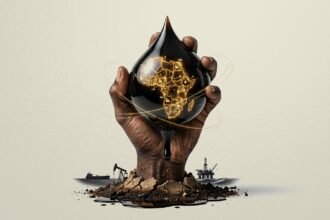



African leaders called for a major rethink of how the continent finances development, manages natural resources, and positions itself in the global economy, saying Africa must strengthen its economic sovereignty and reduce its dependence on fragmented financing systems and raw commodity exports.
Speaking during the ongoing African Development Bank Group (AfDB) Annual Meetings 2026 in Brazzaville on May 26, leaders said Africa must strengthen domestic financial systems, mobilize more local capital, accelerate industrialization, and ensure its natural resources generate greater value within the continent rather than mainly benefiting external markets.
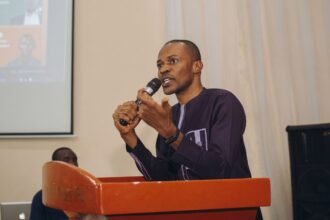
During the presidential panel, Denis Sassou Nguesso, the President of the Republic of Congo, said Africa’s development agenda can no longer depend on limited or disconnected financing approaches, warning that the continent’s growing needs require a more ambitious and coordinated strategy.
“The financing of Africa’s development now requires more ambitious approaches, grounded in a sustainable and coherent dynamic. The challenge is not only to find more resources, but also to better orient them, to use them more effectively, and to dedicate them to investments capable of transforming the living conditions of our populations,” he said.
Sassou Nguesso argued that development financing should become a tool for sovereignty, social justice, and shared prosperity, while also calling for reforms to the global financial architecture to make it more responsive to African realities.
He also said that Africa should push to gain greater control over how its wealth, natural resources, and financial systems are managed.
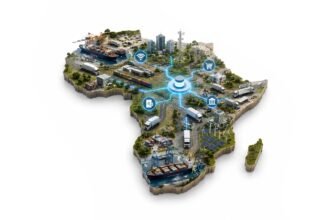
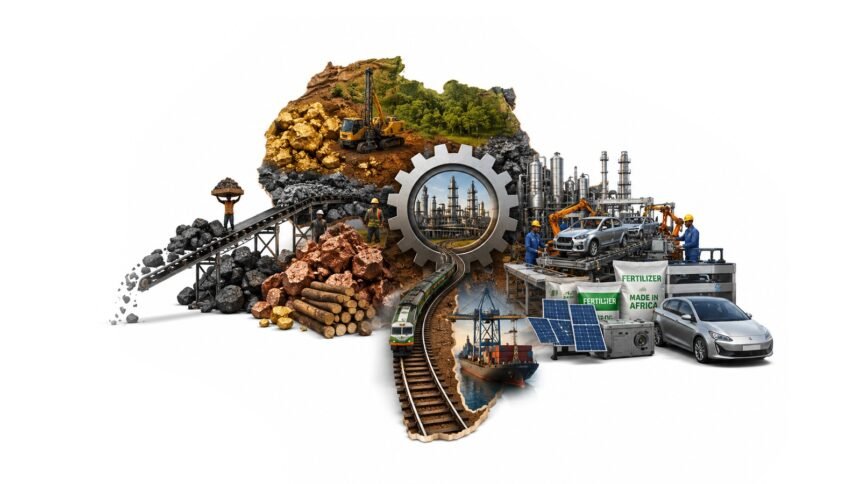
Sassou Nguesso pointed to Congo’s plans to use its reserves of potash, phosphate, and natural gas to produce fertilizers locally for African and international markets, while also highlighting ongoing investments in roads, railways, bridges, and ports aimed at strengthening regional trade links.
Faustin-Archange Touadéra, the President of Central Africa, said African countries emerging from conflict continue to face difficulties accessing long-term development financing despite possessing significant natural resources and economic potential.
“We have moved from crisis management to the real questions of development. Sectors such as mining, agriculture, forestry, and biodiversity still hold major untapped opportunities for investors,” he said.
“The urgency of accelerating energy access across the continent is much needed; even smaller-scale solar solutions could significantly improve the lives of communities that still lack reliable electricity, and all these are markets and investment opportunities for the whole continent.”
The President of Gabon, Brice Oligui Nguema, said that the country is positioning environmental protection as part of its long-term economic strategy, as it remains heavily forested and has one of the continent’s lowest deforestation rates.
“We have enormous biodiversity and vast forest resources, but these resources must also contribute to the development of our economies. The country also plans to expand mining, transport, and energy infrastructure, including a deep-water port, railway projects, and hydroelectric investments aimed at supporting industrialization and mineral processing,” he said.
Nguema stressed that peace and political stability remain essential for attracting investors and sustaining development efforts across the continent.
Across the discussions, leaders repeatedly emphasized that Africa’s future growth will depend not only on the availability of capital, but on whether the continent can build institutions, financial systems, and partnerships capable of directing resources into productive sectors with long-term economic impact.
Speaking during the same panel, the President of the AfDB, Sidi Ould Tah, said the continent already possesses significant financial potential but lacks the structures needed to channel capital into transformative projects.
“Africa still struggles to attract sufficient large-scale investment because many projects remain difficult to finance, and investment environments continue to carry high risk perceptions. We must work with African financial institutions and governments to develop bankable projects and mobilize financing through appropriate mechanisms,” he said.
Tah added that the Bank is entering “a new phase”, in which it will increasingly act as a platform that brings together governments, private investors, and development partners to mobilize financing at scale.
Leaders also linked economic sovereignty to industrialization and regional infrastructure development, arguing that Africa must stop exporting raw materials without local transformation.