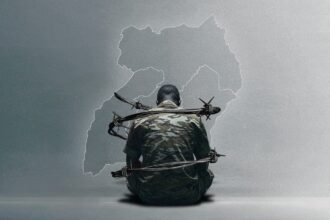






In the intricate tapestry of African politics, the subversion of constitutional term limits is a hallmark of authoritarian resilience, as incumbents reshape legal foundations to defy temporal constraints. Cameroon under Paul Biya epitomizes this phenomenon, with his 43-year tenure extending into an eighth term amid widespread allegations of electoral manipulation. This analysis delves into Cameroon’s experience, drawing parallels with the Ivory Coast’s Alassane Ouattara to unpack the historical, institutional, and societal forces that perpetuate such longevity. At stake is not merely individual ambition but the broader continental struggle between entrenched power and the imperatives of generational equity, where economic promises often mask deepening fissures.
Echoes of Empire: Pan-African Roots of Enduring Rule
Africa’s governance models frequently echo pre-colonial hierarchies and colonial administrative legacies, where authority was centralized in figures embodying continuity rather than fleeting mandates. Post-independence leaders, navigating fragile nation-states forged from arbitrary borders, often positioned themselves as paternal guardians against fragmentation, blending republican facades with monarchical permanence. Paul Biya’s ascent in 1982, following Ahmadou Ahidjo’s abrupt resignation, initially hinted at reform; Biya pledged multiparty democracy and economic liberalization amid the one-party state’s dissolution. Yet, this masked a consolidation of power, as opposition formations were co-opted or marginalized. The 1996 constitution, ostensibly democratizing, introduced a two-term, seven-year presidential limit, but Biya’s regime viewed it as malleable. By 2008, a parliament overwhelmingly loyal to his Cameroon People’s Democratic Union (RDPC) unilaterally amended the charter, excising term limits and conferring post-tenure immunity—a move carried out without a public referendum, rationalized as a safeguard of unity amid ethnic tensions and economic recovery from the 1980s downturn. This tactic resonates across the continent: from Uganda’s Yoweri Museveni amending limits in 2005 after guerrilla-forged legitimacy, to Burkina Faso’s Blaise Compaoré’s failed 2014 bid thwarted by mass revolt. In Cameroon, Biya’s narrative invokes anti-imperial sovereignty, portraying term adherence as neocolonial meddling, disruptive to a multi-ethnic mosaic, including the volatile Anglophone-Francophone divide inherited from partitioned mandates. Unlike Ivory Coast, where Ouattara’s 2016 constitutional reset followed civil strife and yielded tangible stability, Cameroon’s alterations entrenched a gerontocracy, with Biya at 92 embodying a disconnect from a youth-heavy populace where over 60 percent are under 25, fostering patronage webs that prioritize loyalty over competence and stifling the pan-African vision of adaptive, collective progress.
Barriers to Change: The Machinery of Constitutional Subversion
Smooth political transitions remain elusive in Africa, hampered by incumbents’ mastery of institutional levers—electoral commissions, judiciaries, and security forces—to forestall rivals and recalibrate rules. Biya’s playbook illustrates this: opposition candidates face disqualification on technicalities, media outlets endure censorship, and elections unfold in a compressed timeline favoring incumbents. The 2008 amendment, passed amid minimal debate, not only nullified limits but symbolized elite capture, as RDPC dominance ensured unopposed legislative acquiescence. Subsequent polls in 2011, 2018, and now 2025 have mirrored this, with Biya securing victories—most recently over 53 percent—despite boycotts and fraud claims from figures like Maurice Kamto, whose 2018 challenge ignited nationwide demonstrations. The Anglophone crisis, erupting in 2016 from grievances over linguistic marginalization and centralized control, has compounded these challenges; teachers and lawyers’ strikes escalated into armed separatism, displacing over 700,000 and killing thousands, yet Biya’s response—declaring war and convening a selective “national dialogue”—has prioritized military containment over devolution, eroding legitimacy. Comparatively, Ouattara’s barring of opponents in the Ivory Coast’s 2025 vote drew criticism but was offset by cocoa-fueled growth and infrastructure, presenting continuity as pragmatic renewal. Cameroon diverges sharply: Biya’s absences, often in Europe for health, and opulent expenditures underscore detachment, while unresolved conflicts in the northwest and southwest regions fragment authority. Civil society, including human rights networks, pushes for term restoration through advocacy and litigation but faces repression; the African Union and United Nations mediations, bound by non-interference norms, offer dialogue platforms but lack enforcement teeth, as seen in the AU’s observational missions that note irregularities without decisive intervention. This stasis risks elite succession battles or praetorian interventions, echoing Mali’s coups, where youth disillusionment intersects with jihadist threats, highlighting Cameroon’s vulnerability without a clear handover blueprint.
The Fragile Balance: Democracy’s Retreat Amid Stability’s Shadow
The perennial tension in African polities pits democratic rotation—essential for accountability and innovation—against the allure of seasoned stewardship, which is purportedly designed to avert the volatility plaguing neighbors. Biya’s endurance is lauded by supporters for averting the coups that felled leaders in Chad or Sudan, maintaining a veneer of order in a resource-rich nation bordering unstable frontiers. Yet, this stability exacts costs: post-2008, repression intensified, with opposition crackdowns and internet shutdowns during unrest signaling a shift from relative openness to authoritarian closure. Economic narratives falter here; Cameroon’s lower-middle-income status masks stagnation—GDP growth averaging under 4 percent amid debt distress, youth unemployment soaring above 13 percent officially (likely higher informally), and inequality exacerbated by patronage. The 1980s-1990s crisis, triggered by oil price slumps and structural adjustment failures, lingers in public memory, with Biya’s tenure failing to diversify beyond agriculture and hydrocarbons, unlike Rwanda’s tech pivot under term-constrained leadership. Critics decry “forever presidencies” as breeding corruption, where immunity shields embezzlement, in contrast to democratic exemplars like Ghana’s peaceful alternations, which foster investor confidence. Pan-African ideals, enshrined in the AU’s charter prohibiting unconstitutional changes, ring hollow amid selective enforcement; Cameroon’s hybrid regime—elections as performative rituals—undermines trust, fueling parallel governance in crisis zones. This dilemma echoes continent-wide: where Ouattara’s extensions correlate with post-war rebound, Biya’s evoke ossification, questioning whether longevity yields wisdom or atrophy in addressing climate shocks, urbanization, and demographic pressures.
Generational Reckoning: Gen Z’s Defiance Against Dynastic Drift
Africa’s youth bulge ignites a protest renaissance, with digitally empowered generations challenging octogenarian monopolies that block opportunity and agency. In Cameroon, Biya’s 2025 triumph—proclaimed amid opposition rejection and fraud accusations—sparked deadly clashes, claiming at least four lives as security forces dispersed demonstrators in urban centers like Douala and Yaoundé. Gen Z, comprising the electoral majority yet politically sidelined, frames Biya’s rule as generational expropriation, amplifying grievances via social media against job scarcity, inflation, and unheeded aspirations. Unlike hierarchical oppositions vulnerable to buyouts, these movements—leaderless and intersectional—link electoral theft to broader ills, including the Anglophone quagmire’s displacement and economic exclusion. Parallels abound: Kenya’s 2024 anti-finance bill uprising or Senegal’s youth-driven ouster of Macky Sall’s bid for a second term underscore a continental wave, where demographics demand inclusion beyond token youth wings. In Cameroon, protests transcend urban elites, mobilizing diaspora and rural discontent, pressuring for the reinstatement of the term and federal reforms. State responses—tear gas, arrests—highlight fragility; while Ivory Coast’s youth temperance stems from Ouattara’s deliverables, Cameroon’s volatility stems from perceived irrelevance, with Biya’s age symbolizing obsolescence. Civil society amplifiers, from student unions to NGOs, navigate crackdowns, yet digital resilience sustains momentum, portending an escalation absent concessions such as electoral audits or succession timelines.
Pathways to Pivot: Envisioning Africa’s Democratic Horizon
Cameroon’s impasse foreshadows Africa’s crossroads: can entrenched regimes evolve toward inclusive transitions, or will inertia precipitate rupture? Economic headwinds—commodity dependence, fiscal strains—underscore the need for nimble leadership; Biya’s stasis hampers diversification, leaving untapped the dividends of youth amid migration pressures. Pan-African mechanisms hold promise: AU reinforcements on term norms, via peer reviews or sanctions, could deter extensions, complemented by UN-facilitated dialogues emphasizing youth quotas and anti-corruption pacts. Domestically, elite pacts for managed handovers—perhaps anointing technocratic successors—might avert vacuums, though RDPC intransigence favors perpetuation. Broader reforms, such as independent commissions and devolved powers, could reconcile stability with renewal, drawing on Botswana’s meritocratic rotations. Ultimately, Cameroon’s saga, intertwined with peers, affirms that authentic sovereignty demands institutional vitality attuned to youthful vigor; neglecting this invites not just dissent but the erosion of the very cohesion leaders invoke, transforming demographic promise into a clarion for reinvention across the continent.