




The Largest Beneficiary of Washington’s Duty-Free Trade Scheme for Africa is Preparing for The Possibility of Being Cut Out as Political Ties with the Trump Administration Sour
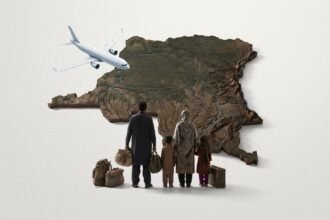
On 30 October 2023, the United States declared four African countries, the Central African Republic, Gabon, Niger and Uganda, ineligible for the African Growth and Opportunity Act (AGOA). This scheme gives eligible sub-Saharan countries duty-free access to the American market. The exclusions took effect on 1 January 2024. Three years on, South Africa’s president is telling his country it could be next.
Speaking at a briefing on Monday, President Cyril Ramaphosa said South Africa should “prepare” for the possibility of being removed from the program. “And by the way, so that I prepare our people for this, if we ever have a choice, we are not the first and only country to be taken out of AGOA. And I believe we will not be the last,” he said. He insisted there was no cause for panic: “I need, as president, to prepare us if it ever happens. So, we should not go out and jump off tall buildings and think that this is the end of the world.” He conceded, though, that the impact on jobs would be “devastating.”
South Africa is AGOA’s largest beneficiary, and its unease speaks to a wider question for the continent: how much of Africa’s export growth depends on preferences that can be granted or withdrawn by a single foreign government, and how quickly can those exports find other buyers? For South Africa, the answer will be measured in factories, ports and pay packets rather than in diplomatic language.
Congress Said Yes; the White House Decides
AGOA has been extended to the end of 2028. “Congress has decided that we should be kept in AGOA. What now remains is the executive,” Ramaphosa said, pointing to the final say that rests with President Donald Trump. He said it remained to be seen whether South Africa would stay in, that his government was in talks with American counterparts, and that some US officials have suggested South Africa should be excluded.
The timetable is tight. The US president reviews each country’s eligibility every year, and any removal requires 60 days’ notice to Congress and to the country concerned. For an exclusion to take effect on 1 January, it must be announced by 2 November, less than two weeks away. That leaves little time for talks to change minds in Washington, and little time for exporters to plan.
Why Washington Is Looking Hard at Pretoria
South Africa’s eligibility has come under scrutiny as Washington steps up its criticism of Pretoria, including allegations of discrimination against white Afrikaners that the South African government rejects as false. Relations have deteriorated sharply since Trump took office: Washington has cut aid, expelled South Africa’s ambassador and berated Ramaphosa in the Oval Office over discredited claims of a “white genocide.” In mid-September, the United States announced visa restrictions on South Africans who, in its words, promote “race-based discrimination, incite violence, or enable land confiscation without compensation in South Africa,” all issues the two countries dispute.
Last year the United States launched a program to resettle white Afrikaners who say they face persecution and violent crime. By 30 September, it had admitted 16,287 South Africans under that program over the preceding year; apart from five Afghans, they were the only people granted refugee status by Washington in that period.
What Is at Stake on the Assembly Line
Cars are the clearest example of what the preferences are worth. Under AGOA, South African vehicles enter the United States without customs duties. After precious metals, cars are South Africa’s second-biggest export earner in the US market, according to the country’s tax authority. In 2025, the automotive employers’ body Naamsa said 86,000 jobs at vehicle manufacturers were directly tied to the arrangement, rising to 125,000 when suppliers and subcontractors are included. Those are the jobs Ramaphosa had in mind when he used the word devastating.
Looking for Other Buyers
The government’s answer is diversification. Ramaphosa said South Africa would look for alternative markets to limit the damage, and that he and Deputy President Paul Mashatile have been traveling to explore them. He cited a recent trade arrangement with China as a positive step; in May, China introduced a zero-tariff regime for eligible South African goods. Replacing a market as large as the United States is not quick or simple, especially for a high-value, highly integrated industry like car manufacturing, but the direction of travel is clear.
Trade on Terms South Africa Can Shape
AGOA has always been a unilateral gift: generous when relations are good, revocable when they are not. Ramaphosa’s warning is, in effect, an admission that South Africa’s trade fortunes should not hang on one capital’s politics. Economic sovereignty in this sense means building options: deeper trade with China and other partners, and above all the African Continental Free Trade Area, where South African manufacturers could sell to neighbors on rules African governments write themselves. Whether or not Washington acts by 2 November, the lesson for the continent is the same.