





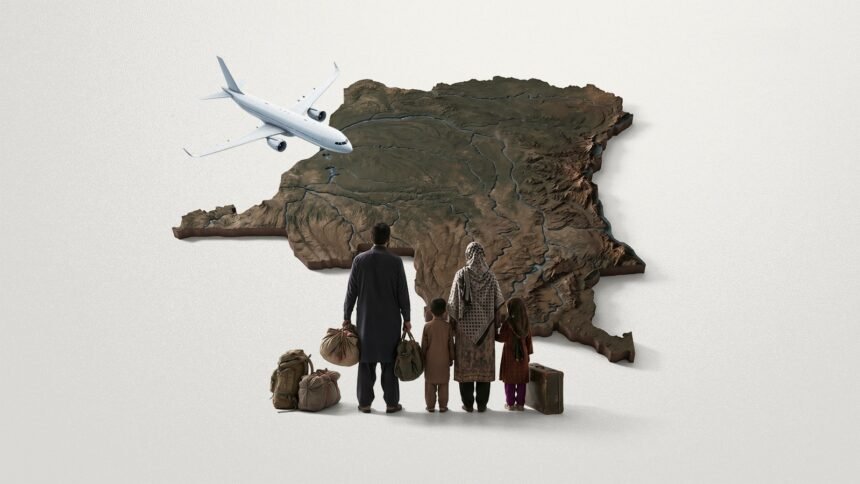
Pan-African: The Continental Responsibility toward the Displaced
Across the African landscape, the principles of hospitality and refuge have long been foundational to the Pan-African identity. The continent currently hosts a significant portion of the world’s displaced populations, reflecting a collective commitment to humanitarian solidarity. However, the proposal to resettle non-African populations, specifically those fleeing conflict in South Asia, within the heart of the continent introduces a new dimension to this responsibility. It challenges African nations to define the limits of their absorptive capacity while maintaining their standing as a sanctuary for those seeking a life free from the ravages of war and political persecution.
Africa-USA Relations: The Geopolitics of Asylum
The relationship between Africa and the United States is increasingly characterized by a transactional approach to migration management. As the Trump administration seeks to fulfill its domestic policy objectives, it has looked toward African partners to serve as third-country processing or resettlement hubs. This dynamic places African states in a complex position, where the potential for increased diplomatic favor or financial assistance must be weighed against the internal social and logistical pressures of hosting vulnerable populations. The current negotiations highlight a shift in bilateral relations where African geography is utilized to solve external administrative bottlenecks in the U.S. immigration system.
Deportations to Africa: The Burden of Third-Country Processing
The concept of deportations or forced resettlement to Africa has gained momentum as Western nations look for ways to externalize their asylum obligations. This “third-country” model involves sending individuals, who often have no historical or cultural ties to the continent, to African nations for permanent residence. Critics argue that this practice places an undue burden on developing economies that are already struggling to provide for their own citizens. For the receiving nations, these arrangements present significant challenges in maintaining public order and ensuring that the arrival of new populations does not exacerbate existing resource scarcities or communal tensions.
International Law & Human Rights: The Ethics of Resettlement
The proposed movement of people from Qatar to the Democratic Republic of Congo (DRC) raises profound questions regarding international law and the fundamental human rights of the displaced. Advocacy organizations have voiced sharp opposition, arguing that the DRC is an “unacceptable destination” due to its own protracted internal conflicts and humanitarian crises. International law mandates that resettlement must lead to a durable solution where individuals are safe from persecution and have access to basic rights. Sending vulnerable Afghans to a region currently struggling with significant instability may constitute a violation of the principle of non-refoulement and the ethical standards of global protection.
Inclusion & Integration: The Challenge of Cultural Synthesis
The success of any resettlement program is predicated on the successful inclusion and integration of the new arrivals into the host society. In the case of Afghan refugees in the Congo, the barriers to integration are substantial, encompassing linguistic, religious, and cultural divides. Effective integration requires a robust framework of social support, including access to housing, healthcare, and employment, which are already in short supply in many parts of the DRC. Without a deliberate and well-funded strategy for cultural synthesis, there is a high risk of social isolation and the creation of marginalized enclaves that can lead to long-term friction.
Africa-Afghanistan Relations: Unlikely Connections in a Globalized World
The historical and diplomatic links between the African continent and Afghanistan are minimal, making this proposed resettlement an unlikely connection in a globalized world. While both regions share a history of navigating the impacts of foreign intervention and internal conflict, they possess vastly different social and political structures. This lack of “shared context” makes the prospect of permanent resettlement particularly daunting. For the Afghans currently stranded in Qatar, the Congo represents a world entirely foreign to their own, highlighting the desperation of a global asylum system that prioritizes administrative clearance over the cultural and social needs of the individual.
AU-UN Efforts: Monitoring the Multilateral Compact
The African Union and the United Nations are tasked with monitoring these bilateral resettlement agreements to ensure they align with the Global Compact on Refugees. These multilateral bodies emphasize that resettlement should be a voluntary and dignified process that enhances, rather than undermines, regional stability. The AU has expressed caution regarding agreements that appear to turn African territory into a “dumping ground” for the administrative challenges of the Global North. Ensuring that these missions are transparent and adhere to international standards is essential for maintaining the integrity of the global refugee protection framework.
Recent Development: The Impasse in N’Djamena and Kinshasa
The most significant recent development is the reported talks between the Trump administration and the Democratic Republic of Congo regarding the resettlement of 1,100 Afghans currently awaiting U.S. visas in Qatar. While advocacy groups have confirmed the existence of these negotiations, the State Department and Congolese authorities have yet to officially confirm the details of the plan. This lack of transparency has fueled anxiety among both the Afghan community in Qatar and local populations in the DRC. As the summer of 2026 approaches, the situation remains a volatile impasse, illustrating the human cost of a geopolitical strategy that treats the displaced as pawns in a broader game of immigration enforcement.