




Pan-African Trade Integration
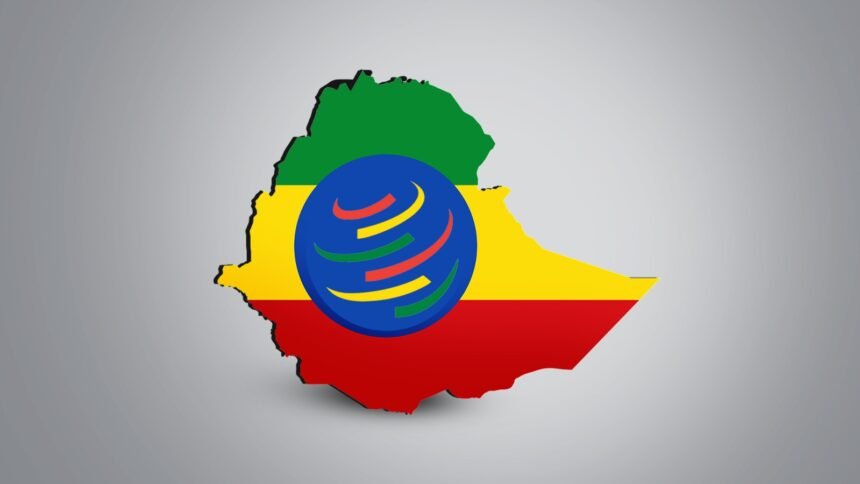
Ethiopia’s impending accession to the World Trade Organization marks a defining moment in Pan-African economic integration, positioning the Horn of Africa’s largest economy within a rules-based global system while amplifying regional synergies under the African Continental Free Trade Area. As the continent navigates multipolar uncertainties, Ethiopia’s move, following more than two decades of negotiations, exemplifies a strategic embrace of multilateralism that complements AfCFTA and BRICS engagements. This integration promises to anchor domestic reforms, unlock new markets for non-oil sectors, and foster spillover benefits across neighboring states, transforming Ethiopia from a peripheral player into a pivotal hub for East African trade and investment.\
Ethiopia’s Economic Reforms
Ethiopia has undertaken profound economic reforms in recent years to stabilize and modernize its economy, setting the stage for WTO membership as a capstone achievement. Currency liberalization, the lifting of foreign exchange controls, and the opening of key sectors such as banking and telecoms have addressed chronic foreign-currency shortages and high inflation that culminated in a 2023 sovereign debt default. These changes, supported by an International Monetary Fund program, aim to enhance competitiveness and attract foreign direct investment. WTO accession would lock in these reforms through binding commitments, providing policy predictability that reassures investors and reduces the risk of reversal. For a nation traditionally reliant on coffee and gold exports, the reforms signal a deliberate pivot toward diversified, non-oil growth, creating a more resilient foundation for sustainable development.
WTO Membership Pathway
Ethiopia’s pathway to WTO membership is accelerating, with formal talks scheduled for April 2026 and full accession anticipated later this year. This milestone follows extensive technical preparations to align domestic policies with international standards, including tariff reductions and the liberalization of services. As a least-developed country, Ethiopia stands to benefit from special and differential treatment provisions that ease the transition, preserving flexibilities for sensitive sectors while gaining most-favored-nation access to global markets. Membership would anchor Ethiopia in the multilateral trading system at a time of unprecedented uncertainty in the WTO, including U.S. calls for alternatives. Yet for Addis Ababa, the timing aligns perfectly with domestic priorities, offering a platform to secure long-term gains in a rules-based framework that supports its ambition to become a regional economic powerhouse.
Non-Oil Trade Boost
WTO membership is poised to deliver a substantial boost to Ethiopia’s non-oil trade, diversifying revenue streams and integrating small businesses into global value chains. Textiles and apparel manufacturers, long constrained by limited market access, stand to gain significantly from most-favored-nation rules, opening doors to the European Union, India, Brazil, and beyond. This is particularly timely following Washington’s 2022 exclusion of Ethiopia from the African Growth and Opportunity Act, which had previously supported garment exports. Small and medium enterprises, the backbone of the Ethiopian economy, will access new opportunities in services, agriculture processing, and light manufacturing, with reduced tariffs and predictable trading conditions attracting Asian investors seeking supply-chain diversification. By embedding reforms in binding WTO commitments, the accession safeguards against protectionism while stimulating export-led growth in non-oil sectors, fostering job creation, and foreign exchange earnings essential for economic stability.
Horn of Africa Integration
Ethiopia’s WTO accession carries transformative implications for the Horn of Africa, reinforcing regional integration and elevating the sub-region’s collective bargaining power in global trade. As the Horn’s economic anchor, Ethiopia’s membership will facilitate smoother cross-border flows under the AfCFTA, benefiting neighbors such as Djibouti and Somalia, and the broader East African Community through shared infrastructure and harmonized standards. Improved access to international markets for Ethiopian goods will spur demand for regional inputs, strengthening supply chains in agriculture, manufacturing, and logistics. This integration extends beyond economics: by anchoring reforms and attracting investment, Ethiopia can serve as a model for stability and growth, encouraging joint initiatives in trade facilitation, customs cooperation, and infrastructure development. In a region historically marked by volatility, WTO membership offers a pathway to collective resilience, positioning the Horn as a more cohesive and competitive bloc on the world stage.
Strategic & Development Impacts
Strategically, Ethiopia’s WTO entry advances broader development objectives by embedding the country in a global rules-based system that supports long-term structural transformation. It complements AfCFTA and BRICS membership, creating a three-pronged strategy that balances multilateral commitments with regional and emerging-market partnerships. Development impacts will be profound: small businesses gain market access and financing opportunities, while reforms in telecoms and finance enhance digital and financial inclusion. The garments sector, despite short-term competitive pressures, stands to benefit from technology transfers and investment inflows that build competitiveness. Overall, accession promises to rejuvenate Ethiopia’s economy, reduce vulnerability to external shocks, and generate inclusive growth that uplifts rural communities and urban entrepreneurs alike. In the Horn of Africa context, it reinforces Ethiopia’s role as a development leader, fostering stability and prosperity that extend benefits across borders.