


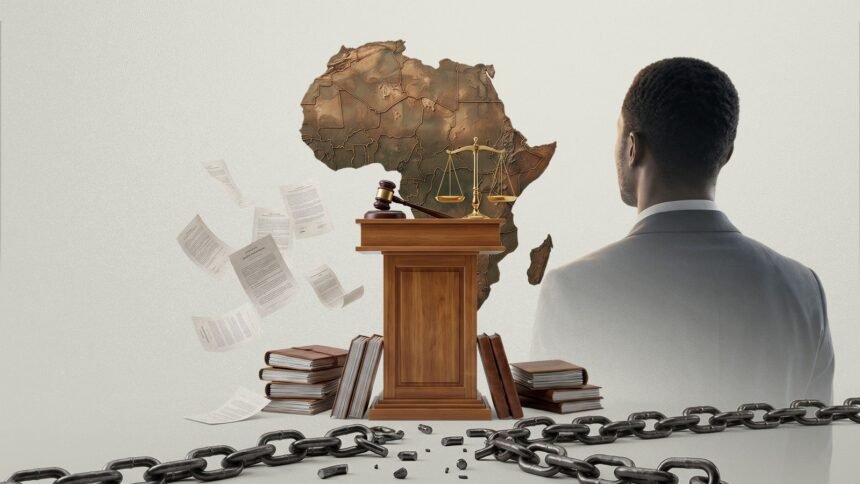
Pan-African: The Collaborative Force of the Diaspora
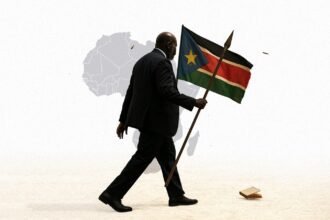
The quest for reparative justice has evolved into a formidable “global diasporic movement,” bridging the geographical and temporal gaps between Africa and its descendants in the Caribbean and Americas. This movement is no longer a collection of isolated domestic petitions but a sophisticated “collaborative force” that leverages collective diplomatic power. By working in lockstep, African and Caribbean nations have successfully elevated the discourse from the margins of social activism to the center of the international legal and political stage. This unity underscores a fundamental Pan-African truth: the legacy of historical exploitation requires a coordinated, global response to achieve genuine systemic change.
Slavery History in Africa: The Deep Roots of Disruption
The history of enslavement on the continent is a complex narrative of internal dynamics and external predatory forces. While forms of servitude existed within various African societies, the scale and nature of these practices were irrevocably transformed by the arrival of foreign commercial interests. The systematic raiding and trading of human lives disrupted the social and political evolution of entire regions, creating a vacuum of leadership and stability that persisted for generations. Understanding the deep roots of this disruption is essential to recognizing that the damage inflicted was not merely individual but structural, affecting the developmental trajectory of the entire continent.
Transatlantic Slavery & Africa: The Gravest Crime Against Humanity
The transatlantic chattel slave trade represents what the international community now formally recognizes as the “gravest crime against humanity.” For centuries, millions of Africans were forcibly removed from their homes, subjected to the horrors of the Middle Passage, and coerced into a system of hereditary servitude that fueled the industrial rise of the Global North. This era of “enslavement” was characterized by a level of dehumanization and physical brutality that remains unparalleled in modern history. The extraction of human capital on such a massive scale left behind a continent weakened and vulnerable to the subsequent waves of colonial expansion, creating a legacy of underdevelopment that persists today.
UN Resolution & World View: A Landmark Shift in Recognition
In early 2026, the global perspective on historical justice underwent a “landmark shift” with a significant vote at the United Nations. The UN passed a resolution describing the transatlantic chattel slave trade as a crime against humanity and, crucially, called for reparations as a “concrete step towards remedying historical wrongs.” This vote represents the culmination of decades of advocacy and signals that those who benefited from enslavement no longer have the “ability to block or shut down the discussion.” While some nations attempted to obscure the win through technicalities, the resolution establishes a new global consensus: the legacies of enslavement are an active concern of international law.
Moral & Physical Reparations: The Multi-Faceted Nature of Redress
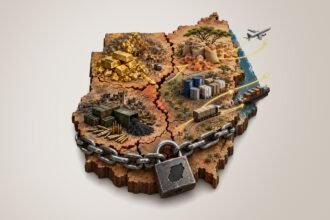
Reparations in the 21st century are understood to “take many forms,” extending far beyond simple financial transfers. Moral reparations involve the formal acknowledgment of guilt, the correction of historical narratives, and the public memorialization of the victims. Physical and economic reparations, meanwhile, focus on “restorative justice”, addressing the contemporary wealth gaps and developmental deficits that are the direct descendants of the slave economy. This multi-faceted approach recognizes that for redress to be effective, it must repair the psychological scars of dehumanization while providing the material resources necessary for African nations to achieve economic self-determination.
Integration & Inclusion: Reconnecting Across the Diaspora
A central tenet of the modern reparations movement is the desire for the diaspora to be “in community both globally and locally.” This involves the reintegration of the descendants of the enslaved into the cultural and economic life of the continent. Inclusion programs, ranging from “right of return” initiatives to collaborative academic and economic exchanges, aim to heal the familial and social ruptures caused by the trade. By fostering these connections, Africa and its diaspora are not just seeking financial settlements but are actively building a shared future grounded in mutual support and the reclamation of a stolen heritage.
Colonization & Culture Damage: The Legacies of Erasure
The transatlantic slave trade was the precursor to a systematic era of colonization that sought to erase African cultural and political identities. The “legacies of enslavement” are visible in the forced adoption of foreign languages, the looting of cultural artifacts, and the imposition of external governance structures. This “culture damage” was a deliberate strategy to maintain control by severing the links between the people and their history. Reparative justice, therefore, must include the “decolonization” of the mind and the restoration of African cultural agency, ensuring that the continent’s future is built on its own indigenous foundations rather than the remnants of colonial imposition.
Recent Development: The Momentum of Lockstep Diplomacy
The most significant “recent development” in the quest for reparations is the shift from theoretical debate to active, collaborative diplomacy. The growing collaboration between African and Caribbean countries has created a “momentum” that was previously unthinkable. Programs such as the “Legacies of Enslavement” initiatives are now providing monthly updates on the progress of reparative justice around the world, ensuring the conversation remains in the public eye. This “collaborative force” is moving the global community toward a “different place,” where the discussion of historical wrongs is no longer a request for charity but a demand for the fulfillment of a long-overdue international obligation.