





Pan African Synergies: Forging Continental Leverage
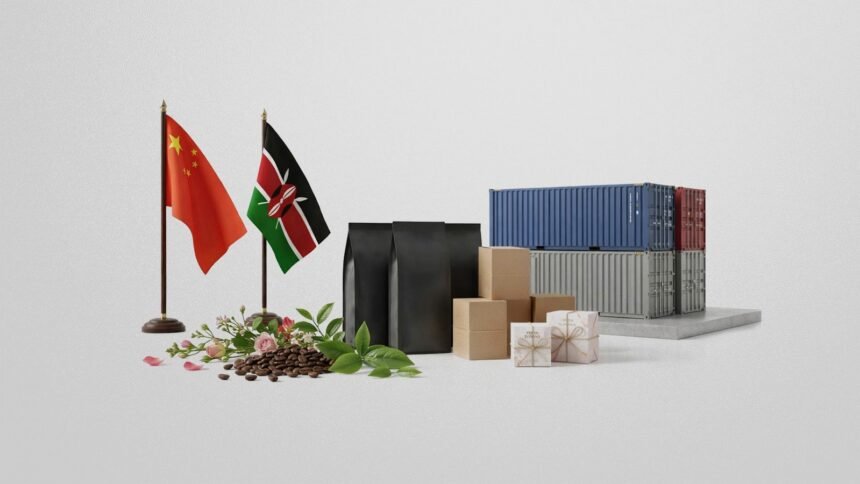
Africa’s collective economic strategy gains momentum through landmark bilateral pacts that amplify intra-continental strength. The finalisation of Kenya’s comprehensive trade agreement with China exemplifies how individual breakthroughs can ripple across the continent, reinforcing the African Continental Free Trade Area’s vision of unified bargaining power. By securing duty-free access for nearly all Kenyan exports, this accord demonstrates how targeted diplomacy can counter global protectionism and redirect flows toward African priorities. Neighbouring nations, from Uganda to Tanzania, stand to benefit as Kenya’s success models scalable frameworks for value-added exports, fostering regional value chains in agriculture, manufacturing, and services. This Pan-African momentum transforms isolated negotiations into shared platforms for diversification, reducing over-reliance on volatile commodities and positioning the continent as an indispensable partner in global supply networks.
Africa-China Trade Outlook: Deepening Strategic Ties
Bilateral trade between Africa and China has surged to unprecedented levels, exceeding $300 billion annually, with China’s zero-tariff initiatives for 53 African states creating significant market openings. This outlook reflects Beijing’s deliberate pivot southward amid external pressures, channeling investments into infrastructure, technology transfers, and processing hubs. For resource-rich economies, the relationship evolves from raw-material extraction toward mutual industrialisation, with African nations gaining preferential entry into one of the world’s largest consumer markets. Trade imbalances persist, yet the trajectory points toward equilibrium as African exports of processed goods, horticulture, and textiles accelerate. The continent’s strategic minerals and demographic dividend further cement this outlook, enabling joint ventures that embed African priorities, local content, skills development, and green standards into long-term partnerships.
Kenya Trade Outlook: Resilience Meets Opportunity
Kenya’s economy has demonstrated remarkable steadiness, with inflation contained and the shilling stable amid global headwinds. Foreign direct investment crossed the $2 billion threshold for the first time in 2025, rising over 15 percent year-on-year, signalling investor confidence in its strategic location and diversified base. As East Africa’s largest economy, Kenya now stands poised to translate this resilience into export-led growth. The finalised China deal directly addresses the historic trade deficit by granting 98 percent duty-free access, unlocking pathways for tea, coffee, flowers, apparel, and manufactured goods. This outlook shifts Kenya from an import-dependent consumer to a proactive exporter, while domestic reforms in logistics and digital trade further enhance competitiveness. The result is a more balanced external posture that cushions against currency volatility and commodity swings.
What’s New in This Deal: A Transformative Breakthrough
The agreement marks a qualitative leap beyond earlier frameworks. Finalised after two months of intensive talks following the January preliminary pact, it delivers near-universal duty-free coverage for Kenyan exports, far surpassing typical preferential schemes. This comprehensive scope covers agricultural staples, horticultural products, textiles, and emerging manufacturers, directly tackling the asymmetry in which Chinese goods have long dominated Kenyan shelves. President Ruto’s announcement underscores the deal’s strategic timing: it coincides with Kenya’s push for export diversification and positions Nairobi as a gateway for East African producers. New elements include streamlined rules of origin, technical cooperation on standards, and investment safeguards that protect Kenyan industries while encouraging joint ventures. By embedding reciprocity and capacity-building clauses, the pact moves beyond transactional access toward sustainable, mutually reinforcing commerce.
Kenya-US Trade: Balancing Alliances for Maximum Gain
Kenya’s concurrent negotiations with Washington illustrate pragmatic multi-alignment rather than zero-sum choices. As a longstanding US security and economic partner, Kenya continues to pursue a bilateral accord with the Trump administration, maintaining access under frameworks like AGOA while expanding horizons. Ruto has consistently defended deeper Chinese engagement as essential to closing the trade gap, arguing that exporting more to Asia’s powerhouse complements, not competes with, Western ties. This dual-track approach yields leverage: US markets remain vital for apparel and services, while Chinese demand accelerates agricultural and industrial scaling. The outcome is a diversified portfolio that shields Kenya from unilateral policy shifts, ensuring that American investments in infrastructure and technology coexist with Chinese financing for ports and railways.
Development Horizons: Charting Inclusive Prosperity
The Kenya-China accord accelerates Kenya’s, and by extension Africa’s, journey toward self-reliant development. Duty-free entry into China’s vast market will generate foreign exchange, create jobs in export-oriented sectors, and fund critical infrastructure. Coupled with rising FDI and economic resilience, this pact enables investment in skills, digital connectivity, and green manufacturing. Broader continental spill-overs emerge as Kenyan models inspire similar deals elsewhere, reinforcing AfCFTA protocols and reducing external dependencies. The ultimate promise is transformative: higher-value exports, technology absorption, and inclusive growth that lift millions while safeguarding sovereignty. In an era of global realignment, such strategic pacts position Africa not as a passive recipient but as an active architect of its affluent future.