



Pan African Energy Horizons
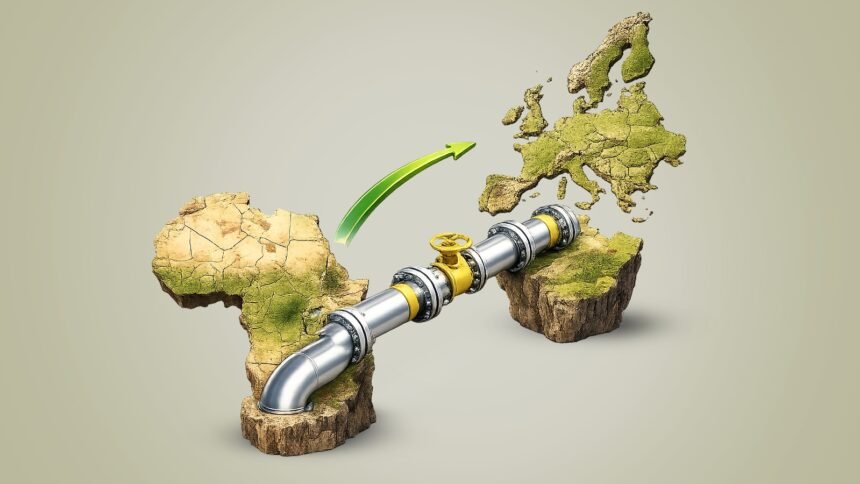
In the evolving tapestry of Africa’s resource diplomacy, gas trade emerges as a vital artery, linking the continent’s vast reserves to Europe’s energy needs and fostering interdependence that transcends mere commerce. As global disruptions reshape supply chains, African producers such as Algeria and Nigeria, and emerging players in Senegal and Mauritania, position themselves as reliable partners, channeling hydrocarbons through pipelines and LNG terminals to power European economies. This dynamic not only diversifies African export portfolios but also amplifies intra-continental synergies, where infrastructure investments and technological transfers build enduring capacity. The recent Algeria-Italy accord underscores this vision: a strategic pivot that harnesses North African gas to stabilize Mediterranean flows, embodying Pan-African agency in a multipolar energy landscape where sovereignty and mutual prosperity take precedence.
Africa’s Gas Trade Outlook
Africa’s gas trade outlook in 2026 shines with promise amid global volatility, as the continent’s proven reserves, exceeding 600 trillion cubic feet, fuel exports that increasingly anchor European security. Pipeline deliveries from Algeria via the TransMed route and LNG cargoes from Nigeria’s Bonny Island terminal have surged, with projections indicating African LNG could meet up to 15 percent of Europe’s imports by decade’s end. Disruptions in traditional suppliers have accelerated this shift: Qatar’s LNG capacity, once a cornerstone, has faced prolonged outages, compelling buyers to court African alternatives. Nigeria eyes expanded trains for European markets, while offshore discoveries off Mozambique and Senegal herald new export corridors. Challenges persist, aging infrastructure and investment gaps, yet opportunities abound in green hydrogen pilots and regional hubs, positioning Africa as a resilient supplier capable of sustaining long-term contracts amid price fluctuations and geopolitical strains.
Algeria-Italy Gas Deal
The Algeria-Italy gas deal, forged during Italian Prime Minister Giorgia Meloni’s March 2026 visit to Algiers, marks a deepening of bilateral energy ties that promise enhanced volumes and diversified exploration. Building on Algeria’s 2025 delivery of 20 billion cubic meters, roughly 30 percent of Italy’s consumption, the agreement commits to bolstering flows through joint ventures between Eni and Sonatrach. New frontiers in shale gas development and offshore blocks will unlock additional reserves, extending supply security beyond existing TransMed pipeline contracts. Meloni emphasized the long-term strengthening of cooperation, while President Abdelmadjid Tebboune affirmed Algeria’s commitment to honoring its obligations in the oil and gas markets. This pact arrives as Italy confronts Qatar LNG shortfalls, which previously covered 10 percent of its needs, and positions Rome as a Mediterranean energy hub, routing Algerian gas northward while injecting investment into Algerian fields for mutual growth.
Iran War Geopolitics
The Iran-US-Israel conflict has profoundly reshaped gas geopolitics, thrusting African supplies into the spotlight as Europe navigates severed Gulf routes. Iranian strikes on Qatari facilities, including the Ras Laffan hub, have slashed LNG export capacity by up to 17 percent, triggering force majeure declarations and multi-year disruptions that ripple through European markets. With the Strait of Hormuz under threat, shipping costs soar, and alternative sourcing becomes imperative, elevating Algeria’s pipeline advantage over distant LNG tankers. This war-driven urgency has prompted Italy to reach out to Algiers, alongside overtures to the US and Azerbaijan, yet North African proximity offers unmatched reliability. For Africa, the fallout presents a strategic window: higher European demand sustains revenues, yet heightens pressure to expand production without compromising domestic needs or environmental safeguards, underscoring the continent’s pivotal role in mitigating global energy shocks.
Cooperation & Development
Cooperation between Algeria and Italy exemplifies a model of equitable development, where energy partnerships transcend extraction to foster shared prosperity and sustainability. Eni-Sonatrach initiatives extend beyond gas volumes to encompass technology transfers, local content mandates, and renewable explorations, creating jobs and building technical expertise in Algerian communities. This framework aligns with broader Africa-Europe dialogues, including initiatives such as the EU-AU partnership, and prioritizes infrastructure upgrades and skills development. Revenues from enhanced exports fund diversification into non-hydrocarbon sectors, while joint ventures mitigate risks through transparent governance. As both nations confront climate imperatives, the deal paves the way for hydrogen blending and low-emission practices, ensuring that gas trade catalyzes inclusive growth. In this spirit, such accords not only secure supplies but also advance continental ambitions for self-reliant, resilient economies that empower African voices on the global stage.