



Pan-African Sovereignty: Reclaiming Constitutional and Border Agency
Across the African landscape, the contemporary configuration of emergency public health frameworks serves as a definitive battleground for the preservation of sovereign dignity and territorial independence. The pan-African struggle for institutional autonomy in the mid-2020s faces an existential challenge posed by the implementation of externalized, parallel medical infrastructures operating outside the administrative boundaries of host states. When foreign powers project unilateral biological defense mechanisms onto African soil, they risk reducing sovereign nations to geographical buffers for external security regimes. Achieving true continental self-determination requires a unified, borderless assertion of judicial and territorial control, ensuring that any public health infrastructure deployed on the continent remains explicitly accountable to local laws and integrated within the broader regional defense architecture.
Ebola’s Resurgence in the East African Corridor: The Multilateral Burden
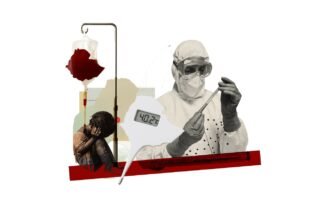
The contemporary epidemiological landscape of East Africa is defined by a rapid, high-velocity resurgence of hemorrhagic fevers that has placed regional containment networks under severe strain. Transmitted through porous borders and dense trans-border trade corridors, the current epidemic has expanded beyond its primary rural focus to threaten major transit hubs. This viral surge presents acute diagnostic and logistical hurdles, as local clinical networks grapple with a complete deficit of specialized surge materials and isolation facilities. The rapid multiplication of transmission chains across the Great Lakes and wider East African region underscores a structural vulnerability, in which the lack of pre-existing containment capacity allows a localized pathogen to escalate into a sweeping regional biosecurity crisis quickly.
Kenya’s Public Health Outlook: Institutional Strain and the Judicial Stand-Off
The national health outlook in Kenya is caught in a profound political and logistical dilemma, balancing its role as a premier logistical gateway for regional humanitarian operations with the preservation of its legal sovereignty. This institutional friction reached a critical threshold following the revelation of an agreement to construct an exclusive, foreign-operated biosecurity facility within Kenyan territory. Although the Kenyan High Court issued a decisive order blocking the project’s initiation, citing deep constitutional and public safety concerns, the executive branch and foreign defense actors circumvented this domestic judicial shield. Moving forward despite the court injunction, the arrival of foreign emergency personnel at the Laikipia airbase highlights an intense internal friction, where the requirements of international military partnerships directly clash with domestic constitutional oversight.
Foreign-Only Centers in Africa: Extraterritorial Medicine and Neo-Colonial Friction
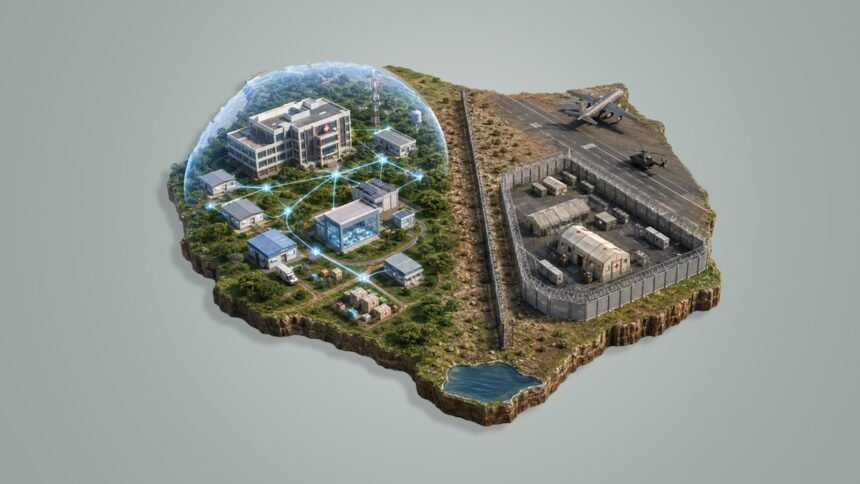
The construction of a specialized, 50-bed field hospital at the Laikipia airbase, engineered specifically for the exclusive containment and treatment of infected American citizens, represents a controversial shift in the geopolitics of global health. Initiated under strict directives from the United States executive branch to prevent any biological exposure within the American homeland, this foreign-only enclave is designed to isolate exposed personnel, offering localized medication and baseline respiratory support before transferring critical casualties to mainland Europe. This exclusive medical model has drawn intense condemnation from international health jurists and former public health officials, who argue that establishing a racially or nationally segregated medical facility on African soil violates the core ethical foundations of international humanitarian response. By generating a stark division between foreign responders and local populations, these exclusive enclaves resurrect historic patterns of extraterritoriality, converting public health interventions into symbols of neo-colonial discrimination and systemic asymmetry.
AU-WHO Efforts: The Paralysis of Fractured Multilateralism
The execution of unilateral medical isolation strategies directly undermines the collaborative frameworks championed by the African Union and the World Health Organization. International epidemiological consensus indicates that the containment of global pathogens relies entirely on deep intelligence sharing, harmonized regional tracking, and unified, multinational response teams where all frontline health workers are afforded equal protection. The creation of isolated, sovereign health facilities effectively breaks this multilateral shield, replacing collective containment with fragmented, nationalistic defense strategies. By operating outside the coordinated supervision of the WHO and the Africa CDC, such unilateral operations weaken global health governance, setting a dangerous precedent where superpower insulation takes priority over the collective biosecurity of the international community.
Accessibility and Human Rights: The Segregation of Life-Saving Infrastructure
The operational guidelines governing the Laikipia biosecurity enclave present profound ethical and human rights contradictions regarding equitable access to life-saving healthcare. While international clinical networks emphasize that the safety of an epidemic response depends on protecting every individual exposed to the pathogen, the strict exclusion of Kenyan nationals, local field drivers, and regional medical staff from the facility creates a dangerous protection vacuum. Denying admission to local first responders who face identical biological risks while working alongside foreign personnel directly violates the fundamental human right to non-discriminatory health access. This institutional segregation transforms vital biocontainment technology, built using public funds, into an exclusive geopolitical instrument, proving that when external biosecurity priorities override basic human rights, medical infrastructure ceases to be a sanctuary of healing and becomes an arena of geopolitical exclusion.