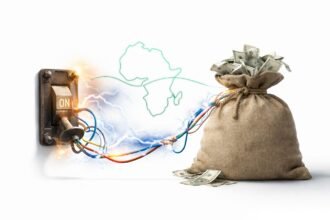




Nigeria has recently been in the harsh spotlight as floodwaters ravage vast swathes of its populous regions, leaving over 150 dead and hundreds displaced. Amidst the chaos, an unexpected diplomatic twist unfolded: the U.S. President issued a pointed call for readiness to intervene militarily over Nigeria’s internal strife, emphasizing the complex interplay between humanitarian disaster, security concerns, and geopolitical maneuvering.
Nigeria’s floods came as relentless rains during the rainy season caused rivers to overflow, levees to collapse, and homes to be submerged. The northern and central states reported the highest casualties, with thousands forced to flee and seek emergency shelter. Infrastructure damage spans destroyed roads, health clinics, and schools, complicating rescue and relief operations.
Local governments declared states of emergency and appealed for international aid, while non-governmental organizations struggled to deliver critical support amid flooding and logistical hurdles. The humanitarian impact is severe—disease outbreaks, food shortages, and psychological trauma exacerbate the suffering of already vulnerable populations.
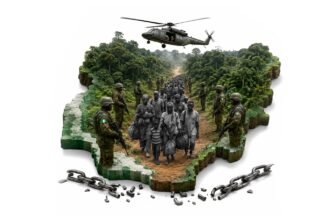
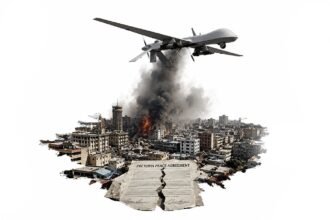
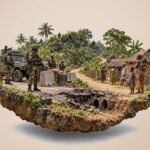
While the floods dominate headlines as a natural disaster, political tensions simmer beneath the surface. The United States, citing concerns over Nigeria’s reported treatment of its Christian minorities and ongoing security problems fueled by insurgent groups, surprisingly indicated an openness to “fast” military action if deemed necessary. This announcement unsettled many observers, raising fears of foreign intervention veiled as humanitarian concern.
President Donald Trump’s statement, calling on the Defense Department to prepare for potential military moves, has drawn varied reactions in Nigeria and internationally. Some see it as pressure on Nigeria’s government to uphold human rights protections, while others warn it risks escalating tensions and undermining Nigerian sovereignty.
Nigeria’s leadership asserted that it remains committed to protecting all citizens and tackling security challenges internally. They rejected external threats as interference and pledged stronger internal reforms.
This development reflects the broader regional dynamic where humanitarian emergencies, insurgencies, and the politics of intervention intertwine. Nigeria’s position as Africa’s most populous nation and a major oil producer adds layers of geopolitical significance, making it a focal point for international interests and regional stability.
Meanwhile, flood victims continue to suffer the double burden of environmental disaster and geopolitical uncertainty. Aid agencies stress urgent humanitarian needs—clean water, medical care, and displaced persons assistance—must take precedence over political rhetoric.
The U.S. signal of possible intervention underscores the fraught balance between sovereignty, human rights, and security imperatives that characterize contemporary African geopolitics. It serves as a reminder that natural disasters will often intersect with political narratives, for better or worse.
Nigeria, grappling with the immediate toll of one of its worst floods, now faces uncertainty amplified by diplomatic undertones that may complicate recovery. How Nigerian authorities and the international community navigate this delicate landscape will shape not only humanitarian outcomes but the future of regional cooperation and respect for sovereignty.
In these times of crisis, the priority must remain clear: addressing the needs of the thousands impacted by the floods with compassion and urgency, while cautiously navigating the minefield of international politics that flares when disaster strikes.