



The Pan-African Paradigm of Food Sovereignty and Cultural Self-Determination
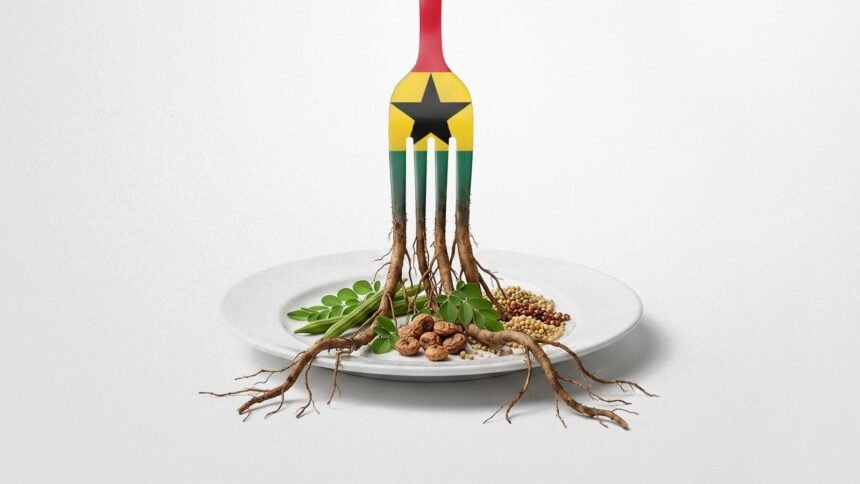
Across the African landscape, the dinner table has quietly become one of the continent’s most contested sites of postcolonial struggle. In Ghana, a grassroots movement is turning that struggle into a structural blueprint for change. The Ghana Food Movement, founded in 2019, has built a growing institutional architecture around a deceptively simple proposition: that reclaiming Indigenous, climate-resilient crops from northern Ghana can repair a food system currently dependent on imports for at least half of national consumption. This is not merely a culinary trend but a systemic response to a colonial economic legacy in which land was redirected toward export cash crops. At the same time, imported staples were structurally privileged over local nutrition. As young Ghanaians like chef Abiro Wisdom turn away from Western-oriented culinary training toward moringa, tigernut, and other Indigenous ingredients, the broader continental question comes into focus: can food sovereignty become a genuine axis of self-determination, one where nations reclaim not just political independence but the deeper structural architecture of what their populations grow, eat, and value on their own terms?
From Catering School to Culinary Self-Determination
Wisdom’s own trajectory captures the tension at the heart of this movement: three years of catering training in Accra prepared him for international hotel kitchens serving French, Italian, and Mexican cuisine, with no room for the nutritious homegrown food of his upbringing in Bolgatanga, northern Ghana. His decision to join the Ghana Food Movement upon graduation reflects a broader generational recalibration among young Ghanaian chefs and entrepreneurs, who describe themselves as “a community of food lovers, of believers in the potential of Ghanaian food.” The organization, now formally registered as a non-profit and operating its own kitchen in Accra since 2024, runs monthly pop-ups, dine-and-dance nights, and recipe-development sessions built around single Indigenous ingredients, an institutional model designed to make the case for local food economically viable rather than merely symbolically preferable.
The Postcolonial Architecture of Import Dependency
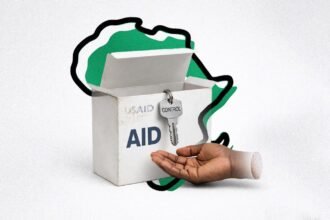
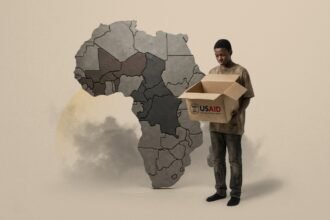
Co-managing director Aimee Wallin frames the movement’s mission in explicitly structural terms, arguing that colonial-era agricultural policy diverted land toward cash crops like cocoa and peanuts for export while systematically undervaluing local staples in favor of imported alternatives such as rice, a pattern whose institutional legacy persists in modern culinary education and consumer preference alike. Wallin’s account of a continued dependency matrix, in which nations reliant on imported seeds, pesticides, and fertilizers remain structurally tethered to external suppliers regardless of formal political independence, echoes a wider Pan-African critique of what genuine economic sovereignty requires beyond the ballot box. Her framing that “the one who feeds us will control us” positions food self-sufficiency not as a niche agricultural preference but as a foundational pillar of national self-determination, one requiring deliberate institutional investment to reverse decades of structurally embedded import reliance.
Competing with Global Trends Among Ghana’s Youth
The movement’s most delicate structural challenge lies in capturing the attention of younger Ghanaians increasingly drawn to globally marketed food trends such as matcha lattes, bubble tea, and smash burgers, phenomena amplified by social media in ways that traditional Indigenous cuisine has historically struggled to match. Rather than resisting this cultural current outright, the Ghana Food Movement has adopted an adaptive strategy, reframing Indigenous ingredients as trend-compatible alternatives, replacing matcha with moringa lattes and offering tigernut-based shawarma in place of meat, an approach that treats cultural reclamation as a matter of accessible reinvention rather than rigid tradition. This month’s Champions of Change recognition in the 50 Best Restaurants Awards suggests the strategy is gaining institutional traction beyond Ghana’s borders, positioning the movement’s model as a potentially exportable template for food sovereignty campaigns elsewhere on the continent.
Preserving Knowledge Before It Is Lost
Both Wisdom and Wallin frame their work with a distinct urgency rooted in generational knowledge transfer, insisting that the elders, farmers, and grandparents who hold deep understanding of Indigenous ingredients and preparation methods represent an irreplaceable and rapidly narrowing institutional resource. Their explicit call to engage grandmothers, grandfathers, and rural farming communities now, before that knowledge base erodes further, reflects an understanding that food sovereignty is as much an archival project as an economic one. The movement’s schools program, designed to help children appreciate local ingredients from an early age, represents a structural bet that reclaiming Ghana’s food heritage requires intervention across an entire generational pipeline, not a single cohort of chefs.
Toward a Sovereign Table
What the Ghana Food Movement ultimately offers is a template for how cultural self-determination can be built from the ground up, one pop-up dinner and one classroom workshop at a time, rather than imposed through top-down agricultural policy alone. The trajectory ahead will depend on whether this grassroots architecture can scale into broader institutional support, from culinary education reform to agricultural investment in the climate-resilient crops of Ghana’s north. Reclaiming the plate, in this framing, is inseparable from the wider Pan-African project of reclaiming the systems, ingredients, and knowledge that colonial economic structures once diverted away from the continent’s own populations. As Wallin puts it, taking back the power of Ghana’s food is ultimately about self-determination itself, a principle with resonance far beyond any single nation’s borders.