




The Pan-African Paradigm of Digital Rights and Judicial Sovereignty
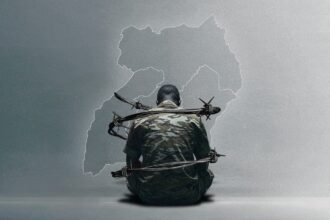
Across the African landscape, the contemporary configuration of civic spaces operates under intense structural pressure, balancing the rapid expansion of digital communication with the preservation of institutional authority. The Pan-African vision for long-term governance and democratic consolidation relies fundamentally on protecting freedom of expression as an essential pillar of social justice and regional development. When judicial frameworks are used to penalize public commentary or restrict online dissent, they directly challenge continental commitments to human rights and civil liberties. Reclaiming the continent’s collective democratic future requires an unyielding defense of independent civic platforms, ensuring that legal structures safeguard citizen participation rather than establish mechanisms of administrative exclusion and political containment.
Institutional Fragility and the Security Conundrum
Persistent institutional fragility, complex state-building transitions, and an asymmetrical security environment define the contemporary political landscape of the Federal Republic of Somalia. Operating under a federal model that seeks to balance centralized administrative oversight with regional state autonomy, the government faces significant hurdles in building a cohesive national framework. This delicate governance matrix is heavily pressured by a long-standing counter-insurgency campaign against extremist groups, which fractures state resource allocations and dominates national priority planning. For central planners in Mogadishu, cultivating lasting institutional stability requires navigating this volatile security conundrum while trying to establish public trust, enforce the rule of law, and manage an increasingly strained domestic economic environment.
Structural Shifts and the Trajectory of Universal Suffrage
The development of Somalia’s electoral architecture has reached a critical juncture as political leaders attempt to transition away from historical, clan-based consensus models toward a formalized system of universal direct suffrage. For decades, the selection of legislative and executive officials relied on indirect electoral processes managed by traditional elders, a mechanism that frequently faced criticism for restricting wider popular participation. The structural push to implement direct, “one-person, one-vote” national elections represents a major institutional shift intended to democratize the state’s public sphere. However, executing this comprehensive electoral transition requires overcoming significant logistical bottlenecks, updating voter registration systems, and establishing secure polling stations across peripheral districts.
The Shrinking of Civic Space and Regulatory Crackdowns
The underlying struggle for functional democracy in the Horn of Africa is increasingly challenged by a visible shrinking of independent civic spaces and an escalating regulatory approach to public dissent. Since 2022, national authorities have faced growing domestic and international scrutiny for implementing an aggressive, systematic crackdown on human rights defenders, independent journalists, and civil rights activists. The state infrastructure has increasingly turned to arbitrary arrests, judicial harassment, and intimidation to quiet dissenting viewpoints in the public sphere. This tightening of public expression creates a restrictive environment for political participation, transforming the digital landscape, which had served as a primary alternative arena for public debate, into a highly monitored and legally risky space for local citizens.
The Case of Sadia Moalim Ali
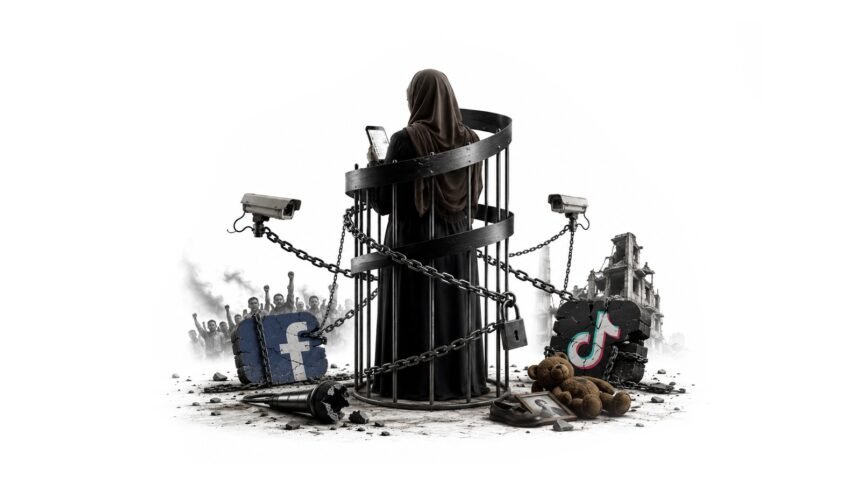
The intersection of judicial overreach and human rights violations reached a defining prominence following a controversial penal sentence handed down in Mogadishu. On June 25, 2026, the Banaadir Regional Court sentenced Sadia Moalim Ali, a 27-year-old nursing graduate and rickshaw driver, to a three-year prison term for making critical remarks on Facebook and TikTok. Arrested on April 12, Ali, the primary breadwinner for her family and mother of a young daughter, was charged with incitement to commit a crime and insulting government institutions, ultimately being convicted of the latter. Her digital commentary had focused directly on the youth unemployment crisis, high fuel prices, corruption, nepotism, and forced evictions gripping the country.
Following her conviction, Ali revealed that she had been subjected to severe torture while in custody, detailing incidents where guards forced her to lie face down, poured water over her body, kicked her with boots, and threatened her with death. Furthermore, she was subjected to solitary confinement for four days, deprived of food and necessities, and denied access to toilet facilities. The three-year sentence was immediately condemned as “fundamentally unjust” and politically motivated by prominent high-ranking officials, including former President Sharif Sheik Ahmed and former Prime Minister Hassan Ali Khaire, alongside a coalition of domestic human rights organizations that have demanded her immediate release.
Digital Mobilization and the Backlash Against Judicial Overreach
The sentencing of Sadia Moalim Ali has acted as an immediate catalyst for civil unrest, sparking widespread outrage and public demonstrations across various municipal sectors. Local communities and youth networks have leveraged digital mobilization platforms to coordinate public backlashes against what civil society labels a disturbing abuse of state authority. These growing street protests reflect a broader public frustration over daily economic pressures, including rising transport costs and systemic inflation. By framing Ali’s harsh judicial treatment as a direct attack on ordinary citizens, activist coalitions are successfully linking demands for individual human rights with wider socioeconomic grievances, creating a complex internal security challenge for metropolitan law enforcement agencies.
Clan Dynamics and the Allocation of Institutional Power
The long-term stabilization of Somalia’s public sphere remains deeply intertwined with complex clan dynamics and historical competitions over the allocation of institutional power. In the absence of fully consolidated, non-lineage political parties, traditional clan balances, traditionally mediated through the “4.5 model” of power-sharing, continue to influence legislative appointments and administrative promotions. When state judicial mechanisms are perceived as targeting specific individuals or marginalized groups, they can inadvertently trigger underlying clan anxieties, as local networks interpret regulatory enforcement through the lens of group marginalization. Overcoming these deep-seated structural divisions requires national planning ministries to commit to strict impartiality, ensuring that state institutions operate as neutral, universal protectors of civil rights rather than becoming tools in localized power struggles.