




Pan-African: Leading the Continental Energy Transition
The African continent is uniquely positioned to lead the global shift toward sustainable energy, leveraging its vast natural resources and industrial potential to redefine its role in the international trade system. As the world moves toward a low-carbon future, South Africa serves as a critical pioneer for the Pan-African community, demonstrating how legacy industrial expertise can be repurposed for green innovation. By establishing a robust sustainable fuel sector, the nation is not only securing its own economic future but also providing a technical and strategic blueprint for other African states seeking to integrate environmental stewardship into their national development agendas.
South Africa’s Fuel Trade Outlook: The Shift Toward Sustainable Aviation Fuel
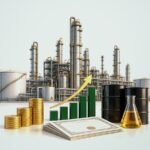
South Africa’s energy landscape is undergoing a profound transformation as it pivots from traditional fossil fuel dependence toward the production of Sustainable Aviation Fuel (SAF). The national fuel trade outlook is increasingly defined by ambitious export targets, with leading petrochemical entities aiming to produce at least 200 million liters of SAF annually by 2030. This shift is driven by the necessity of meeting global carbon reduction mandates and capturing a significant share of the burgeoning green energy market. By utilizing established infrastructure, such as the Natref refinery southwest of Johannesburg, South Africa is positioning itself as a primary supplier for the global aviation industry’s transition to carbon neutrality.
South Africa-EU Relations: Certification as a Gateway to Trade
The diplomatic and economic relationship between South Africa and the European Union is being revitalized through the lens of green energy cooperation. A major breakthrough in this partnership occurred in early 2026, when South African producers received critical certification from German agencies, verifying that their sustainable fuel meets the rigorous environmental standards required by European law. This certification serves as a vital gateway, allowing South African SAF to be exported directly to the EU market. This alignment of regulatory standards illustrates a deepening of South Africa-EU relations, where shared environmental goals facilitate high-value trade and foster long-term industrial collaboration.
Oil Trade in South Africa vs. EU: Navigating Regulatory Divergence
The transition to green fuels highlights a significant regulatory divergence between the South African and European energy markets. While the EU has implemented aggressive mandates—such as the ReFuelEU Aviation initiative, that require a steady increase in SAF blending, South Africa’s domestic market remains largely defined by traditional fuel consumption. This creates a “dual-track” trade environment where South African production is primarily geared toward meeting the high-demand, high-regulation environment of the EU. This divergence necessitates a sophisticated trade strategy that allows South African firms to export premium green products abroad while continuing to manage the complex energy security needs of the domestic and regional markets.
Environment & ESG: Decarbonization and Industrial Reform
At the heart of the green jet fuel trade is a commitment to Environmental, Social, and Governance (ESG) principles. South Africa’s move into SAF production is a core component of its broader strategy to reduce its carbon footprint and modernize its industrial base. The production of SAF, often utilizing recycled materials such as used cooking oil, represents a significant advancement in circular economy practices within the petrochemical sector. These efforts are not merely about carbon credits; they involve the fundamental reform of industrial processes to ensure that South Africa remains competitive in a global economy that increasingly penalizes high-emission production and rewards sustainable innovation.
Development: Fueling a Resilient and Inclusive Economy
The ultimate objective of South Africa’s green fuel initiative is to drive sustainable and inclusive national development. The expansion of the SAF sector is expected to catalyze investment in new technologies, create high-skilled jobs, and strengthen the nation’s balance of trade through high-value exports. By integrating green energy into its development roadmap, South Africa is ensuring that its economic recovery is grounded in the industries of the future. Reclaiming the future requires a bold commitment to this energy transition, ensuring that the nation’s industrial legacy is transformed into a foundation for long-term prosperity and environmental resilience in an increasingly carbon-constrained world.