



Pan-African: The Continental Echo of the Sudanese Conflict
The destabilization of Sudan represents a profound challenge to the Pan-African ideal of a conflict-free continent. As one of Africa’s largest and most strategically positioned nations, the internal fragmentation of Sudan sends ripples far beyond its borders, testing the resilience and solidarity of the entire region. The displacement of millions of Sudanese citizens is not merely a localized humanitarian issue; it is a continental crisis that demands a unified African response. This shared burden highlights the necessity of regional cooperation, as neighboring states become the primary custodians of those fleeing violence, embodying a collective commitment to sanctuary amidst widespread geopolitical upheaval.
Sudanese Refugees Across Africa: A Map of Displacement
The exodus from Sudan has created one of the most significant migration crises on the continent, with refugees seeking safety across a diverse range of African nations. While Egypt and Ethiopia host substantial numbers, the movement into Chad remains particularly acute due to the geographic proximity of the conflict-intensive Darfur region. Sudanese refugees across Africa find themselves in varied states of transition, from urban integration in Cairo to the sprawling, resource-constrained camps of the Sahel. This continental map of displacement reflects the urgent need for a synchronized humanitarian strategy that can address the specific socio-economic and protection needs of these populations across different national contexts.
Refugee Camps in Chad: The Frontiers of Refuge
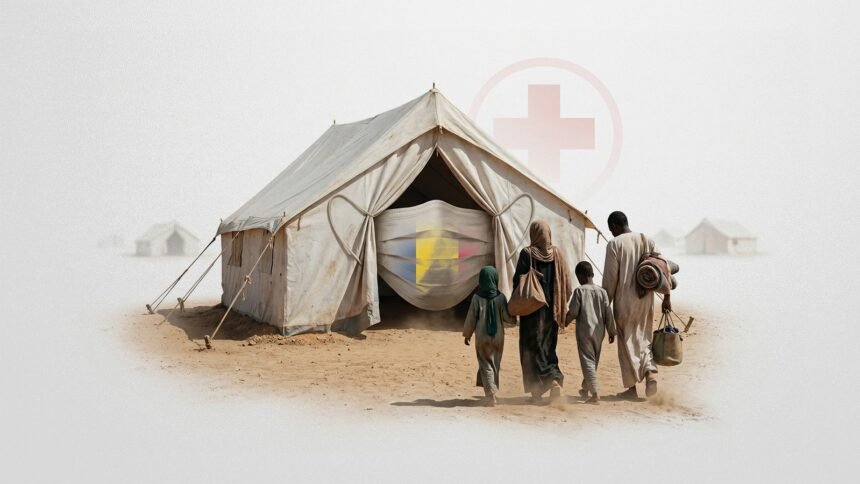
The eastern border of Chad has become the definitive frontier of refuge for those escaping the violence in West Darfur. The town of Adré and its surrounding encampments serve as the primary reception points for a relentless surge of arrivals. These camps, often established in arid and geographically isolated regions, have rapidly evolved from temporary transit sites into semi-permanent settlements. The sheer speed of the influx has transformed the local landscape, placing unprecedented pressure on the existing infrastructure of one of the world’s most economically vulnerable nations. These sites represent the front lines of the humanitarian effort, where the struggle for survival is contested daily against the backdrop of the unforgiving Sahelian environment.
Humanitarian Crisis in Chad’s Camps: The Pressure of Overcrowding
The humanitarian situation in Chad’s refugee camps has reached a critical juncture, characterized by extreme overcrowding and a severe deficit of basic services. The rapid increase in arrivals in recent weeks has left camps packed beyond their intended capacity, complicating the delivery of food, clean water, and adequate shelter. This congestion creates a “perfect storm” for humanitarian failure, as the density of the population outstrips the available sanitation infrastructure. For the hundreds of thousands of refugees, the experience of “safety” is frequently compromised by the harsh realities of scarcity, where the competition for limited resources adds a layer of systemic stress to an already traumatized population.
Meningitis & Health in Refugee Camps: The Surge of Pathogens
The most pressing threat currently facing the camps is a surging health crisis, most notably the spread of deadly meningitis. In the overcrowded environments of eastern Chad, infectious diseases find fertile ground; medical aid groups have reported a significant rise in cases, with the mortality rate for children who catch the disease reaching nearly 12%. Alongside meningitis, measles is also spreading through the border town of Adré, exacerbated by the lack of vaccination coverage and the ease of transmission in packed living quarters. These outbreaks illustrate the “biological cost” of displacement, where the absence of a stable public health environment turns manageable illnesses into lethal epidemics.
AU-UN Efforts: The Multilateral Shield
The response to the crisis in eastern Chad is anchored by a collaborative framework between the African Union and the United Nations, supported by international NGOs such as Médecins Sans Frontières (MSF). These multilateral efforts are focused on stabilizing the health environment through emergency vaccination campaigns and the establishment of mobile clinics. The UN provides the logistical scaffolding for food distribution and camp management, while the AU offers the political endorsement necessary to coordinate the regional security required for humanitarian access. However, this multilateral shield is under constant strain, as the scale of the Sudanese displacement continues to outpace the funding and resources allocated by the global community.
Recent Developments: The Escalation of Vulnerability
The most significant recent development in the camps is the alarming surge in both arrivals and disease transmission recorded in April 2026. Medical reports indicate that the “deadly meningitis” currently spreading is particularly devastating to the refugee youth population. Furthermore, the continued packing of camps in eastern Chad suggests that the conflict in Sudan shows no signs of abating, leading to a state of “protracted emergency.” As the humanitarian agencies warn of a potential collapse in services, the mandate for 2026 is clear: the international community must transition from reactive aid to a sustained, high-capacity intervention that can protect the most vulnerable from the dual threats of war and pestilence.