





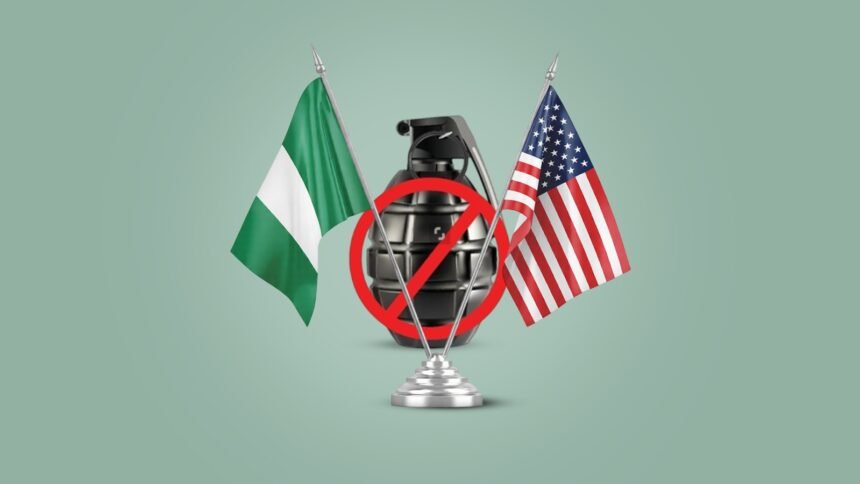
The February 2026 deployment of 200 US troops to Nigeria for training and intelligence support, alongside ongoing joint operations, represents a deepening Pan-African partnership against jihadist threats that have claimed over 15,000 lives since 2020. This collaboration, building on December 2025 airstrikes in Sokoto and earlier surveillance from Ghana, aims to empower Nigerian forces against Boko Haram and ISWAP without direct combat involvement. Yet, as massacres like Woro’s 162 deaths in February 2026 expose persistent gaps, the alliance navigates accusations of military inaction, corruption, and overstretched resources, offering a model for regional resilience amid Sahel-wide instability.
Pan African Predicaments: Jihad’s Cross-Border Carnage
Jihad’s cross-border carnage in the Sahel underscores Pan-African predicaments, where Nigeria’s insurgency spills into neighboring states, displacing millions and straining continental solidarity. Since 2020, over 15,000 deaths, 70 percent civilians, have ravaged Nigeria, with ISWAP’s Lake Chad strongholds and Lakurawa’s northwest hybrids launching drone raids and village massacres like Kwara’s February 2026 assault killing 162. This mirrors Mali’s JNIM blockades, starving Bamako and Burkina Faso’s sieges, claiming thousands, collectively pushing regional fatalities past 7,800 in 2025.
Predicaments amplify with porous borders: Fulani herder networks facilitate militant movement from Niger’s Tillabéri to Nigeria’s Borno, exploiting ethnic grievances amid 60 percent poverty. US-Nigeria efforts address this through intel-sharing hubs, yet ECOWAS fractures and AU funding shortfalls hinder unified patrols. Pan-African predicaments demand escalation: cross-continental rapid-response forces fusing Nigerian ground ops with regional drones to contain carnage and restore collective security.
Insurgency in Nigeria: Hybrid Horrors Since 2020
Insurgency in Nigeria since 2020 has unleashed hybrid horrors, blending Boko Haram ideology with banditry to claim over 15,000 lives and displace 2.4 million. Northeastern ISWAP, 3,000 fighters strong, taxes Lake Chad for $100 million annually, fueling January 2026 drone assaults on Borno bases killing troops. Northwest Lakurawa hybrids, rooted in Niger post-2023 coup, orchestrate abductions like Papiri’s 315 pupils, while central clashes in Kwara and Yelwata add hundreds more deaths through village razings and church sieges.
Horrors’ hybrid nature: militants exploit governance voids, with 2025’s first-half toll exceeding 2,200 amid herder-farmer wars killing 4,000 yearly. Insurgency’s footprint: Borno bears 40 percent of casualties, but northwest banditry sustains annual 3,000 deaths through ransom economies netting $2 billion. Nigeria’s response, Super Tucano strikes reclaiming territory, yields militant kills, yet civilian tolls from delayed responses highlight systemic strains demanding adaptive countermeasures.
Boko Haram in Nigeria: Evolution and Enduring Scars
Boko Haram in Nigeria has evolved from 2009’s anti-education uprising into a fragmented scourge, with ISWAP splinter claiming thousands of lives since 2020, while scars like Chibok’s 276 abducted girls linger. The group’s 2016 split empowered ISWAP’s caliphate ambitions, taxing resources and launching coordinated raids, as in 2025’s Borno convoys and 2026 drone attacks killing soldiers. Northwest offshoots hybridize with bandits for abductions, blending jihad with profit to sustain operations.
Enduring scars: 15,000+ deaths, 18.5 million out-of-school children, and generational trauma from enslavement and forced recruitment. Boko Haram’s resilience stems from political neglect; pre-coup corruption alienated the north, yet counter-efforts like deradicalization and rehabilitation of 2,500 fighters erode its base. Evolution demands sustained pressure: intel-driven ops dismantling supply chains to heal scars and prevent resurgence.
Nigeria-US Efforts: Training, Intel, and Tactical Synergy
Nigeria-US efforts forge training, intel, and tactical synergy, with the February 2026 deployment of 200 troops enhancing Nigerian capabilities against insurgents claiming 15,000 lives since 2020. Supplementing existing teams, the force focuses on target identification and simultaneous air-infantry coordination, non-combat roles, building on the December 2025 Sokoto strikes killing Lakurawa. US Africa Command’s support, including Ghana-based surveillance, has aided Super Tucano ops, reducing attacks 15 percent in Borno.
Synergy’s strengths: joint working groups align on threats like ISWAP’s Lake Chad taxes, with Nigerian ground forces leveraging US tech for precision. Efforts navigate Trump’s “genocide” rhetoric, rejecting systematic Christian targeting amid ecumenical violence, while emphasizing shared threats. Tactical synergy’s future: expanded drone defenses against January 2026 raids, fostering self-reliance to sustain long-term gains.
Political Will & Support: Bridging Domestic and International Gaps
Political will and support bridge domestic and international gaps in Nigeria’s counter-insurgency, where Tinubu’s “national emergency” mobilizes resources amid criticisms of military inaction delaying responses like Woro’s February 2026 massacre. US partnership, 200 troops for training—signals Washington’s commitment, countering Trump’s aid threats with collaborative intel that has neutralized militants.
Gaps persist: overstretched forces prioritize VIP protection for 100,000 officers, while corruption diverts budgets, as admitted in 2025 probes. Will’s bridge: national dialogues devolving security to communities, complemented by US hardware to bolster political resolve. Support’s synergy: AU-endorsed frameworks aligning domestic urgency with international expertise, closing gaps for effective insurgency containment.
National Security Imperatives: Forging Resilience Against Persistent Threats
National security imperatives in Nigeria demand forging resilience against persistent threats, where 15,000+ insurgency deaths since 2020 expose vulnerabilities despite Africa’s most feared military. US troop deployment enhances intel for strikes, yet domestic reforms, curfews in Kwara, school reopenings with guards, are essential to protect civilians from hybrids like Lakurawa.
Imperatives call for layered defenses: community rangers monitoring borders, deradicalization scaling to counter radicalization, and economic nets lifting 42 percent youth joblessness to starve recruitment. Resilience’s foundation: balancing US partnership with sovereignty, ensuring national security evolves from reactive to proactive, securing Nigeria’s future amid Sahel shadows.


