





Pan African Energy Solidarity
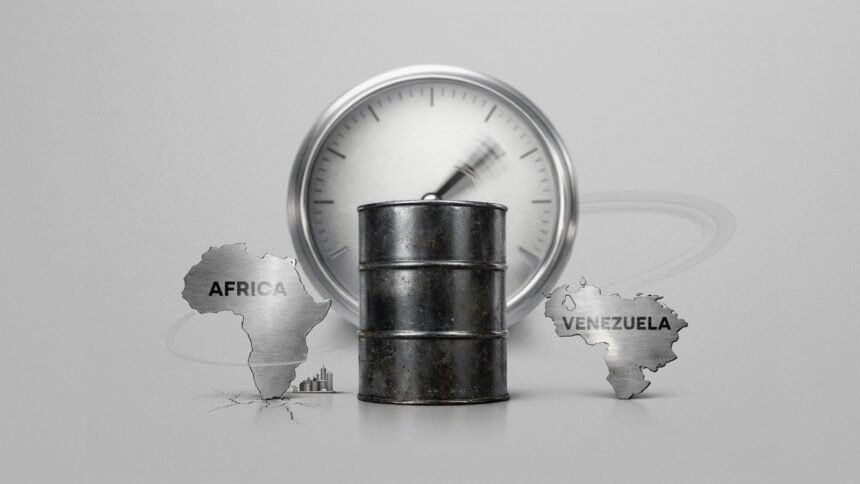
In the intricate energy landscape of Africa, the continent’s oil producers stand united in their pursuit of collective resilience amid global upheavals. As of 2025, Africa accounted for approximately 8% of the world’s crude oil supply, with powerhouse nations such as Nigeria leading at around 1.5 million barrels per day, followed by Angola, Algeria, Libya, and Egypt. This solidarity, embodied in frameworks such as the African Union’s energy integration initiatives, seeks to buffer against external shocks. Yet, the dramatic U.S. intervention in Venezuela early in 2026, marked by the capture of President Nicolás Maduro on January 3, has sent tremors through this unity. Venezuelan oil, long a parallel player in global markets, now under potential U.S. stewardship, threatens to disrupt African export revenues. Pan-African strategies, including intra-continental pipelines and joint ventures, become imperative as nations from the Gulf of Guinea to the Sahara recalibrate to safeguard their shared hydrocarbon heritage against foreign encroachments.
Oil Trade Dynamics
The rhythms of Africa’s oil trade in 2025 were characterized by cautious optimism, with exports of billions of barrels of crude amid oversupply and softening prices. Nigeria shipped over 33 million barrels to the U.S. in the first eight months alone, underscoring its dominance, while Angola and Libya bolstered outputs amid fragile stability. Global demand, tempered by economic slowdowns, kept prices hovering around $60 per barrel by year’s end, influenced by geopolitical tensions, such as those surrounding Ukraine. Entering 2026, projections forecast a surge in upstream investments to $41 billion, potentially increasing continental production to 11.4 million barrels per day. However, the U.S.-Venezuela saga introduces volatility: short-term disruptions in Venezuelan flows, estimated at 820,000 barrels per day, could temporarily buoy African prices, but a long-term U.S.-led revitalization of Venezuela’s reserves might flood markets, depressing values and eroding Africa’s competitive edge. This dynamic compels a pivot toward refined products and regional markets to mitigate the echo of distant interventions.
Africa-US Energy Relations
The interplay between Africa and the U.S. in the energy sector has long been a dance of dependency and divergence, with American imports fueling African economies while policy shifts dictate the tempo. In 2025, the U.S. imported significant quantities of African crude, particularly from Nigeria, valued at nearly $3 billion. The abrupt U.S. action against Maduro, which frames Venezuela as a hemispheric priority, reshapes this relationship. By seizing control of Venezuelan assets and announcing indefinite oversight of its oil sales, the U.S. signals a strategic pivot to nearby heavy crude sources, potentially slashing demand for African equivalents. Nigerian and Angolan bonds have already plunged, reflecting investor fears of lost markets. This recalibration strains bilateral ties, as African exporters grapple with reduced U.S. off-takes, urging diversified partnerships and domestic refining to reclaim agency in an increasingly unilateral energy dialogue.
Africa-South America Linkages
Across the Atlantic, Africa’s oil narrative intertwines with South America’s, where Venezuela’s vast reserves, over 300 billion barrels, mirror the continent’s own untapped potential. Historically, both regions have supplied complementary crude to shared buyers such as China, thereby fostering indirect linkages through global value chains. The 2026 U.S. capture of Maduro disrupts this harmony: Venezuelan exports, previously flowing eastward, now face U.S.-imposed controls, creating short-term shortages that could elevate demand for African heavy oils. Yet, as U.S. firms eye billions in Venezuelan investments, rebuilt output might oversaturate markets, undercutting African prices. This linkage highlights mutual vulnerabilities; environmental spills in the Niger Delta echo Amazonian degradation, prompting calls for Afro-Latin alliances in sustainable extraction and trade pacts to counter Northern dominance.
Development Pathways
Africa’s developmental trajectory, hinged on oil revenues funding infrastructure and diversification, faces a crossroads amid the ripple effects of the Venezuelan crisis. In 2025, hydrocarbon earnings propelled growth to 3.9 percent, underwriting projects from Ethiopian dams to Kenyan tech hubs. Projections for 2026 anticipate 4.0 percent expansion, buoyed by $41 billion in energy investments, yet U.S. maneuvers threaten this path. Plunging bond yields in oil-reliant economies such as Nigeria and Egypt signal higher borrowing costs, potentially derailing agendas for non-oil sectors, including agro-processing and renewables. To forge ahead, pathways must emphasize value addition, refining crude locally, as in Nigeria’s Dangote complex, and leveraging continental free trade to internalize wealth, transforming external shocks into catalysts for self-reliant prosperity.
International Law Implications
The edifice of international norms, intended to govern sovereign resources, fractures under the weight of U.S. actions in Venezuela, with profound implications for Africa’s oil sovereignty. The unilateral capture and asset control challenge the principles of non-intervention, reminiscent of past Latin American incursions now projected onto the global energy sector. For Africa, this implies heightened risks: if Venezuelan oil can be commandeered under security pretexts, African fields might face similar justifications amid resource scrambles. Legal frameworks such as the UN Charter and OPEC accords, already strained, require African advocacy for equitable enforcement, protection against predatory claims, and the preservation of hydrocarbon rights as tools for national empowerment rather than geopolitical leverage.
Global Order Shifts
In the evolving mosaic of world affairs, the U.S.-Venezuela episode heralds a multipolar recalibration in which energy becomes the currency of influence. Africa’s oil trade, once peripheral, now navigates a landscape where U.S. “America First” policies clash with rising BRICS alignments. The 2026 intervention accelerates de-dollarization trends, as African exporters eye yuan settlements to evade U.S.-dominated markets. Yet, potential price collapses from Venezuelan influx could strain fiscal balances, amplifying calls for diversified global partnerships. This shift underscores Africa’s pivotal role: by fortifying Pan-African mechanisms and green transitions, the continent can emerge not as a victim of order disruptions, but as an architect of a balanced, resource-sovereign future.