





Pan-African: Continental Standards and the Regional Safety Gap
Across the African landscape, the development of a robust aviation network is a primary engine for the African Continental Free Trade Area and the broader goals of regional integration. However, the persistence of significant safety gaps in certain jurisdictions remains a profound challenge to the Pan-African vision of a seamless and secure transport corridor. While many African nations have made strides in aligning with global aeronautical standards, the disparity in infrastructure and regulatory oversight between different regions creates a fragmented safety map. Achieving a truly integrated continent requires a collective effort to harmonize safety protocols and ensure that no nation is left behind in the pursuit of secure and reliable skies.
South Sudan’s Aviation Sector: A Systemic Infrastructure Deficit
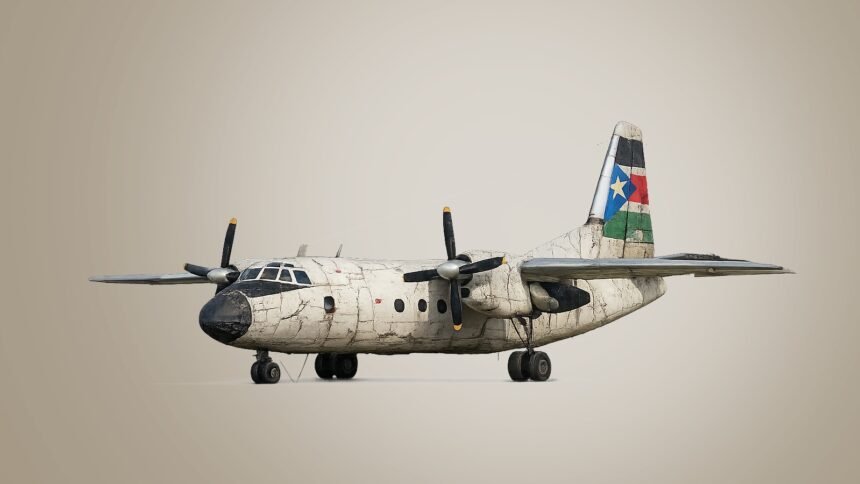
The aviation sector in South Sudan is a critical lifeline for a nation where road infrastructure is often decimated by seasonal flooding and protracted conflict. In many regions, air transport is the only viable method for moving humanitarian aid, commercial goods, and personnel. However, the sector is defined by a systemic infrastructure deficit, characterized by aging fleets, limited navigational aids, and a reliance on unpaved or poorly maintained airstrips. This environment places an immense burden on operators and pilots, who must navigate high-risk conditions with minimal technological support. The strategic importance of the sector to South Sudan’s survival is currently undermined by a lack of sustained investment in the institutional and physical foundations required for modern aviation.
Airplane Crashes in East Africa: The Persistence of Risk
East Africa has historically faced a higher frequency of aviation incidents compared to global averages, often involving small, turboprop aircraft operating in challenging environments. South Sudan, in particular, has a tragic history of domestic airplane crashes that point to persistent systemic risks. These incidents are frequently linked to a combination of mechanical failure, overloading, and the utilization of aircraft that have exceeded their standard operational life. The recurrence of these tragedies across the region highlights a specific vulnerability in the “bush pilot” model of aviation, where the necessity of transport often overrides the rigorous safety margins maintained in more developed aeronautical markets.
Safety & Protection: The Human Cost of Aeronautical Failure
The human cost of aeronautical failure in South Sudan is immense, affecting not only the victims and their families but also the broader humanitarian and economic networks that rely on these flights. Safety and protection in the aviation context require more than just post-crash investigations; they necessitate a proactive culture of risk mitigation that prioritizes life over operational expedience. Protecting passengers and crew in a high-risk environment requires the implementation of stringent pre-flight inspections, the modernization of communication systems, and the enforcement of weight limits. Without a fundamental shift toward a “safety-first” philosophy, the aviation sector will continue to be a source of national trauma rather than a driver of national development.
Regulations & Policies: The Challenge of Enforcement
While South Sudan possesses a Civil Aviation Authority (CAA) tasked with oversight, the challenge remains the effective enforcement of regulations and policies. Legislative frameworks designed to ensure airworthiness and pilot certification often encounter hurdles in a landscape where administrative capacity is limited. Regulatory oversight is frequently hampered by a lack of specialized personnel and the technical resources needed to conduct regular audits of domestic carriers. Strengthening the aviation sector in 2026 requires the government to move beyond the drafting of policies toward their rigorous implementation, ensuring that all operators, regardless of their size or mission, adhere to the minimum international safety standards set by the International Civil Aviation Organization (ICAO).
Recent Developments: The Tragedy Near Juba
The most significant and somber recent development in the sector occurred on April 27, 2026, when a Cessna 208 Caravan crashed southwest of the capital, Juba. The aircraft, operated by CityLink Aviation, was on a domestic flight from Yei when it lost communication and went down, resulting in the death of all 14 people on board. This incident has once again placed South Sudan’s aviation safety under intense international and domestic scrutiny. The crash serves as a stark reminder of the “fragile state of the skies” in the region. Reclaiming the future of South Sudan’s aviation requires an immediate and transparent investigation into this tragedy, followed by a radical overhaul of the country’s safety and regulatory infrastructure to ensure that such preventable losses of life do not become a permanent feature of the national landscape.