






Pan-African Echoes: Historical Foundations of New Year Revelry
Across Africa, the arrival of a new year has long been more than a calendar shift; it represents a profound renewal, intertwined with the continent’s rich historical tapestry. Rooted in ancient agricultural cycles, many African societies traditionally marked the new year with rituals aligned to harvests and seasonal changes, symbolizing abundance and rebirth. In regions like Ethiopia, where the calendar diverges from the global Gregorian system, the new year—known as Enkutatash—coincides with the end of the rainy season in September, a time of floral blooms and communal thanksgiving. This divergence highlights Africa’s enduring indigenous timekeeping, predating colonial influences that introduced January 1 as a standardized milestone.
The fusion of pre-colonial customs with modern observances creates a unique pan-African narrative. In West Africa, for instance, ancestral veneration often blends with contemporary festivities, where elders recount stories of resilience amid historical upheavals such as transatlantic migrations and independence struggles. Southern African traditions, influenced by diverse ethnic groups, incorporate elements of reflection on past adversities, transforming the new year into a beacon of collective progress. This historical context underscores how African New Year celebrations serve as bridges between eras, fostering a sense of continuity that binds communities through shared heritage and forward-looking optimism.
Rhythms of Renewal: Celebrations Spanning Time Zones and Traditions
Africa’s geographic sprawl, spanning six time zones from UTC-1 to UTC+4, ensures that the dawn of a new year unfolds in a staggered symphony of joy. The Seychelles and Mauritius, nestled in the Indian Ocean, are among the first to greet the sunrise of January 1, with pristine beaches hosting intimate gatherings under starlit skies. As the clock advances, East African nations like Kenya, Ethiopia, Tanzania, and Uganda join the chorus, where urban centers pulse with energy—Nairobi’s Uhuru Park becomes a hub of song and dance. At the same time, Addis Ababa’s streets echo with traditional drumming that invokes ancestral spirits.
Moving westward, South Africa, Zimbabwe, and Zambia ignite the night with spectacular displays; Cape Town’s waterfront fireworks reflect off Table Mountain, drawing crowds in a blend of modern spectacle and cultural homage. Central and West African countries, including Nigeria, Ghana, and Cameroon, follow suit, with Lagos’s “Detty December” extending into raucous street parties that celebrate the month’s end as a prelude to renewal. Finally, Cape Verde, off the Atlantic coast, closes the continental festivities, its islands alive with morna music and family feasts. This temporal diversity not only amplifies the continent’s vibrancy but also emphasizes unity, as shared digital moments connect distant kin in real-time expressions of hope.
Joyful Mosaic: Cultural Expressions of Happiness and Solidarity
At the heart of African new year observances lies an unyielding emphasis on joy, happiness, and unity, woven through rituals that affirm communal bonds. In Ghana, midnight church services transition into exuberant watch-night vigils, where hymns and prayers invoke blessings for prosperity, encapsulating a spiritual happiness that transcends material concerns. Nigerian celebrations, marked by rhythmic afrobeats and elaborate feasts of jollof rice and pounded yams, transform public spaces into arenas of collective euphoria, reinforcing family ties and neighborhood solidarity amid the year’s reflections.
Southern traditions, such as South Africa’s Tweede Nuwe Jaar—echoing historical emancipation—feature colorful carnivals with minstrel parades, promoting intergenerational unity through song and dance. Across North Africa, in Morocco and Algeria, the Amazigh new year (Yennayer) aligns with mid-January harvests and features couscous banquets symbolizing fertility and abundance, with laughter and storytelling that cultivate emotional warmth. These practices, infused with pan-African elements such as vibrant attire and communal bonfires, cultivate happiness by honoring diversity and forging unbreakable bonds, turning the new year into a testament to resilience and shared humanity.
Tourism Treasures: Premier Havens for New Year Wanderlust
Africa’s allure as a new year destination lies in its blend of natural wonders, cultural depth, and festive hospitality, drawing global visitors to leading countries renowned for their tourism prowess. South Africa tops the list, with Cape Town’s iconic fireworks and Johannesburg’s lively countdowns offering a mix of urban excitement and safari escapes in Kruger National Park. Kenya and Tanzania beckon with wildlife spectacles in the Maasai Mara and Serengeti, where new year safaris culminate in bonfire gatherings under acacia trees, blending adventure with cultural immersion.
Morocco’s ancient medinas in Marrakech come alive with lantern-lit souks and traditional music, attracting those seeking exotic charm. At the same time, Egypt’s Giza Pyramids provide a timeless backdrop for fireworks that illuminate pharaonic history. Namibia’s stark deserts and Botswana’s Okavango Delta offer serene alternatives, with eco-lodges hosting intimate celebrations amid untamed beauty. Rwanda and Ethiopia emerge as rising stars, their volcanic landscapes and coffee ceremonies providing authentic experiences that highlight sustainable tourism. These destinations not only boost economic vitality but also invite travelers to experience Africa’s vibrant spirit, creating memories rooted in cultural exchange and natural splendor.
Harmonious Horizons: Envisioning a United Future Through Festive Joy
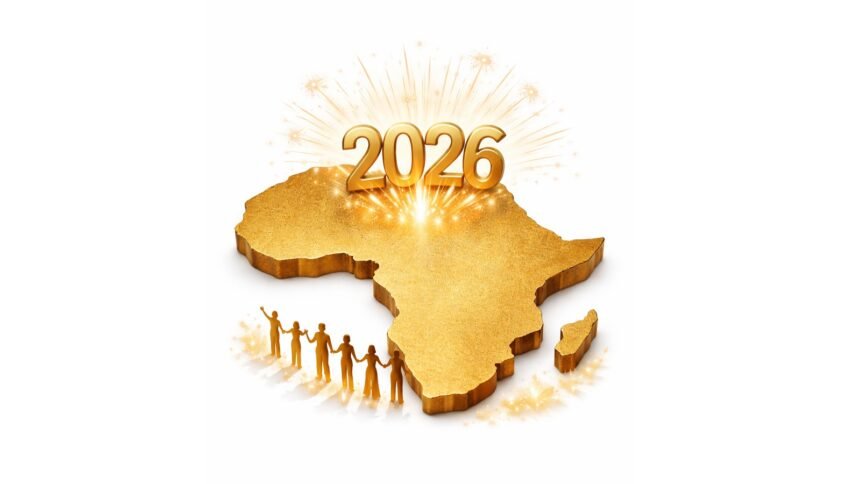
As Africa steps into 2026, the continent’s new year celebrations embody a powerful narrative of renewal, where history, culture, and communal joy converge to inspire unity. From the rhythmic beats of East African drums to the fiery displays over southern skies, these festivities transcend borders, reminding us of Africa’s capacity to harmonize diversity into strength. In an era of global challenges, such traditions offer a blueprint for happiness—grounded in shared meals, dances, and reflections that nurture solidarity and hope. Ultimately, Africa’s embrace of the new year illuminates a path forward, where pan-African bonds propel a continent toward brighter, more inclusive horizons.


