






Africa-US Dynamics: Forging Transactional Alliances
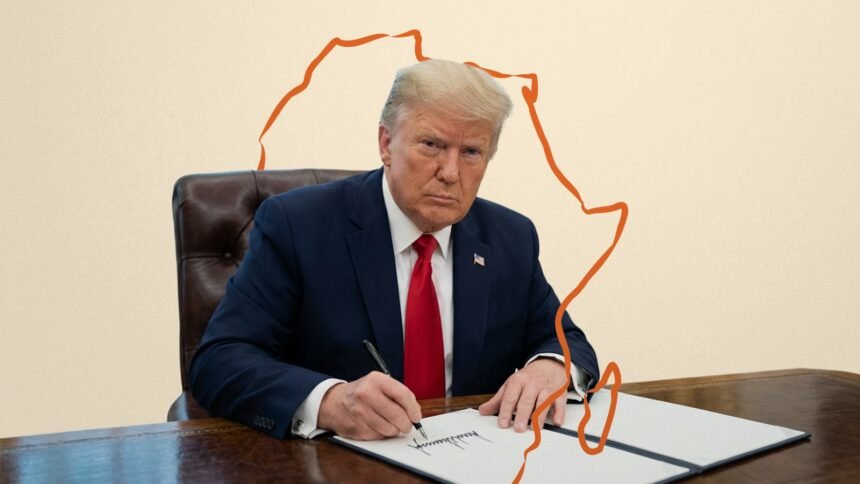
The interplay between the United States and Africa under the second Trump administration reflects a pragmatic shift, prioritizing swift negotiations over prolonged engagements. Rooted in a history of uneven partnerships, from colonial legacies to Cold War maneuvers, U.S. involvement has often oscillated between resource extraction and sporadic aid. In 2025, this dynamic evolves into a deal-centric model, in which high-stakes summits yield ceasefires in exchange for economic incentives, such as access to critical minerals vital to American industries. Trump’s “America First” approach positions Africa as a strategic arena to counter rivals such as China and Russia, which have deepened their presence through infrastructure investments and military pacts. Recent overtures, including the normalization of ties with Eritrea and brokered accords in the Democratic Republic of the Congo (DRC) and Rwanda, underscore this transactional ethos. Yet this framework places the onus for sustained stability on African shoulders, urging nations to capitalize on these opportunities while asserting sovereignty. By leveraging U.S. mediation to secure immediate halts in violence, African leaders can redirect their energies toward internal reforms, transforming external agreements into catalysts for self-determined progress.
Enduring Conflicts: Mapping Africa’s Turbulent Frontiers
Africa’s conflict zones in 2025 persist as complex tapestries of ethnic rivalries, resource disputes, and external interferences, claiming countless lives and stalling development across the continent. The eastern DRC remains a flashpoint, where over 120 armed groups vie for control of mineral-rich territories, displacing millions and fueling proxy wars involving support for the M23 rebels. This 30-year saga of violence, rooted in post-genocide spillovers from Rwanda, has seen intermittent escalations despite international interventions. In the Horn of Africa, the aftermath of Ethiopia’s Tigray conflict persists, with communal clashes in the Amhara and Oromia regions. At the same time, Eritrea’s isolationist stance is evolving amid U.S. overtures to promote stability in the Red Sea. Sudan’s civil strife between the Sudanese Armed Forces (SAF) and Rapid Support Forces (RSF) has triggered famine and mass displacement, exacerbating regional instability. The Sahel’s jihadist insurgencies in Mali, Burkina Faso, and Niger intertwine with coups and ethnic militias. At the same time, Somalia battles Al-Shabaab’s resurgence, and Mozambique’s Cabo Delgado faces ISIS-linked threats disrupting energy projects. These hybrid wars, amplified by climate-induced scarcities and poverty-driven recruitment, demand not just external pauses but deep-rooted resolutions. Trump’s interventions offer breathing room, yet the continent’s volatility underscores the need for African-led mechanisms to address underlying grievances.
Peace Talks: Harnessing Ceasefires Through Bold Bargains
Trump’s mediation style injects urgency into Africa’s stalled dialogues, exemplified by the historic DRC-Rwanda accord signed in Washington, halting decades of bloodshed in eastern Congo. This breakthrough, achieved amid ongoing skirmishes, mirrors Trump’s broader foreign policy of high-profile summits that yield rapid ceasefires, as seen in the Gaza and Ukraine negotiations. In the DRC-Rwanda case, leaders committed to ending violence and fostering cooperation, with U.S. incentives likely tied to mineral access, countering Chinese dominance. Similarly, overtures to Eritrea signal a reversal of prior sanctions and aim to foster partnerships for stability in the Horn of Africa. These talks, often led by envoys like Steve Witkoff and Jared Kushner, prioritize immediate halts over comprehensive frameworks, leaving implementation to local actors. While critics highlight the fragility of such deals—evident in past accords that have crumbled—African nations can strategically exploit this momentum. By entering negotiations with precise demands, leaders secure pauses that enable demobilization and humanitarian access, transforming Trump’s deal-making into launchpads for enduring talks under African Union (AU) auspices.
Pan African Resolve: Weaving Unity Amid Diversity
The ethos of Pan Africanism, born from liberation struggles and embodied in the African Union’s Agenda 2063, serves as a beacon for collective self-reliance in navigating external influences. Initiatives such as “Silencing the Guns” aim to end conflicts through regional mediation but face hurdles stemming from underfunding and divergent interests among major powers such as Nigeria, South Africa, and Egypt. In 2025, Trump’s episodic engagements amplify the urgency for unified fronts, as seen in AU-led responses to DRC-Rwanda tensions and Sudan’s crisis. By pooling diplomatic resources, African states can amplify their voices in U.S.-brokered negotiations, ensuring that agreements align with continental priorities. This resolve manifests in cross-border dialogues, women’s peace networks, and youth initiatives that bridge ethnic divides. Leveraging Trump’s ceasefires, the AU can convene follow-up summits to integrate indigenous knowledge systems, such as elder councils and restorative justice. Ultimately, Pan-African unity reframes external interventions as supplementary, empowering the continent to set the terms and foster interdependence that outlasts fleeting agreements.
Homegrown Solutions: Cultivating Indigenous Resilience
At the core of sustainable peace lies Africa’s capacity for endogenous innovation, which addresses root causes such as climate vulnerability and economic disparity through local ingenuity. In drought-stricken Sahel regions, community-led agroforestry projects combat desertification, reducing herder-farmer clashes by restoring pastures and creating jobs. Sudan’s famine response draws on traditional grain-sharing networks, while Mozambique’s youth cooperatives in Cabo Delgado offer alternatives to insurgency recruitment via vocational training. These solutions, amplified by AU and UN partnerships, emphasize inclusive governance—integrating women and marginalized groups into decision-making to heal social fractures. Trump’s deal-making provides critical pauses, allowing space for such initiatives to scale: post-ceasefire in DRC, local mineral cooperatives could ensure equitable resource sharing, curbing exploitation. By investing in education, infrastructure, and green technologies, African nations build resilience against the pull of poverty toward violence. This homegrown paradigm shifts dependence toward agency, in which external ceasefires catalyze internal transformations, fostering economies that prioritize people over plunder.
Foreign Policy Trajectories: Charting Autonomous Horizons
As Trump’s Africa policy unfolds, emphasizing quick wins over long-term commitments, the continent stands at a crossroads to redefine its global posture. The administration’s focus on countering adversaries through deals—like the DRC-Rwanda pact disrupting Chinese mineral monopolies—offers tactical advantages, yet risks superficial resolutions without follow-through. Future trajectories hinge on African proactive engagement: leveraging U.S. interest for technology transfers and debt relief while advancing AU-led peacekeeping. Eritrea’s warming ties exemplify potential pivots, stabilizing the Red Sea amid global trade threats. Challenges persist, from spoiler actors to climate-amplified crises, but opportunities abound in digital diplomacy and diaspora networks. By harnessing Trump’s transactionalism to secure ceasefires, African nations can pivot toward self-authored strategies that blend Pan-African solidarity with innovative solutions. This balanced approach ensures foreign policy serves continental aspirations, turning external sparks into sovereign flames that illuminate a prosperous, peaceful future.


