



Pan African Echoes: Ethiopia’s Trajectory in Continental Context
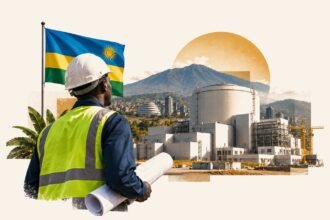
Within the Pan-African narrative of resilience and renewal, Ethiopia’s economic resurgence since the mid-2010s mirrors broader continental efforts to harness demographic dividends and resource potential. Yet, it starkly contrasts with the persistent poverty traps that afflict the region. As Africa’s second-most populous nation, Ethiopia’s push for double-digit growth aligns with Agenda 2063’s vision of structural transformation, which calls on nations to leverage agriculture and minerals to fuel industrialization. However, the continent’s average growth of 4 percent in 2026, as projected amid global uncertainties such as major power withdrawals from multilateral aid bodies, underscores disparities: East Africa’s 5.8 percent outpaces sub-Saharan Africa’s average, driven by Ethiopian reforms, but regional poverty rates nearing 40 percent highlight uneven benefits. Ethiopia’s story resonates with Pan-African challenges, climate shocks eroding harvests, debt burdens exceeding 70 percent of GDP in many states, and youth unemployment at 60 percent, fueling migrations. Yet bilateral ties, such as energy pacts with emerging partners, offer blueprints for self-reliance, potentially lifting 50 million people out of deprivation through integrated trade. This echo demands collective strategies: harmonizing policies to mitigate forex volatilities and conflict spillovers, transforming isolated booms into shared prosperity across borders.
Ethiopian Mosaic: Interwoven Progress and Persistent Strains
Ethiopia’s mosaic of economic revival post-2020 Tigray conflict weaves threads of ambitious reforms with enduring social strains, where growth projections clash with ground-level hardships. Under Prime Minister Abiy Ahmed’s tenure, the nation transitioned from state-led models to market liberalization, floating the birr and opening sectors like banking and real estate to foreign players. This mosaic, colored by a youthful population of 120 million, features urban hubs like Addis Ababa buzzing with telecom expansions and rural landscapes reliant on coffee and gold exports. Yet strains persist: inflation spikes from currency devaluation erodes purchasing power, while aid cuts from global disengagement deepen vulnerabilities. The decade’s narrative, averaging 8 percent growth amid wars and pandemics, reveals a nation at a crossroads: macroeconomic indicators soar, but human development lags, with 55 percent of the population facing multidimensional deprivations. This interplay demands nuanced views: Ethiopia’s pivot to Asian markets and renewable collaborations signals adaptive prowess, but without inclusive mechanisms, the mosaic risks fracturing along ethnic and regional lines.
Economic Expansion: Drivers of Double-Digit Aspirations
Economic expansion in Ethiopia has reclaimed momentum, with 2025-26 projections at 10.2 percent signaling a return to pre-conflict vigor, propelled by sectoral reforms and export surges. Agriculture, employing 70 percent, rebounded through enhanced inputs and market access, yielding coffee revenues doubling to 2.6 billion dollars despite trade barriers. Mining’s gold exports, which ballooned from 4 to 37 tons, accounted for 42 percent of earnings amid global price highs, cushioning forex shortages. Liberalization milestones, birr flotation devaluing by 30 percent while boosting competitiveness, drew foreign inflows, with energy pacts like hydroelectric joint ventures promising 20 gigawatts of capacity by 2030. Infrastructure leaps, including the Grand Renaissance Dam, underpin this drive, targeting 7 percent sustained growth to absorb a 2.5 percent population swell. Yet expansion’s fragility emerges: reliant on volatile commodities and IMF-mandated austerity, it risks stalling without diversified manufacturing, where the current 5 percent GDP share falls short of ambitions. This trajectory, while eclipsing regional peers, hinges on stabilizing inflation at 20 percent and harnessing renewables to power industrial parks.
Poverty and Indebtedness: The Shadow Side of Surge
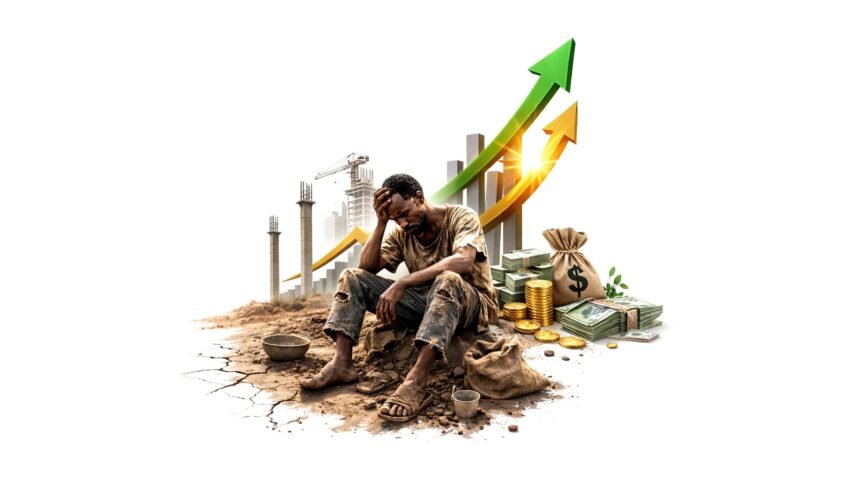
Poverty and indebtedness cast long shadows over Ethiopia’s surge, with rates climbing to 43 percent in 2025, reversing two decades of decline from 33 percent in 2016, amid inflationary pressures and unequal gains. Multidimensional metrics afflict 67 percent, encompassing nutrition deficits stunting 37 percent of children and education gaps leaving 40 percent out of secondary school. Rural households, 80 percent of the populace, bear the brunt: drought-prone harvests exacerbate food insecurity for 20 million, while urban inflation erodes wages in the informal sectors, which dominate 85 percent of jobs. Debt crises compound this: external obligations at 28 billion dollars, with restructurings yielding 3.5 billion in relief but stalling over bondholder disputes, diverting 20 percent of budgets from social nets. This shadow manifests in human costs, maternal mortality at 267 per 100,000 births, and youth joblessness fueling unrest, highlighting growth’s trickle-down failures. Indebtedness, post-default in 2023, necessitates hybrid solutions: blending IMF programs with domestic revenue hikes to 15 percent of GDP, lest poverty entrenches a lost generation.
Governance Turbulences: Instability Undermining Gains
Governance turbulences, rooted in ethnic conflicts and regional rivalries, undermine Ethiopia’s gains, where political instability since 2020 has eroded investor confidence and perpetuated poverty cycles. The Tigray war, costing 28 billion dollars and displacing millions, halted 11 percent pre-2020 growth, with lingering humanitarian needs for over a million in the north. Fresh skirmishes in Amhara and Oromia, alongside border frictions with Sudan and Eritrea, disrupt supply chains and agriculture, slashing outputs by 10 percent in affected zones. Alleged involvement in Sudan’s civil war, hosting training facilities, escalates geopolitical risks, potentially inviting sanctions amid Nile dam disputes with Egypt. This instability fosters a vicious loop: insecurity drives 30 percent inflation through disrupted markets, while poverty fuels grievances, with 60 percent youth unemployment breeding militancy. Governance reforms and decentralization bids aim to stabilize, but elite capture and corruption siphon resources, delaying debt resolutions. Turbulences thus threaten sustainability: without peace dividends, growth’s benefits bypass the vulnerable, risking reversals in human capital investments.
Progressive Pathways: Toward Inclusive Advancement
Progressive pathways for Ethiopia envision bridging growth with poverty alleviation through integrated development strategies that prioritize equity and resilience. Energy collaborations, like turbine joint productions, could generate 100,000 jobs, diversifying away from hydro-dependency toward renewables, powering 96 percent access by 2030. Agricultural modernization, via drought-resistant crops and value chains, promises to lift rural incomes, targeting 20 percent poverty reduction if exports stabilize. Debt management, with 8.4 billion restructurings, frees fiscal space for social spending: expanding health coverage to 90 percent and education to universal secondary. Political reconciliation, through inclusive dialogue, could unlock regional potential, fostering stability for AfCFTA integration and adding 50 billion to trade. Yet, pathways demand accountability: gender-inclusive policies to boost women’s participation to 65 percent, and youth skilling for digital economies. In this regard, Ethiopia’s model could inspire Pan-African progress, harnessing 7 percent growth to halve poverty by 2040 and transform surges into enduring equity.