






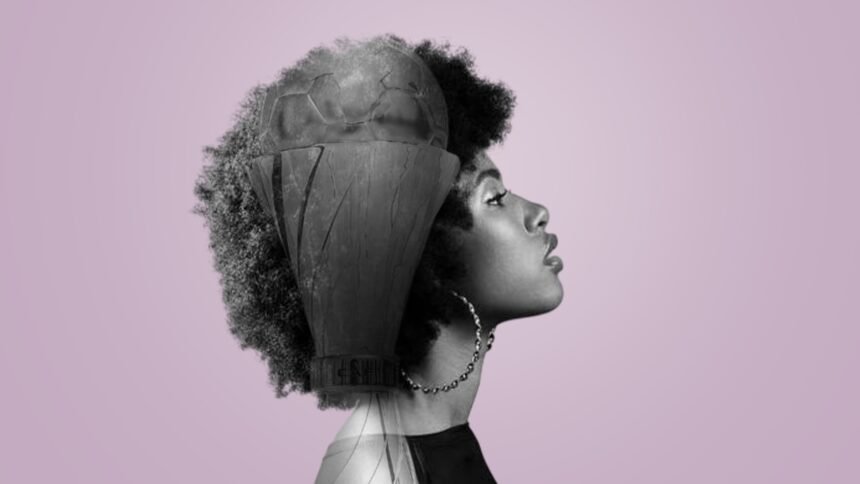
Pan-African Canvas: Tracing the Legacy to Today’s Tournament Horizon
Across Africa’s expansive sporting narrative, women’s football has evolved into a powerful emblem of unity and progress, with the Women’s Africa Cup of Nations standing as its crowning jewel. From humble beginnings in the 1990s, when Nigeria’s inaugural triumph in 1991 set a benchmark for excellence, the tournament has grown into a biennial spectacle that mirrors the continent’s diverse cultures and unyielding spirit. By the early 2000s, increased participation reflected broader efforts to advance gender inclusion, culminating in Morocco hosting consecutive editions in 2022, 2024, and now 2026—a testament to North Africa’s rising prominence in fostering Pan-African athletic bonds.
The 2026 iteration, slated for March 17 to April 3 in Morocco, marks a historic leap with an expansion to 16 teams, broadening the stage for emerging talents and intensifying rivalries. This follows the 2025 finals, where Nigeria secured their record-extending 10th title with a 2-1 victory over hosts Morocco, underscoring the Super Falcons’ enduring dominance. The decision to expand, announced by the Confederation of African Football in November 2025, aims to democratize opportunities, enabling nations such as debutants Malawi and Cape Verde to challenge established powers. After the qualifiers concluded, the lineup was finalized: Morocco (hosts), Algeria, Burkina Faso, Cameroon, Cape Verde, Côte d’Ivoire, Egypt, Ghana, Kenya, Malawi, Mali, Nigeria, Senegal, South Africa, Tanzania, and Zambia.
With the draw held on January 15 at the Mohammed VI Football Complex in Rabat, anticipation is high. Group A pits hosts Morocco against Algeria, Senegal, and Kenya in a blend of regional derbies and tactical intrigue. Group B features South Africa alongside the Ivory Coast, Burkina Faso, and Tanzania, promising gritty encounters. Nigeria headlines Group C with Zambia, Egypt, and Malawi, while Group D unites Ghana, Cameroon, Mali, and Cape Verde in a battle of West and Central African heavyweights. This setup not only serves as a continental qualifier for the 2027 Women’s World Cup in Brazil—granting direct spots to semi-finalists and playoffs for quarter-final losers—but also embodies Pan-African resilience, where football bridges divides and amplifies shared aspirations amid ongoing preparations.
Women’s Vanguard: Spotlight on Stars Shaping the Pitch
In the realm of African women’s football, individual brilliance illuminates the collective journey, with icons emerging as beacons of inspiration for the 2026 tournament. Nigeria’s Rasheedat Ajibade, captain of the Super Falcons, embodies leadership and flair; her pivotal role in the 2025 final victory, including a decisive goal, positions her as a linchpin for Group C’s challenges. Teammate Asisat Oshoala, a prolific scorer with global accolades, continues to mentor emerging talent while calling for diversified hosting to foster broader growth.
Zambia’s Barbra Banda, fresh from her explosive displays in international leagues, brings velocity and precision to the Copper Queens, eager to avenge their 5-0 thrashing by Nigeria in 2025. Her synergy with Racheal Kundananji promises fireworks in Group C. South Africa’s Thembi Kgatlana, a dynamic force for Banyana Banyana, leverages her speed and vision, drawing on Olympic experience to navigate the hurdles in Group B. Morocco’s Ghizlane Chebbak, a midfield maestro, will orchestrate the Atlas Lionesses’ home advantage, blending tactical elegance with national pride.
Emerging figures like Malawi’s Temwa Chawinga, a goal-scoring sensation in overseas clubs, add unpredictability for debutants, while Ghana’s Black Queens rely on veterans like Evelyn Badu for midfield control in Group D. These women transcend roles as athletes; they are advocates, challenging norms and inspiring youth across borders. In this Pan-African spotlight, their narratives fuel a tournament where personal triumphs propel continental harmony, setting the stage for memorable clashes as squads finalize rosters and training intensifies.
AFCON’s Leading Lights: Nations Poised for Glory in Group Battles
The 2026 WAFCON’s group configurations reveal a constellation of frontrunners and underdogs, each nation channeling unique strengths into the continental fray. Nigeria, as defending champions with a storied legacy, anchors Group C, their tactical depth and attacking prowess tested against Zambia’s resurgence, Egypt’s defensive solidity, and Malawi’s debutant zeal. The Super Falcons’ schedule—opening against Malawi on March 18 in Casablanca’s Larbi Zaouli Stadium, followed by Zambia on March 21 and Egypt on March 24—positions them as favorites to advance, building on their unassailable record.
Hosts Morocco, in Group A, harness home fervor at Rabat’s Moulay Hassan Stadium, facing Algeria in a charged North African derby, alongside Senegal’s physicality and Kenya’s youthful energy. Matches commence with Morocco versus Kenya on March 17, promising an electric opener. South Africa, the continent’s second powerhouse and 2022 winners, dominates Group B at Rabat’s Al Madina Stadium, confronting the Ivory Coast’s organization, Burkina Faso’s grit, and Tanzania’s counter-attacking flair—fixtures that could redefine Southern African hierarchies.
Group D’s Ghana, with its historic pedigree, clashes with Cameroon’s Indomitable Lionesses, Mali’s emerging talent, and Cape Verde’s island tenacity in Fes, offering a stage for West African dominance. This array fosters Pan-African dynamism: established nations like Nigeria and South Africa inspire emulation. At the same time, newcomers inject vitality, narrowing gaps as federations ramp up preparations with friendly matches and strategic camps.
Football’s Fertile Ground: Investments Nurturing Tournament Readiness
Sustaining the momentum of African women’s football requires strategic infusions, and the 2026 WAFCON exemplifies this through targeted developments. The Confederation of African Football’s expansion initiative, backed by FIFA Forward funding exceeding $1 billion across the continent, has upgraded venues such as Casablanca’s Larbi Zaouli and Rabat’s stadiums, ensuring world-class facilities for the 16-team format. Morocco’s royal patronage has accelerated infrastructure development, with modernized pitches and training complexes ready to host the event.
Corporate alliances bolster this foundation: TotalEnergies’ sponsorship elevates visibility, while local partnerships in Nigeria and South Africa fund youth academies and player stipends. Prize money escalations incentivize performance, with winners eyeing substantial rewards to fuel domestic leagues. Yet equity remains key; peripheral nations like Cape Verde benefit from modest grants for travel and kits, helping bridge disparities as Pan-African collaborations promote sustainable growth. These investments transform the tournament into a catalyst, where financial commitments intertwine with athletic ambition, priming teams for a seamless execution amid ongoing logistical fine-tuning.
Sports Synergy: Collaborative Drives for Gender Equity in Action
United Nations and African Union partnerships harmonize efforts to embed gender equality within the WAFCON framework, elevating women’s football as a tool for societal advancement. Agenda 2063’s emphasis on inclusive sports aligns with UN Women’s initiatives, channeling resources into programs that empower over 5,000 girls through soccer-based education across participating nations. Summits in Addis Ababa and Rabat enforce quotas for female coaches and officials, fostering leadership parity.
These synergies manifest in anti-discrimination campaigns that address barriers such as access in rural areas, while metrics track progress toward 30% female representation in federations. For 2026, joint efforts amplify visibility, with broadcast expansions reaching Pan-African audiences and promoting health dialogues on the sidelines. This collaborative orchestra ensures the tournament resonates beyond the pitch, creating a legacy in which women’s sports drive continental equity and unity.
Navigating Pitch Perils: Challenges Amid Pre-Tournament Momentum
Even as excitement builds, the 2026 WAFCON confronts hurdles that test organizational resolve. Logistical strains from the rapid expansion and back-to-back hosting in Morocco have sparked debates on rotation, with voices such as Asisat Oshoala advocating for diversified venues to spur broader development. Funding imbalances persist, with elite teams enjoying robust support while debutants grapple with resource shortages for pre-tournament camps.
Societal biases linger, manifesting in media undercoverage and cultural resistance in conservative regions, compounded by infrastructure gaps in non-host nations. Yet these perils spur innovation: federations respond with advocacy campaigns and digital platforms to boost engagement. In this Pan-African crucible, challenges become opportunities, strengthening the tournament’s fabric as stakeholders unite to ensure a flawless rollout.
Pan-African Pitch Prospects: Envisioning Triumphs Ahead
As the 2026 WAFCON approaches, Africa’s women’s football landscape brims with promise, the draw igniting pathways to glory. With semi-final berths securing World Cup tickets, powerhouses like Nigeria aim to maintain supremacy, while hosts Morocco leverage familiarity for a breakthrough. Youth integrations and diaspora returns enrich squads, targeting 60 million female players across the continent by 2027.
Broadcast surges and fan mobilizations are forecast to drive record attendance, transforming venues into vibrant hubs. Challenges notwithstanding, this edition pledges a Pan-African renaissance—where every matchup echoes resilience, propelling the sport toward a future of dominance and inspiration.


