



Pan-African Perspectives: The Continental Ripple of Middle Eastern Conflict
The economic architecture of Africa remains deeply sensitive to geopolitical shifts in the Middle East. As regional instability in the Gulf intensifies, the narrative of “African agency” is tested by the reality of global supply chain dependencies. For the East African Community, the current conflict is not a distant concern but a direct threat to the regional integration and economic sovereignty envisioned in Agenda 2063. The ability of anchor economies like Kenya to withstand these shocks is increasingly viewed as a litmus test for the continent’s collective resilience in an era of polycrisis.
Kenya’s Economic Outlook: Balancing Growth and Vulnerability
Kenya entered 2026 with a strategy focused on fiscal consolidation and the expansion of its digital and green economies. However, this outlook has been aggressively recalibrated in the wake of escalating regional hostilities. While the nation remains a leading financial hub in sub-Saharan Africa, its internal stability is precariously tethered to international commodity prices. The government now faces a dual challenge: maintaining the momentum of its long-term development projects while simultaneously absorbing the immediate shocks of a global energy crisis that threatens to undermine its hard-won macroeconomic gains.
Iran War’s Economic Shock: The Scramble for Essential Commodities
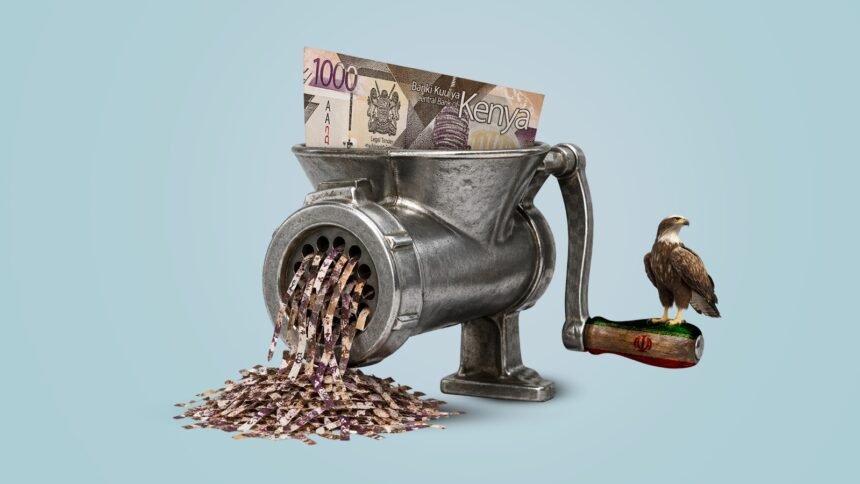
The outbreak of war in Iran has unleashed a systemic shock across East African markets, primarily transmitted through the channel of energy imports. Kenya, which is heavily reliant on foreign fuel to power its manufacturing and transport sectors, is currently scrambling to stave off severe shortages of essential commodities. At fueling stations in Nairobi, long queues have become a visible symbol of this disruption. The war has not only increased the direct cost of petrol and diesel. Still, it has also spiked the “cost of living” by driving up electricity and transport prices, creating a ripple effect that touches every segment of the domestic economy.
World Bank Funds: The Request for a Fiscal Cushion
In a direct response to these mounting pressures, Kenya has formally requested rapid financial support from the World Bank. The Central Bank of Kenya confirmed in April 2026 that it is seeking specialized funds to cushion the economy against the “Iran war shock.” This request is designed to provide immediate liquidity to manage the rising cost of imports and to stabilize the Kenyan shilling, which has faced significant pressure as foreign exchange reserves are diverted to cover the surge in energy expenses. This move underscores the urgency of the situation, as the government seeks to prevent a temporary supply shock from turning into a long-term fiscal crisis.
IMF Loans: The Shadow of Transparency and Reform
While the World Bank request focuses on immediate shock absorption, Kenya’s broader financial health remains inextricably linked to its ongoing relationship with the International Monetary Fund (IMF). The discovery of undisclosed debt elsewhere in the region has heightened the IMF’s focus on transparency and structural reforms. For Kenya, navigating the current war-induced crisis means maintaining a delicate balance: securing emergency liquidity while adhering to the rigorous fiscal discipline and “debt management” protocols required by the Fund. Access to these loans is contingent on a credible roadmap for long-term recovery that can withstand the current period of extreme volatility.
World Bank vs. AfDB: Strategic Partnerships in Crisis
The current crisis has highlighted the different roles played by multilateral lenders. While the World Bank provides the large-scale, rapid-response financing required for macro-economic stabilization, the African Development Bank (AfDB) remains a critical partner for the structural “resilience” projects needed for long-term energy independence. Kenya’s strategy involves leveraging the World Bank for immediate fiscal relief while continuing to work with the AfDB on diversifying its energy mix toward geothermal and wind power. This multi-pronged approach allows the nation to address the “now” of the Iran war while preparing for the “next” of the global energy transition.
Resilience & Survival: Adapting to the Two-Year Recovery Horizon
International energy analysts predict that the loss of energy output in the Middle East will take at least 2 years to recover fully. This timeline forces Kenya into a period of prolonged economic survival. Resilience in this context means more than just surviving the next fiscal quarter; it requires a fundamental shift in how the nation manages its resources. From implementing “green tax” measures on high-emission vehicles to accelerating the adoption of electric mass transit, the survival of the Kenyan economy now depends on its ability to decouple its development from the volatility of the global oil market.
Development: Safeguarding the Future Amidst the Storm
The ultimate objective of securing World Bank funds is to ensure that Kenya’s national development agenda does not become a casualty of a foreign war. The funds are intended to protect social safety nets and maintain the financing of critical infrastructure vital to long-term prosperity. In a world where “death is certain” for static economies, Kenya’s proactive engagement with global financial institutions represents a calculated effort to safeguard its future. By securing this fiscal cushion, the nation aims to emerge from the shadow of the Iran war not just as a survivor, but as a more resilient and self-sufficient leader in the East African landscape.